If you’re thinking about welcoming a cat into your home, I encourage you to visit your local animal shelters and rescue organizations.
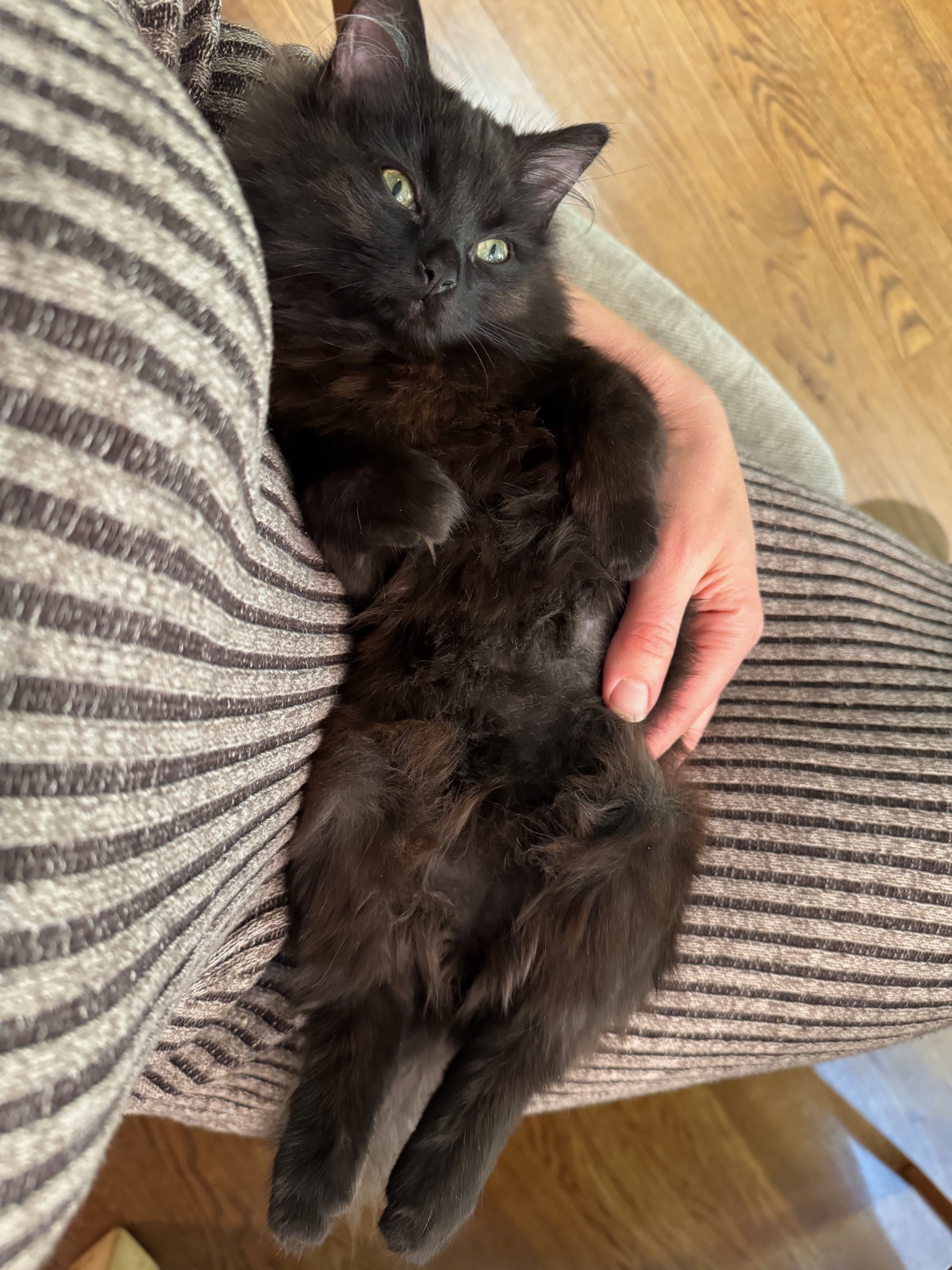
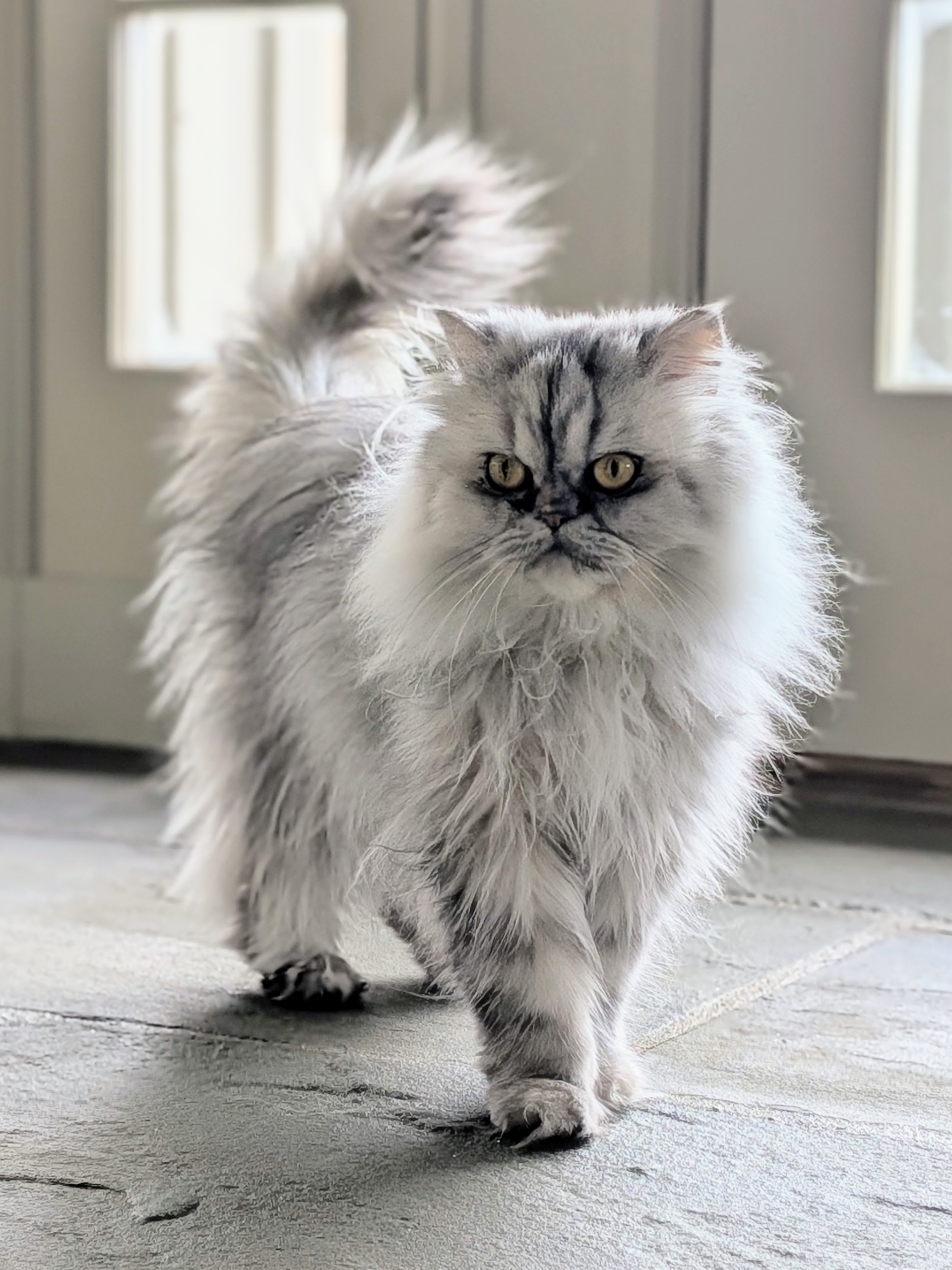
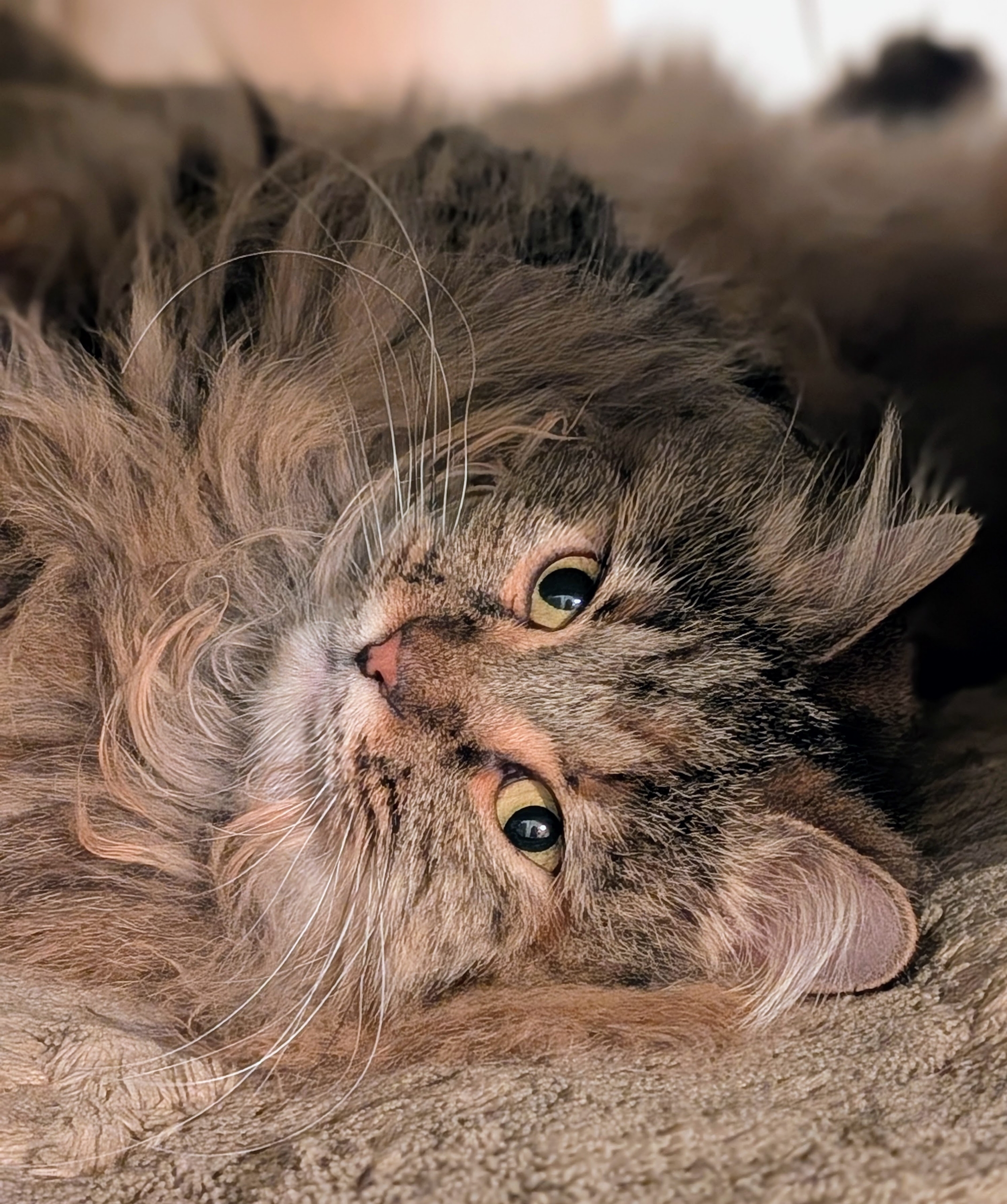
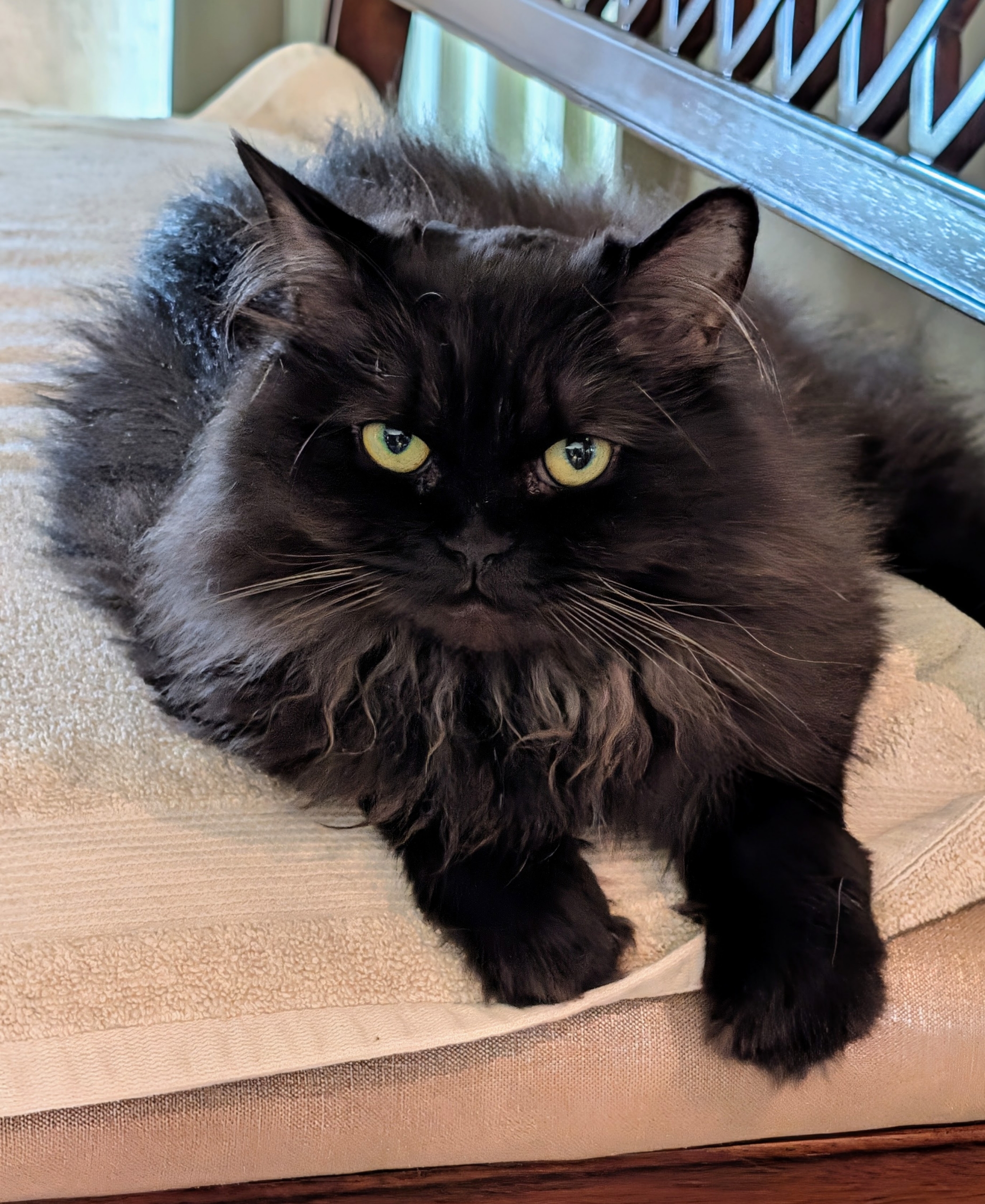
Last year, I welcomed four beautiful Persian cats to my farm, three of whom were adopted through Rock ’N Rescue, a 501(c)(3) nonprofit based in nearby Bedford Hills, New York. They all live in my Winter House: Magnolia, my silver shaded Persian; Dahlia, my dilute calico Persian; Lilium, my brown Persian longhair; and Chrysanthemum, my chocolate Persian. Rock ’N Rescue facilitates approximately 2,000 adoptions each year, with September through December being its busiest season. In fact, my niece Sophie Herbert Slater recently adopted two kittens for her family. But the organization’s work extends even further. Guided by its mission to “rescue cats to rescue people,” Rock ’N Rescue offers personalized, carefully matched adoptions, cat wellness initiatives, educational programs, help hotlines, and outreach efforts that include cat therapy for people of all ages. This weekend, the organization also held a large adoption event to help place dozens of kittens in loving homes.
Enjoy these photos, and if you’d like to learn more about Rock ’N Rescue, make a donation, or adopt a pet, visit https://rnrpets.org.
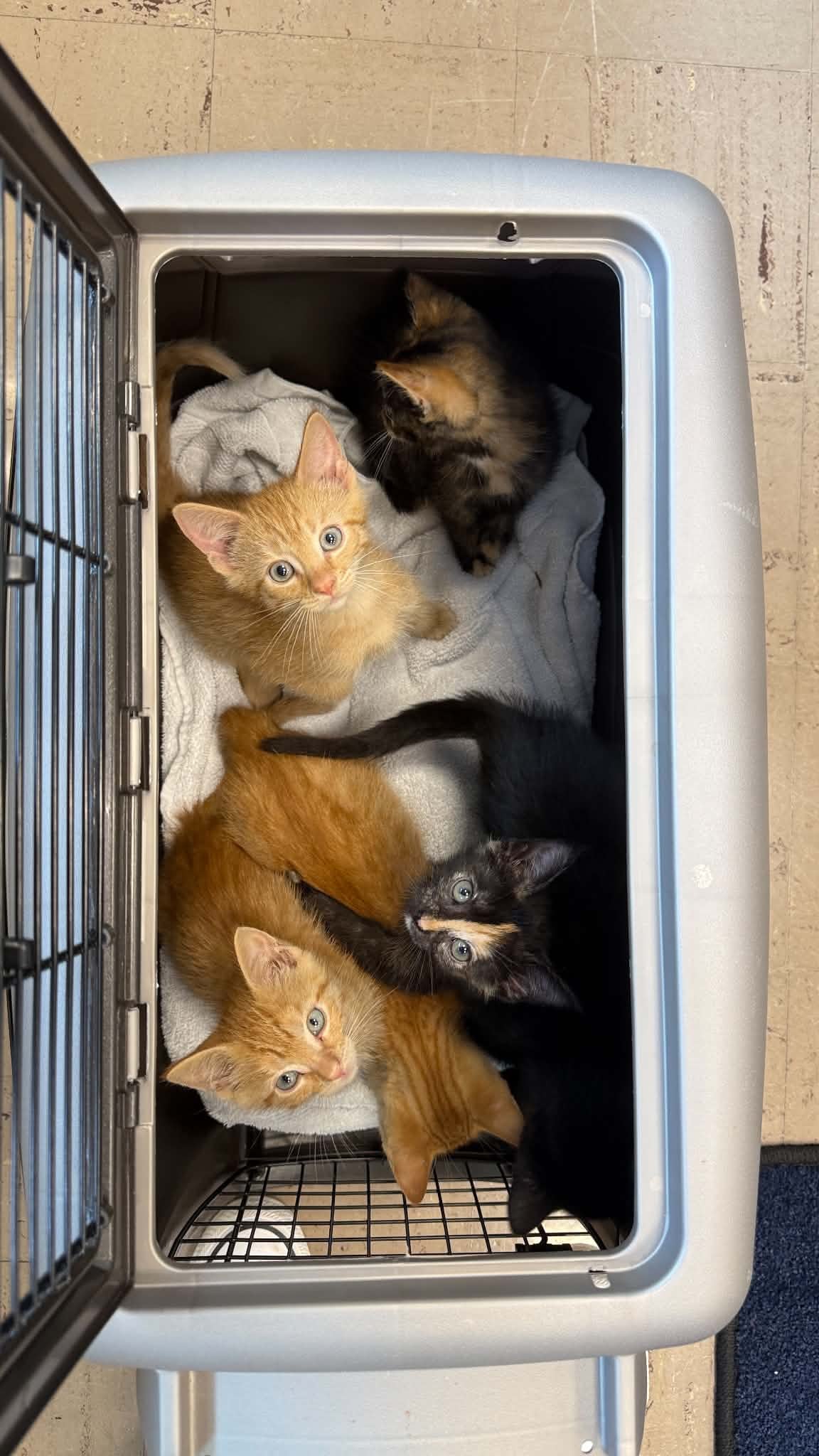
Many of the kittens at the weekend adoption event came from another state and were driven up to New York earlier that morning. These kittens are less than four months old, and at such a young age Rock N’ Rescue requires they be adopted out with at least one other kitten or cat, to prevent behavioral issues later.
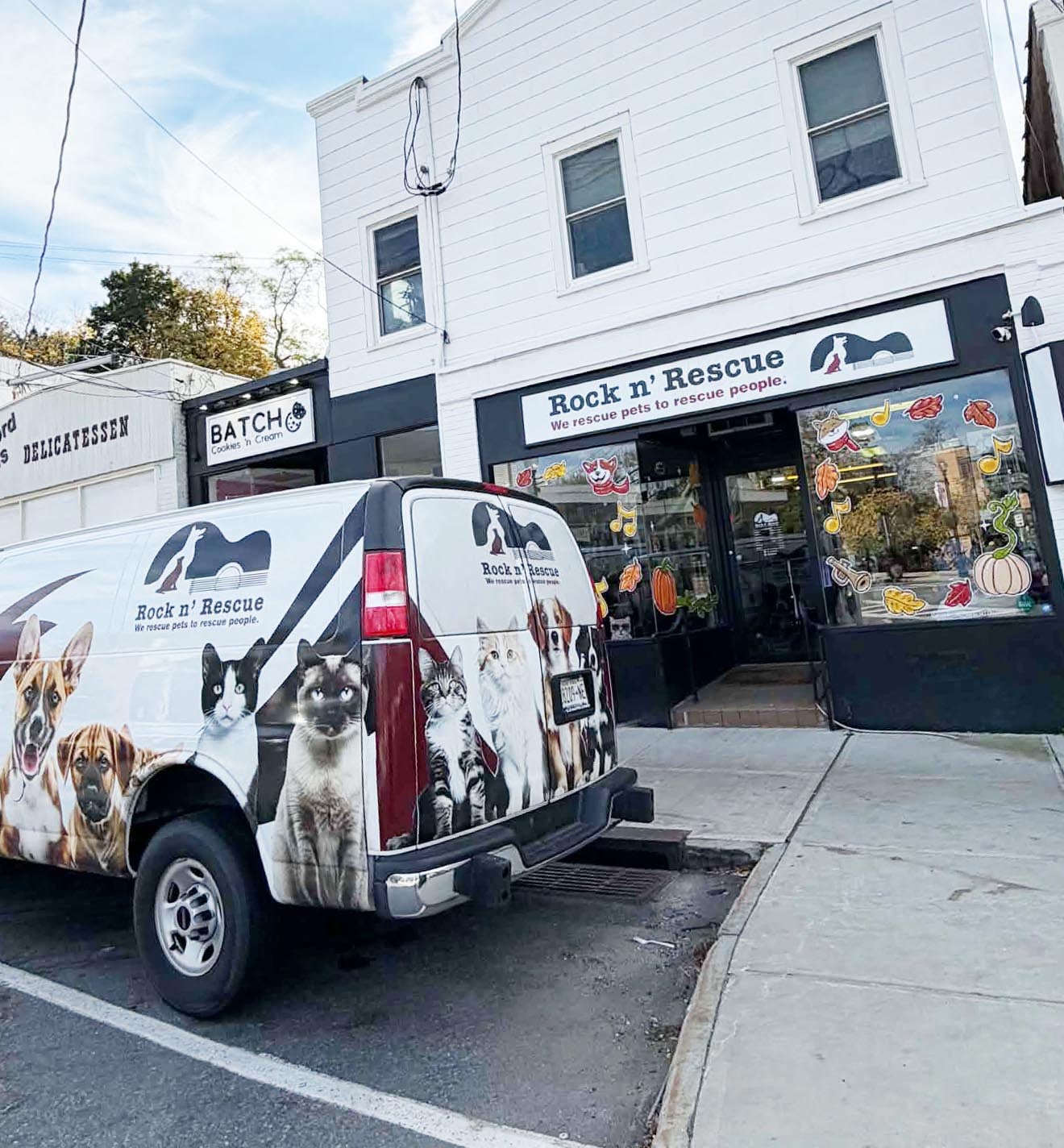
The adoption event was held at the organization’s main location in Bedford, Hills, New York.
Here is the founder of Rock N’ Rescue, Juli Cialone, and co-founder of the therapy program, Marla Valentine. Marla, who is a licensed social worker, spearheaded the cat therapy project and it’s doing wonderfully.
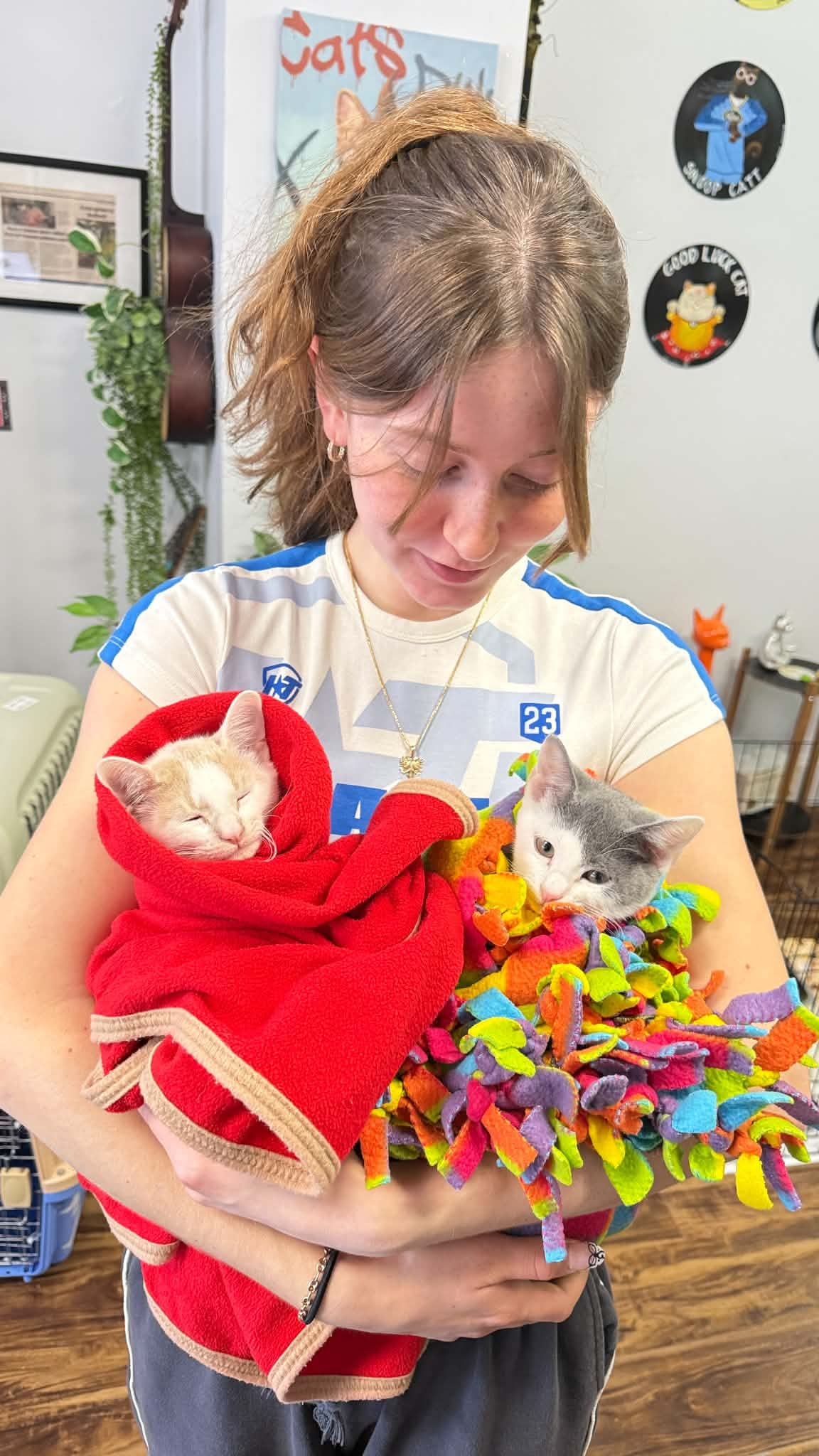
Volunteer Ella helps keep the kittens comfortable and calm during the event.
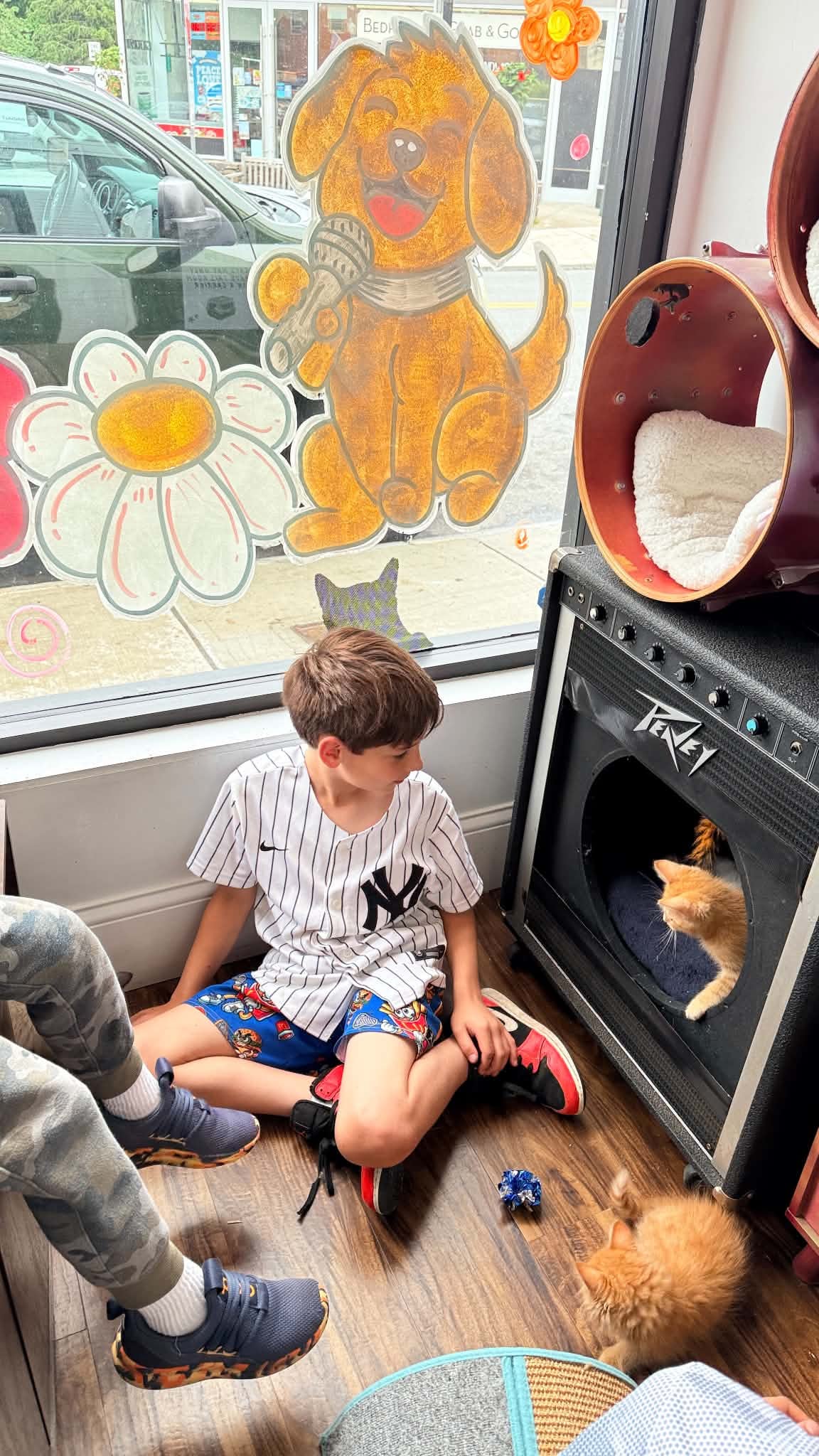
Children and their families who visited were able to spend time with prospective adoptees in enclosed and quiet rooms.
Kittens are full of energy and will need to climb, chew, and play. When adopting, be sure the home is prepared with a few cat supplies, such as cat trees, beds, and toys for mental stimulation.
Adult cats are also available. Juli personally matches all the kittens and cats with their new families. She makes it a priority to learn each cat’s personality and temperament before placement.
Audrey Abell is Rock N’ Rescue’s adoption coordinator and cat room manager. She began as a volunteer and foster in 2025, and over time has cared for more than 100 cats through fostering. Here she is with one of the kittens at the event.
Crystal Pagan is the animal care coordinator and resident veterinary technician. She oversees the health, treatment, and daily management of the animals in rescue.
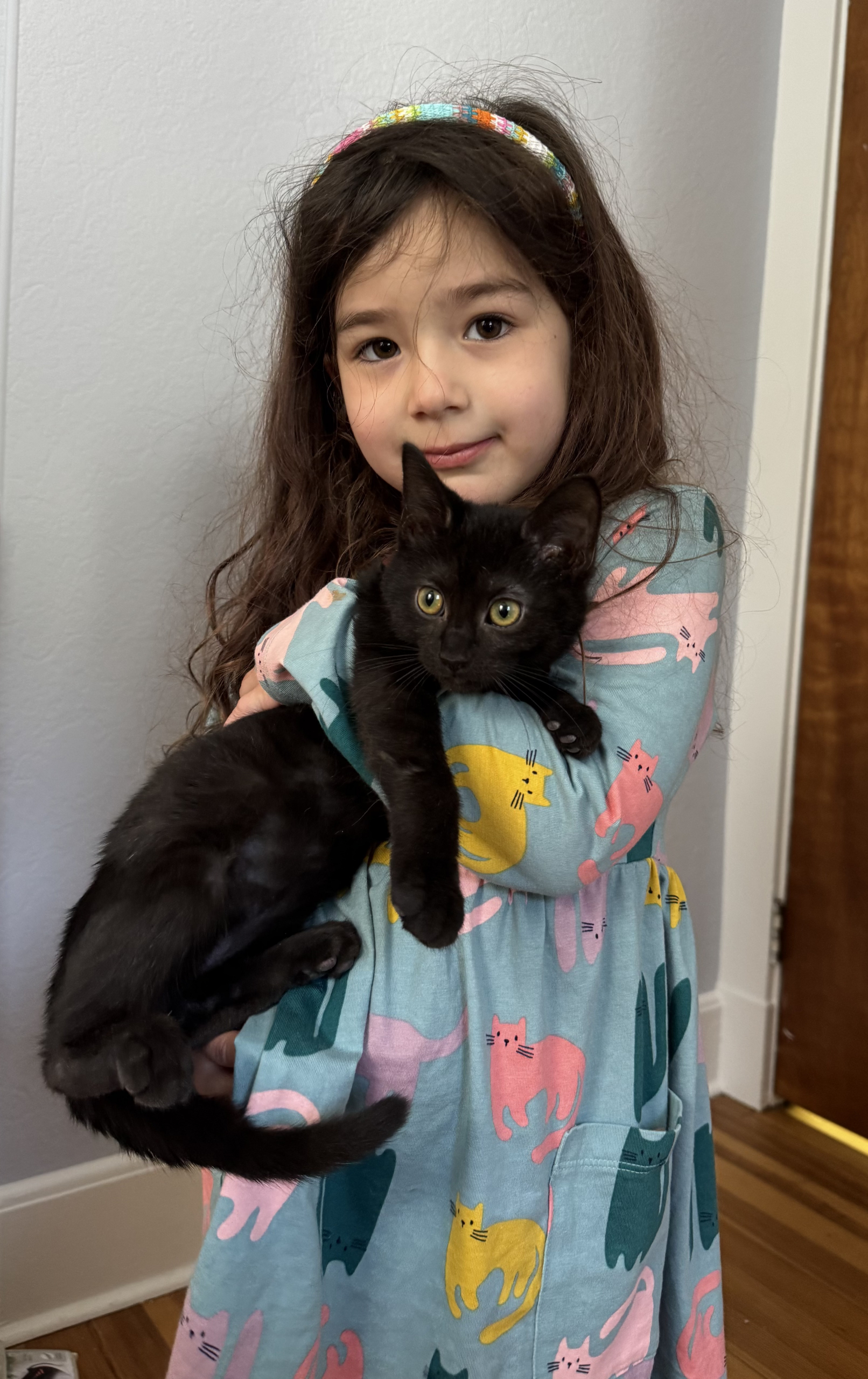
Many kittens were placed in loving homes this weekend. Here is a happy adopter with her new friend.
Kathleen Birmingham is foster director in charge of working with hundreds of foster families, coordinating animal care while also ensuring proper placement for new arrivals. Here she is showing off two more adoptees.
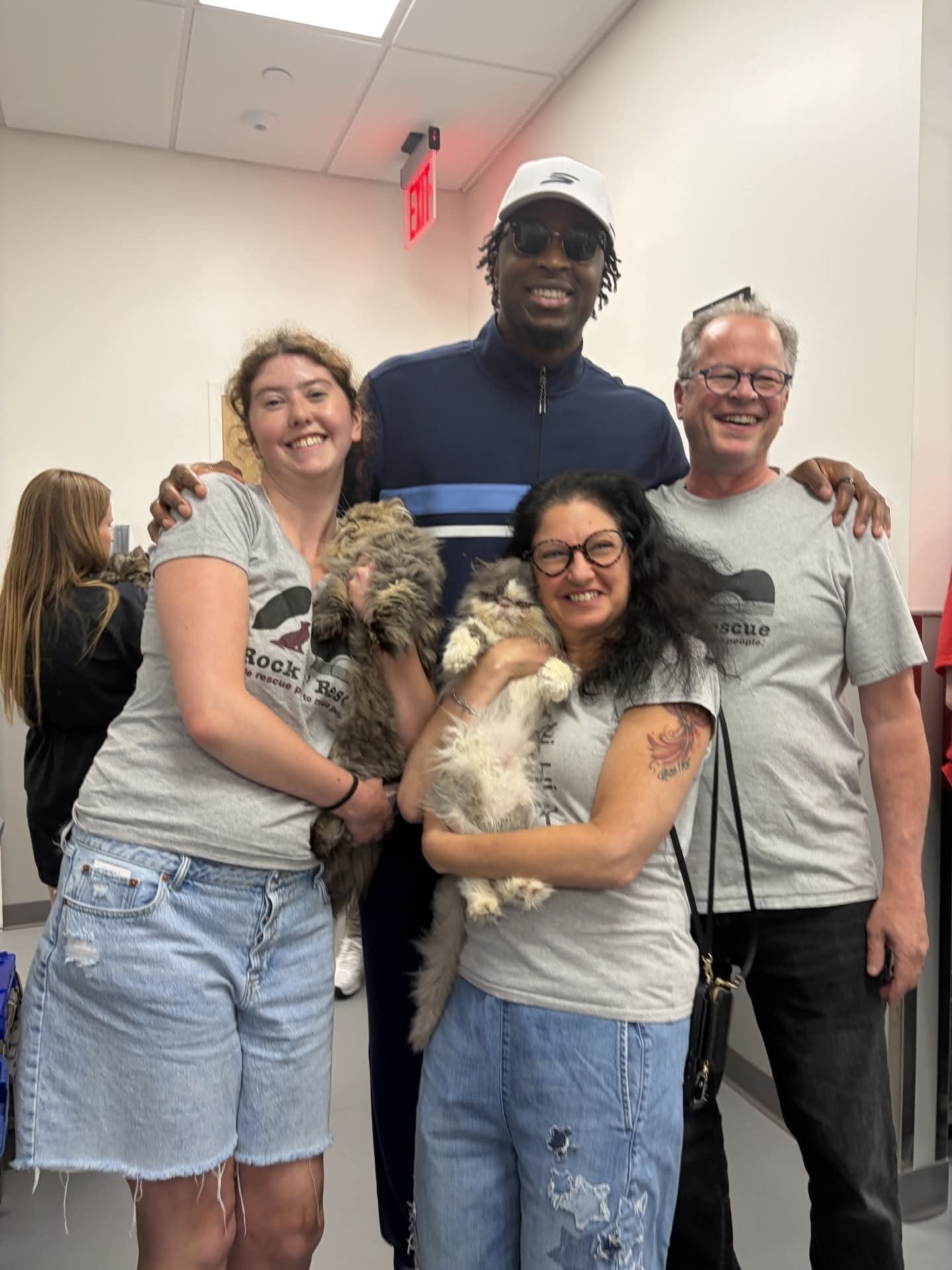
Here is Juli with Kathleen, Rock N’ Rescue COO James Scova, and volunteer, Og Anunoby. It was a successful day for the entire staff and so many of the kittens who went home that day.
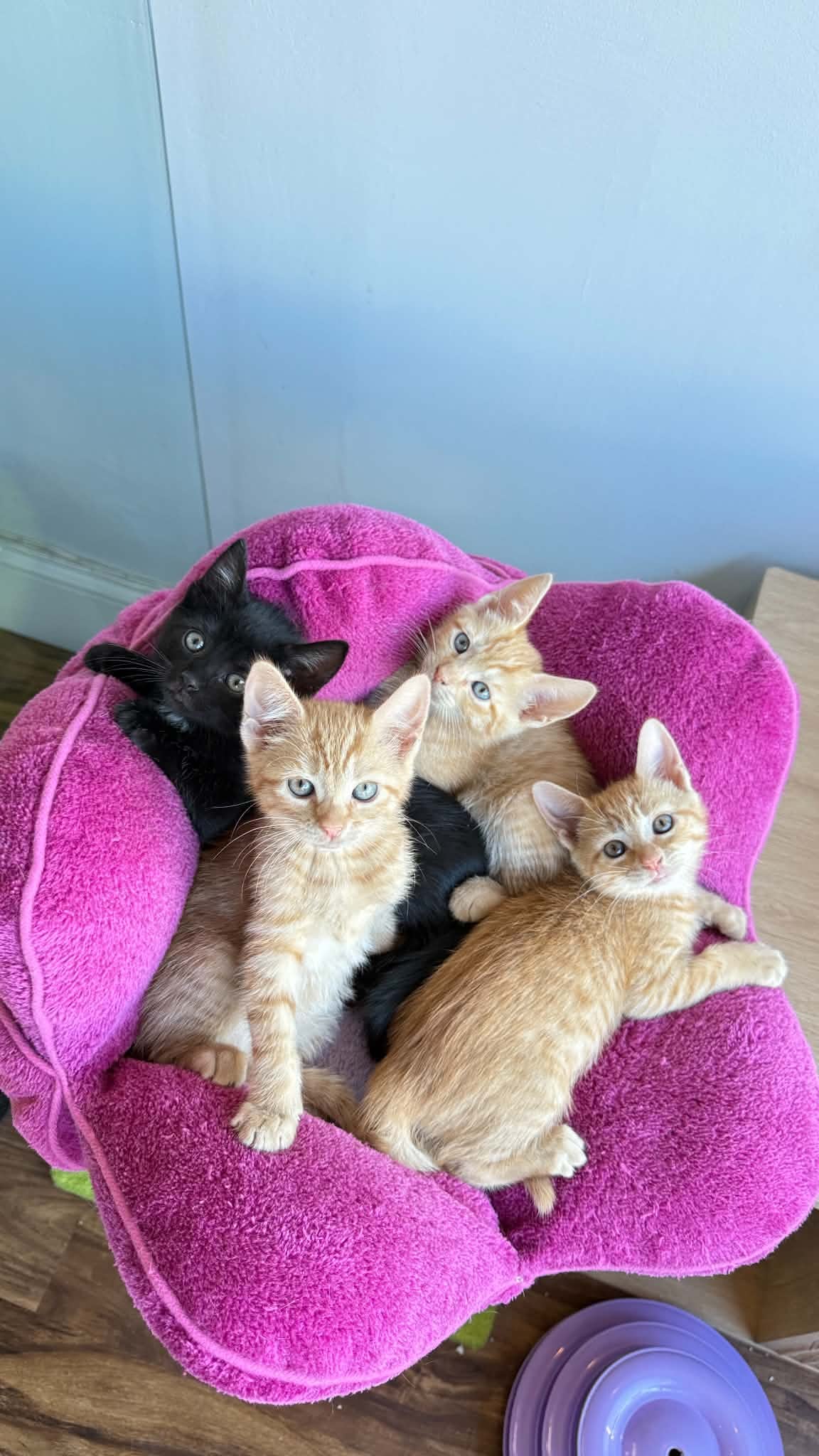
These kittens are well socialized and are being used as therapy cats until they are adopted.
Here’s another happy adopter. Sophie’s friend’s adopted two male kittens.
These cats are currently in loving foster homes waiting for adoption. If you’re thinking about getting a cat to share your home, go to https://rnrpets.org and get pre-approved.
Sophie shares my love for cats. As a licensed professional counselor and registered art therapist, she understands the healing effects of pet therapy in her work. She was so impressed with Rock N’ Rescue’s mission, she joined its executive board soon after adopting Veera and Poly.
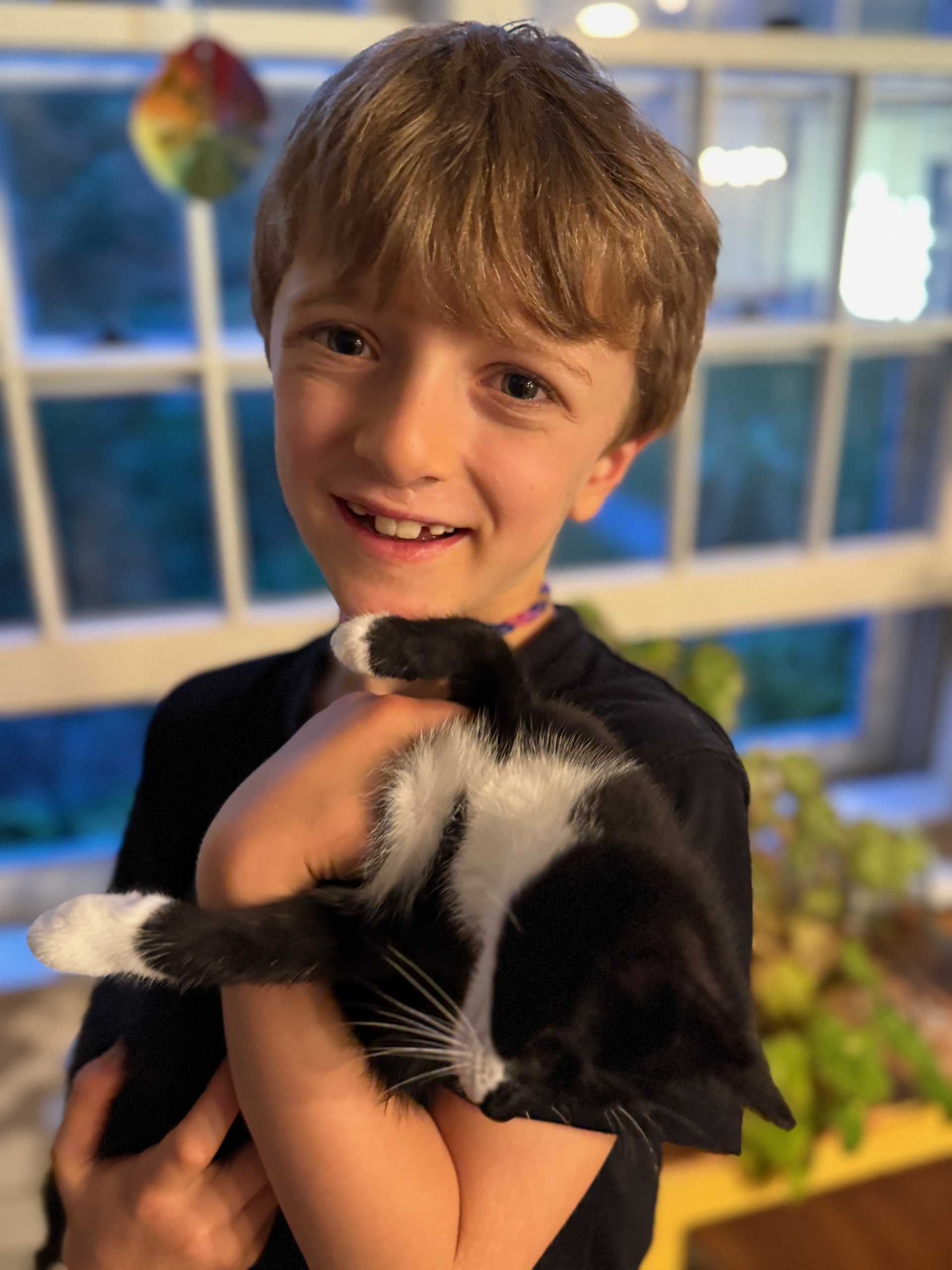
Here is Sophie’s son, Felix, with “Poly,” short for Polyhedron, or a figure with many faces.
All of Poly’s faces are irresistible.
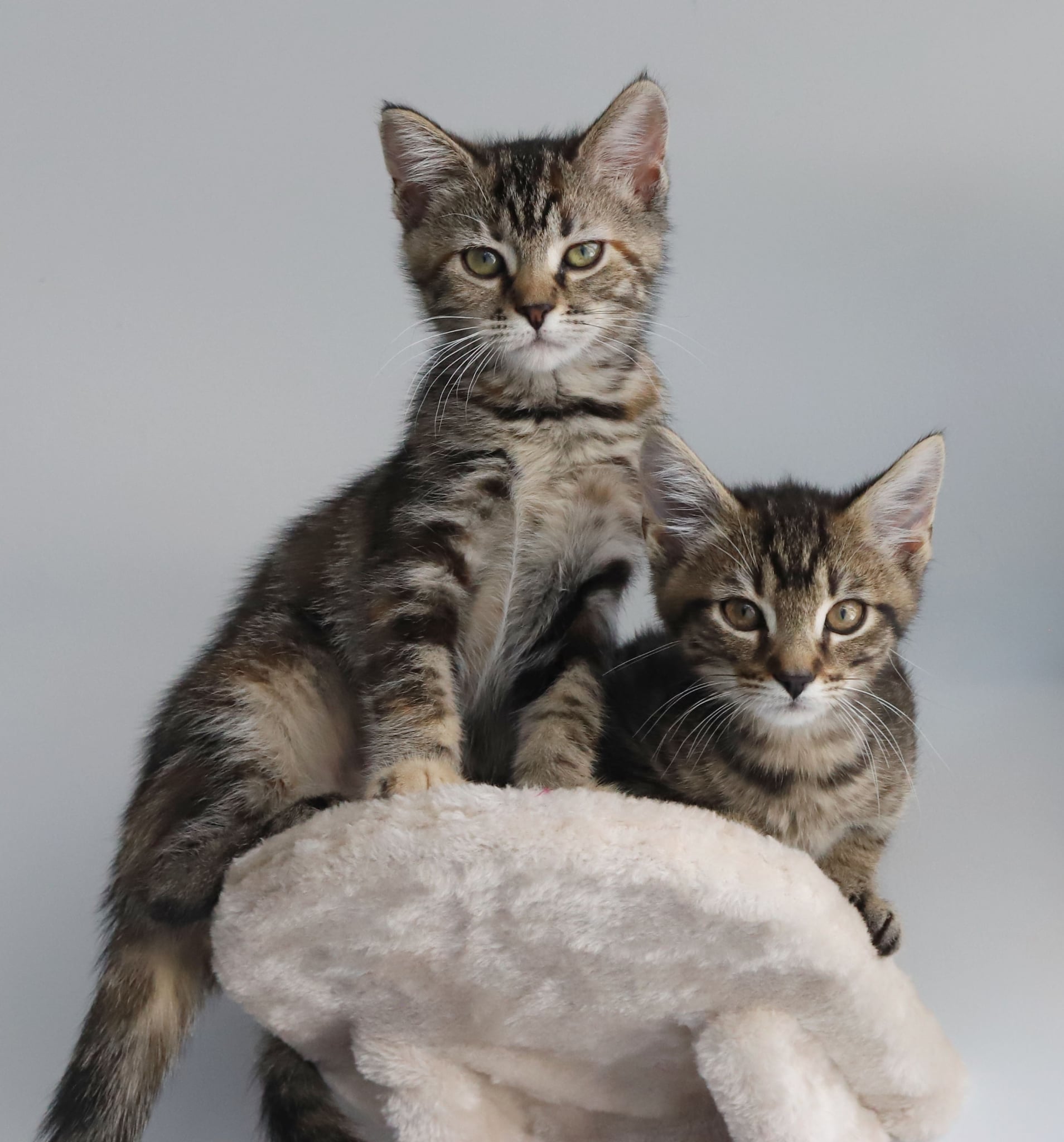
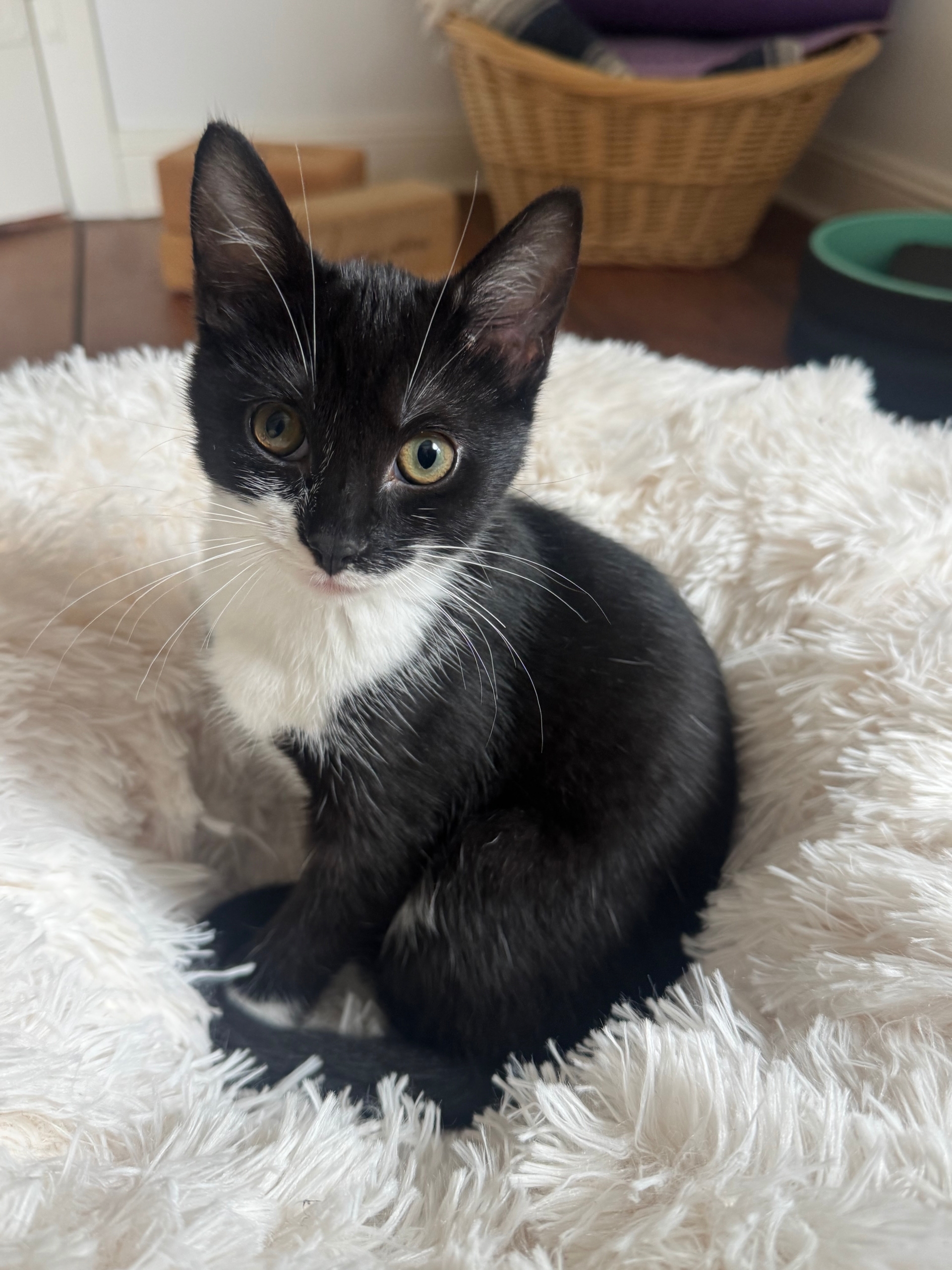
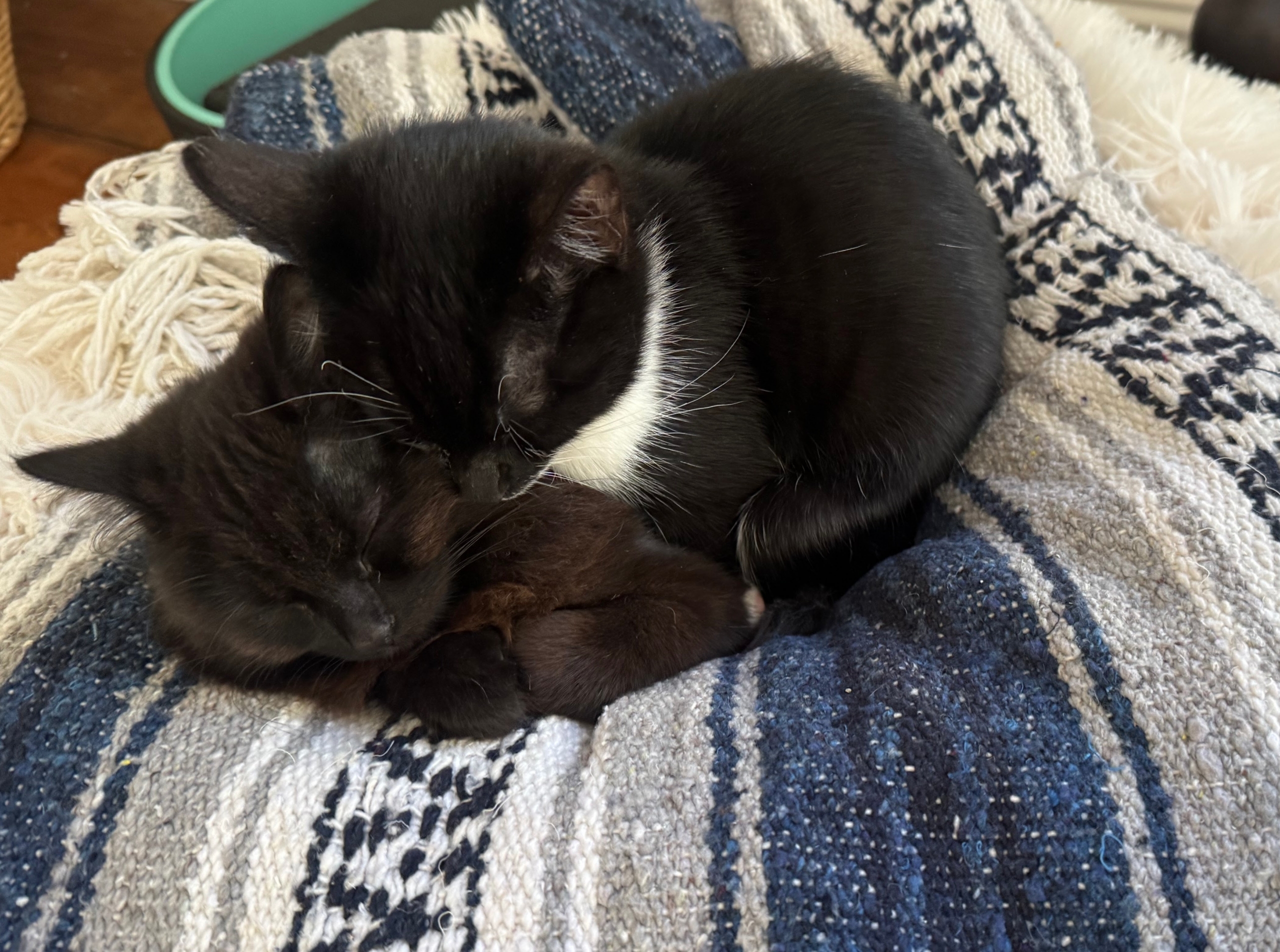
While they are not from the same litter, kittens quickly create bonds. Both Veera and Poly were brought up from the south last month, bottle-fed, and fostered before going home with Sophie. Her family says they are the sweetest and most affectionate kittens.
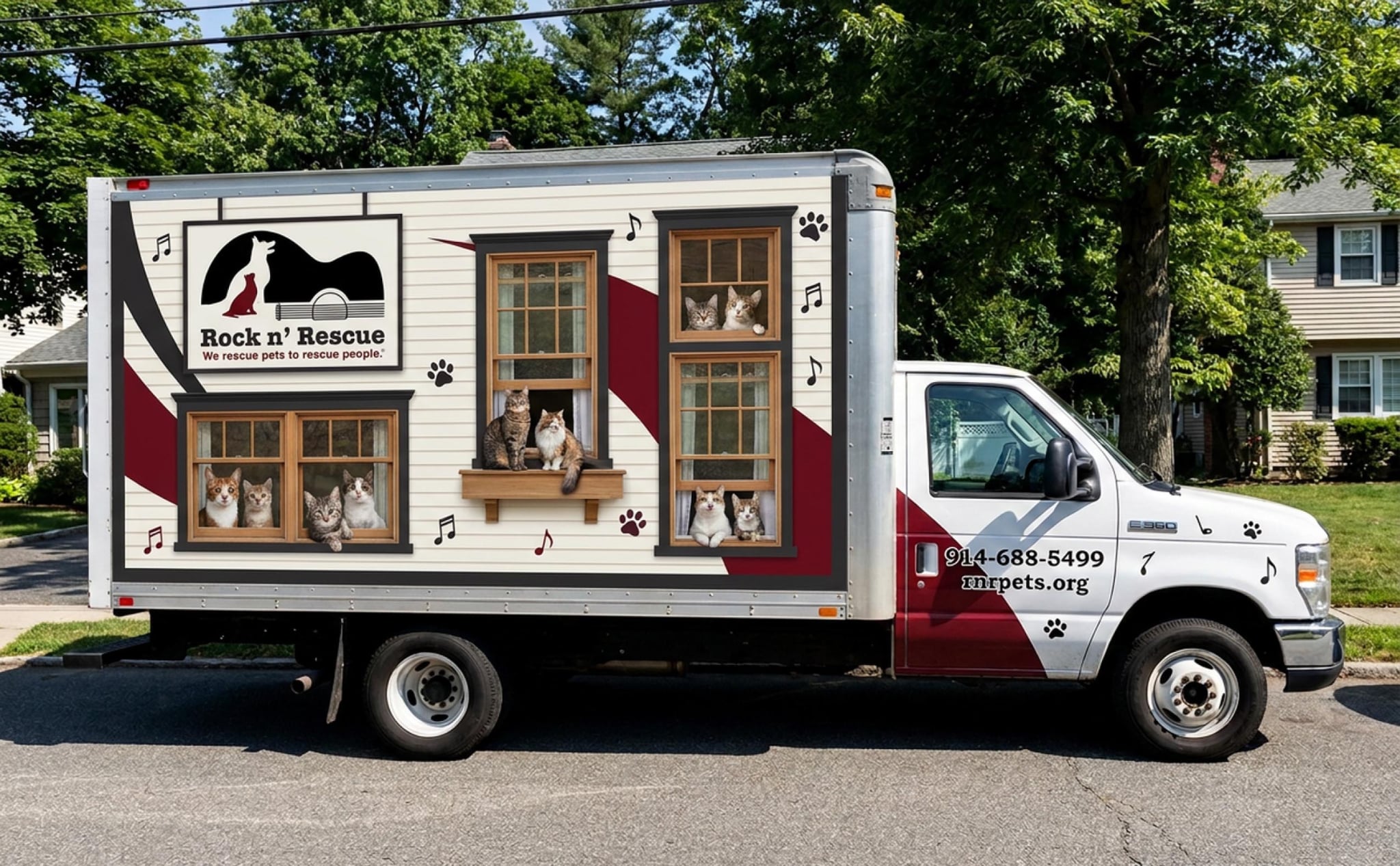
Rock N’ Rescue is also preparing their therapy outreach truck, which should be operational in the new year. Rock N’ Rescue hopes to take this truck to various area hospitals, college campuses, private companies etc. to offer therapy and stress relief, corporate team building.
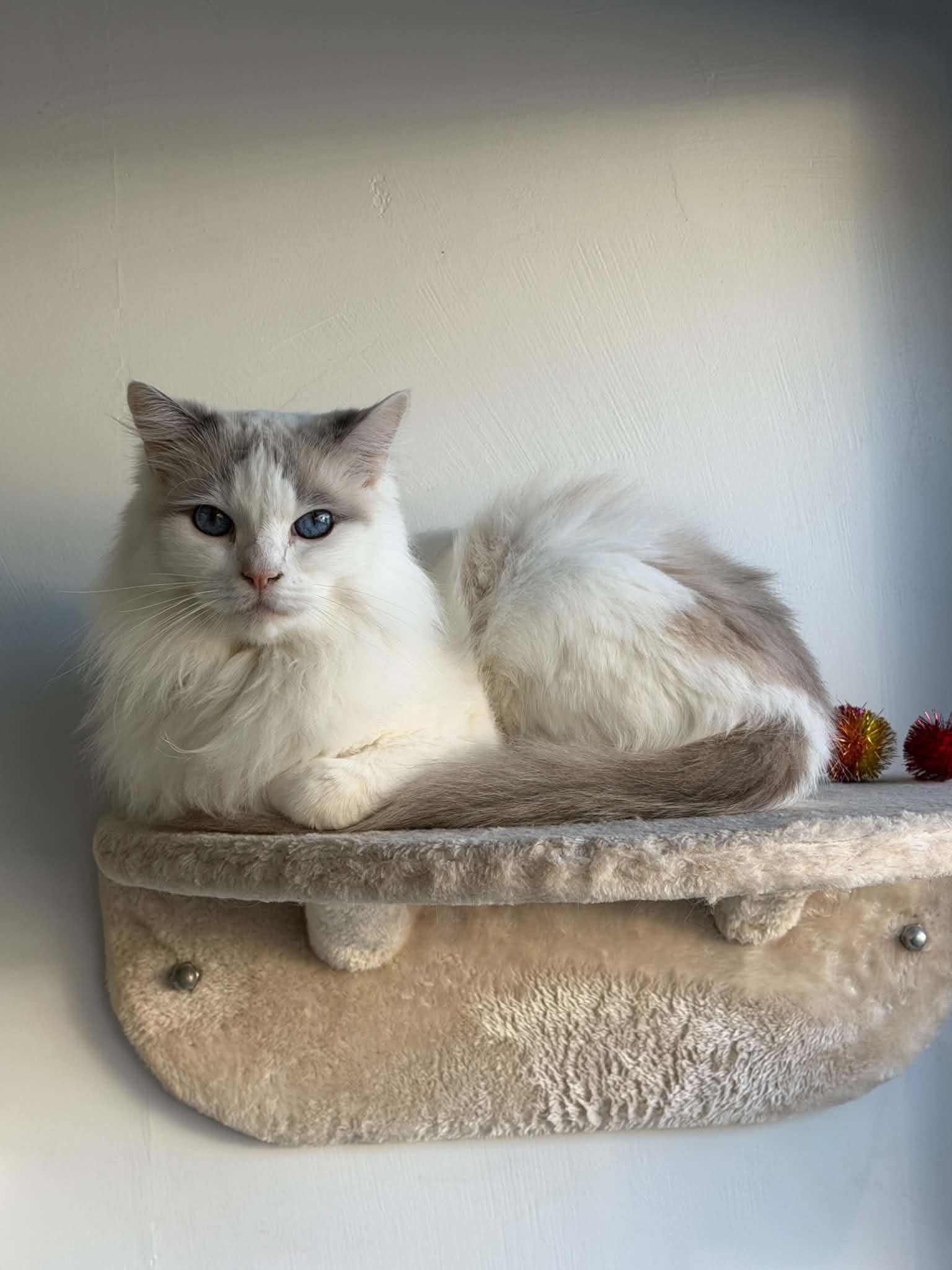
As for my cats, this is Magnolia, my first cat from Rock N’ Rescue.
This is Lilium, who traveled all the way from Doha, the capital city of Qatar in the Middle East.
She’s independent, confident, very friendly, and loves the attention from everyone here at the farm.
Chrysanthemum also traveled all the way from Doha and came to me through Rock ‘N Rescue. All four of my cats – Dahlia too – are so happy at my farm. They have lots of room to roam in my home and lots of attention. Please follow @rocknrescue_ on Instagram to keep up with their events and activities.
The annual burlap project continues here at my New York farm, where my ornamental planters and other garden objects are being prepared for winter.
For years, I’ve wrapped my boxwood shrubs and hedges in burlap to help prevent their branches from splaying or breaking under the weight of snow and ice. I take similar care to protect my outdoor containers and garden ornaments from winter’s harsh elements. Repeated freezing and thawing can cause stone and cement to crack or crumble, particularly in antique pieces. This time of year, all my outdoor planters, birdbaths, stanchions, and other vulnerable objects are carefully covered in burlap, just like my living specimens.
Enjoy these photos.
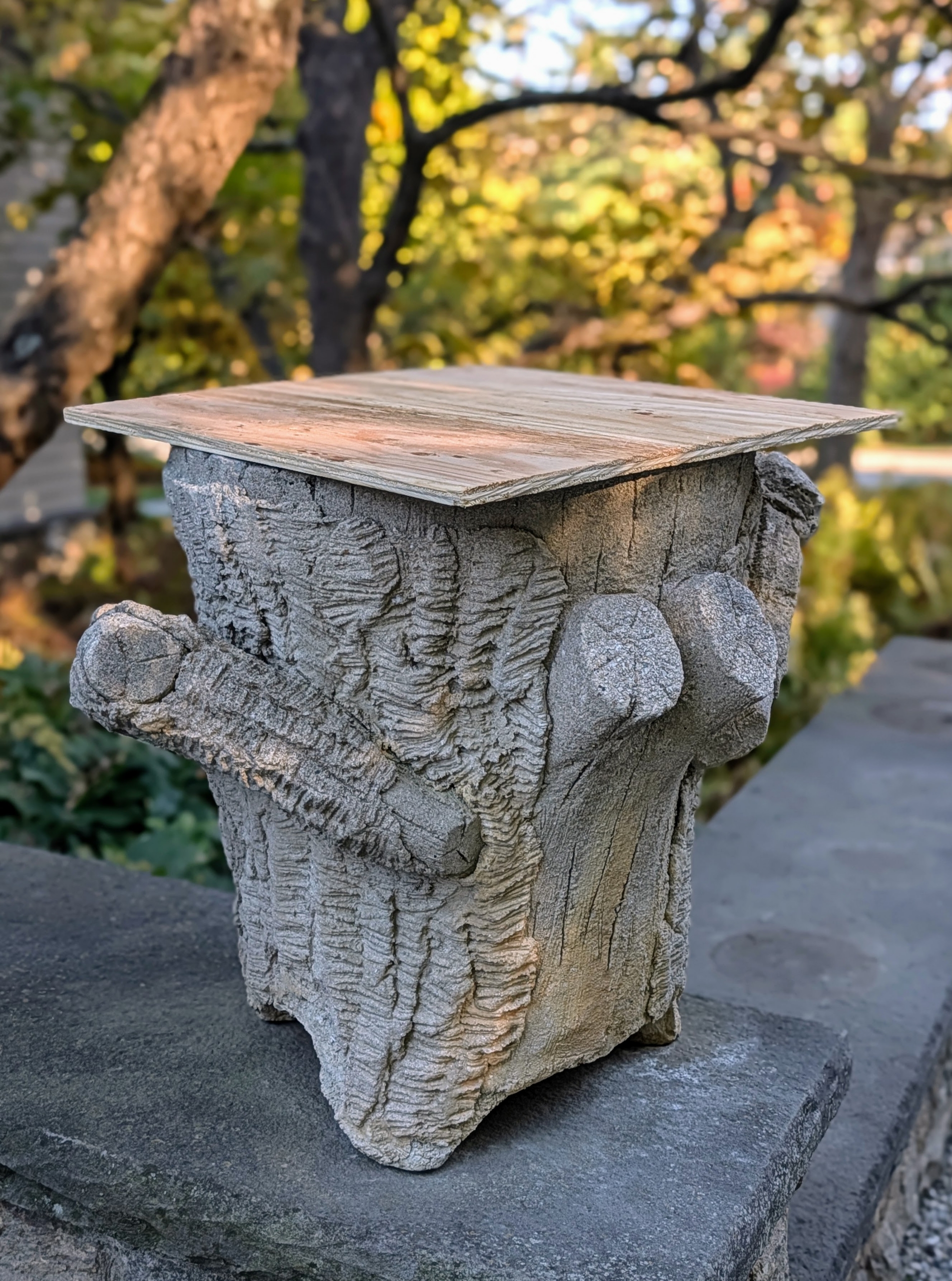
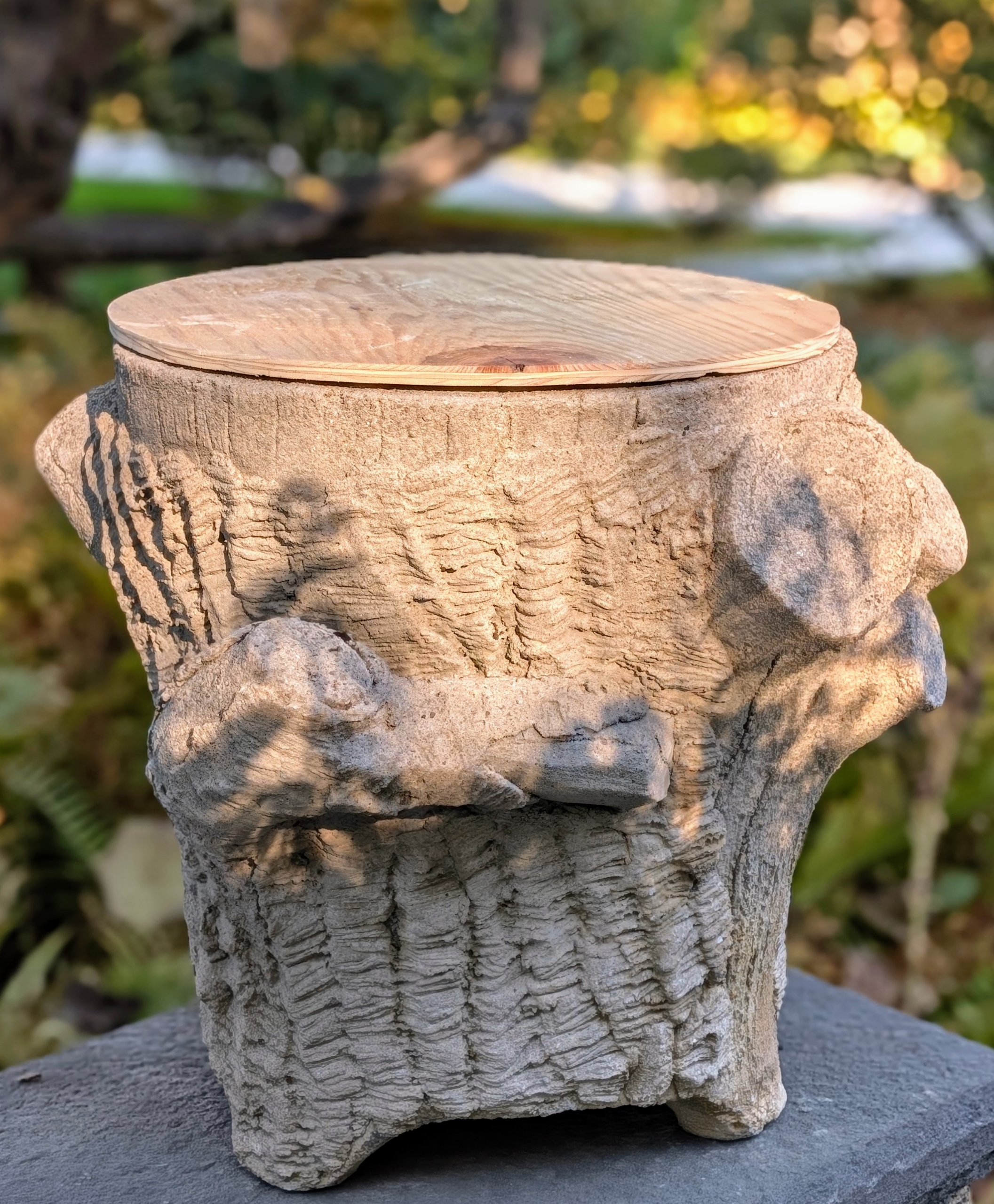
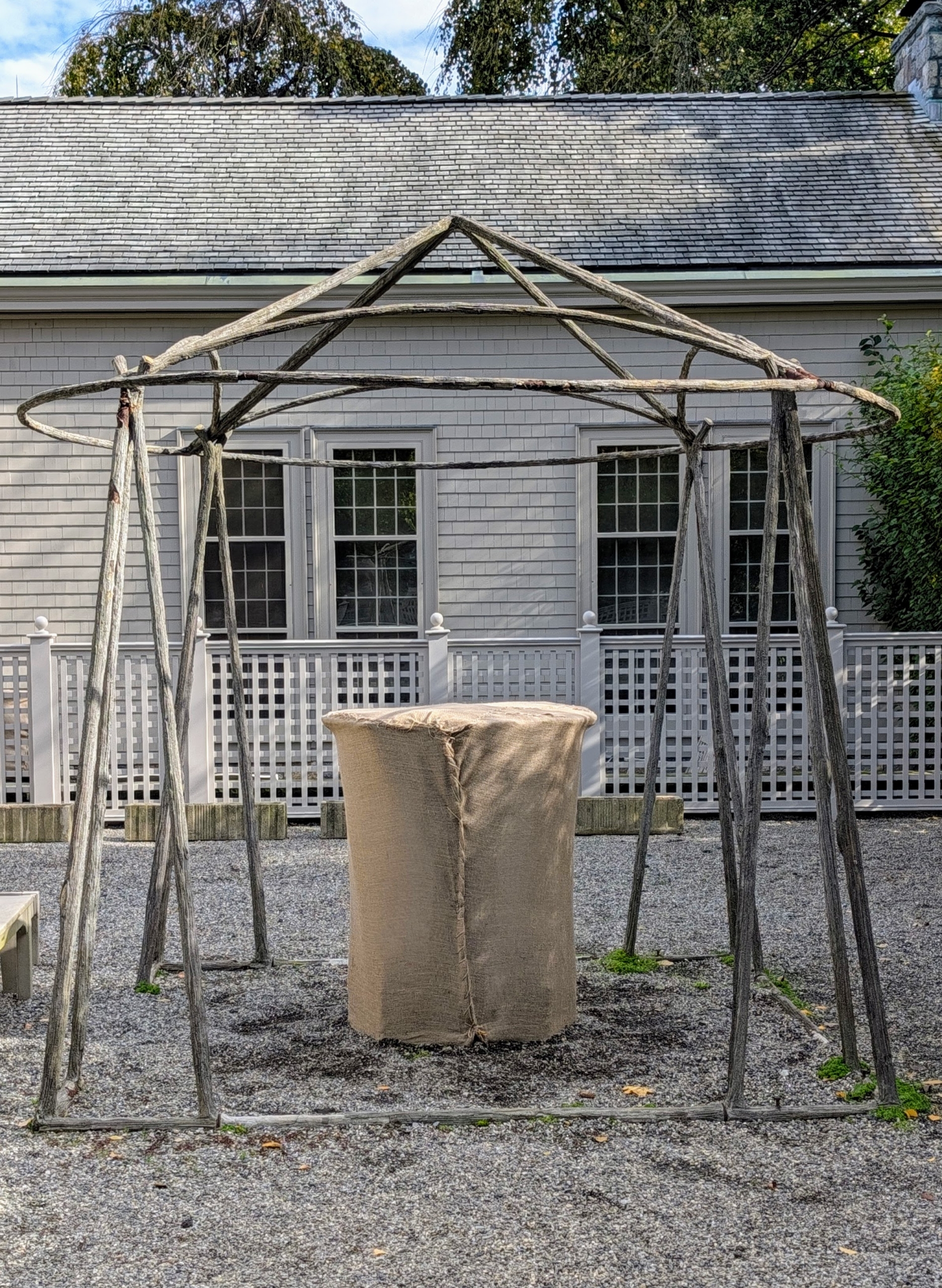
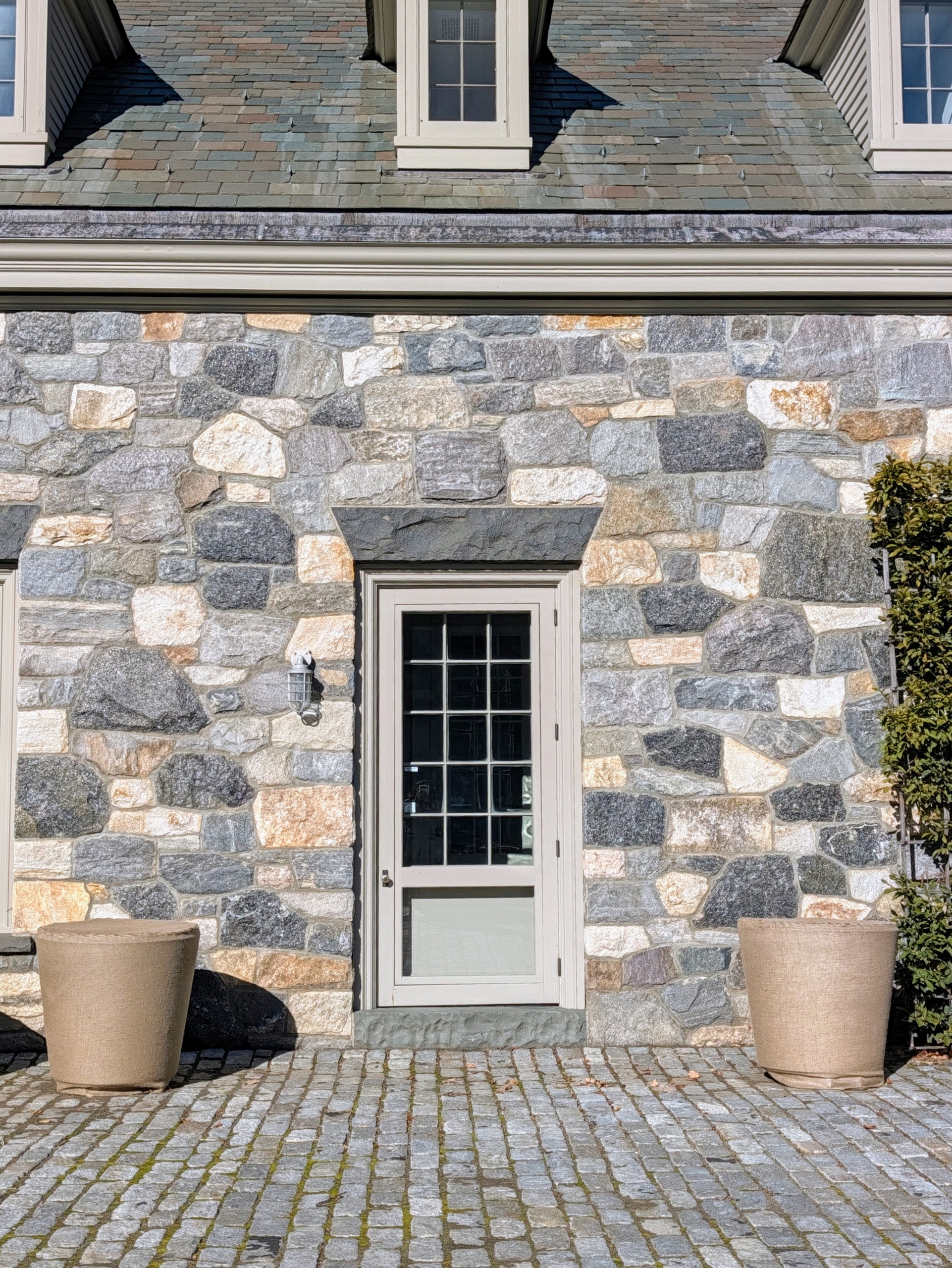
I have many outdoor containers and garden ornaments that are covered and protected with burlap and kept in their respected locations for the duration of the cold season. This is one of two faux bois planters on the stone ledge outside my carport. A piece of plywood is on top ready to be measured and cut to fit.
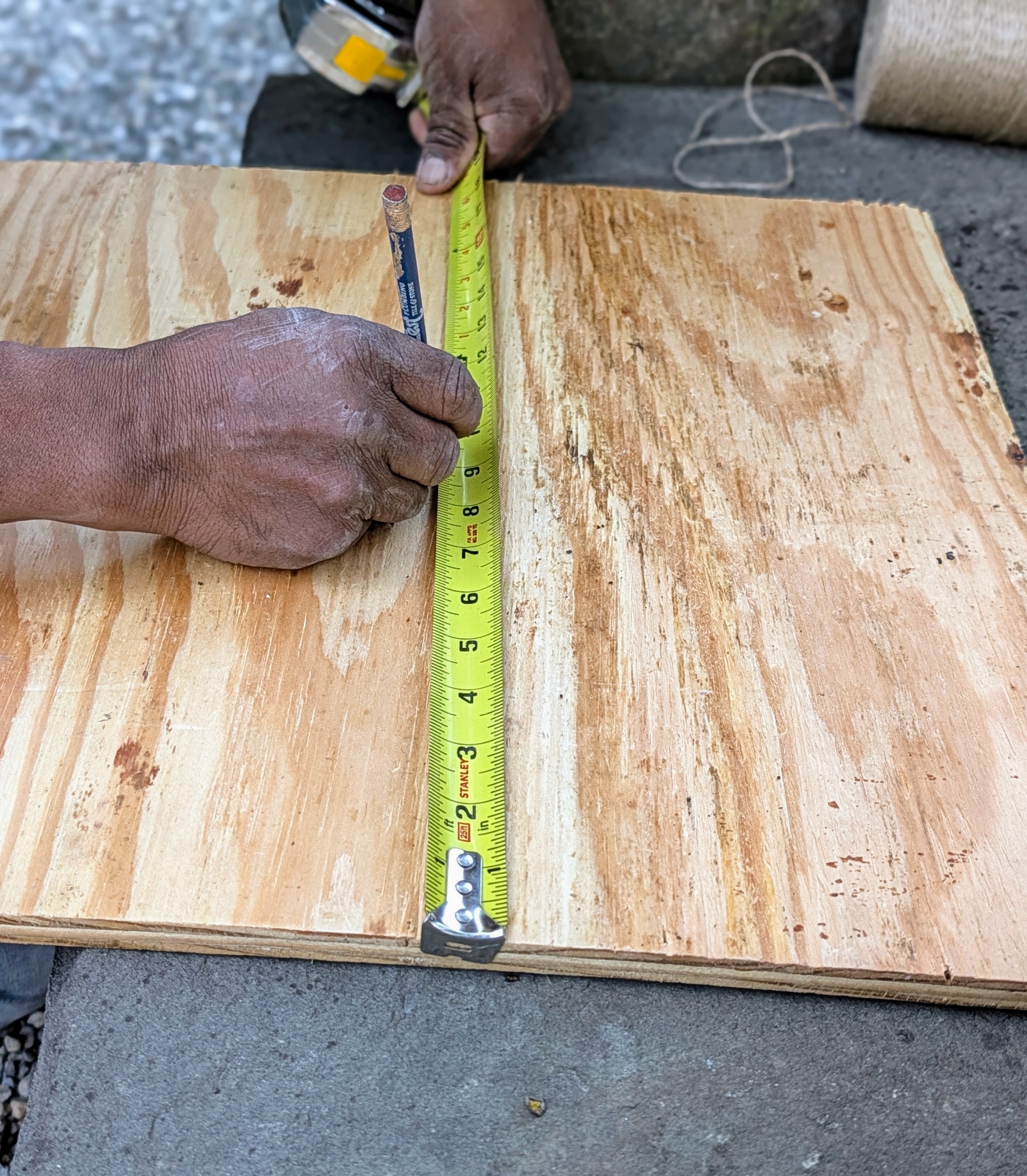
The crew cuts spare plywood into custom lids to fit over various pieces. Pete measures the diameter of pot’s top and then marks it on the plywood before cutting.
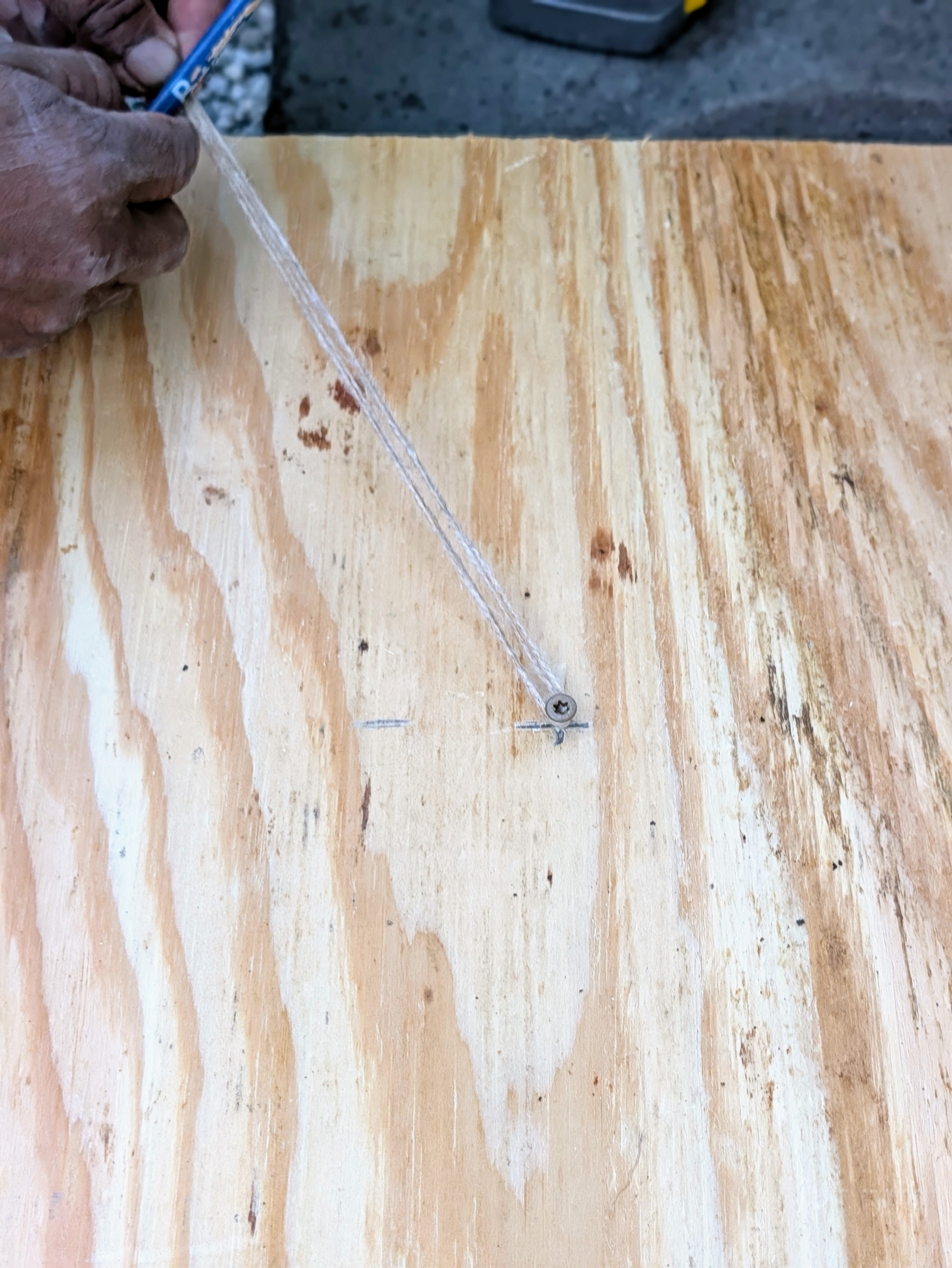
Here he uses the center mark and some twine to draw a perfect circle.
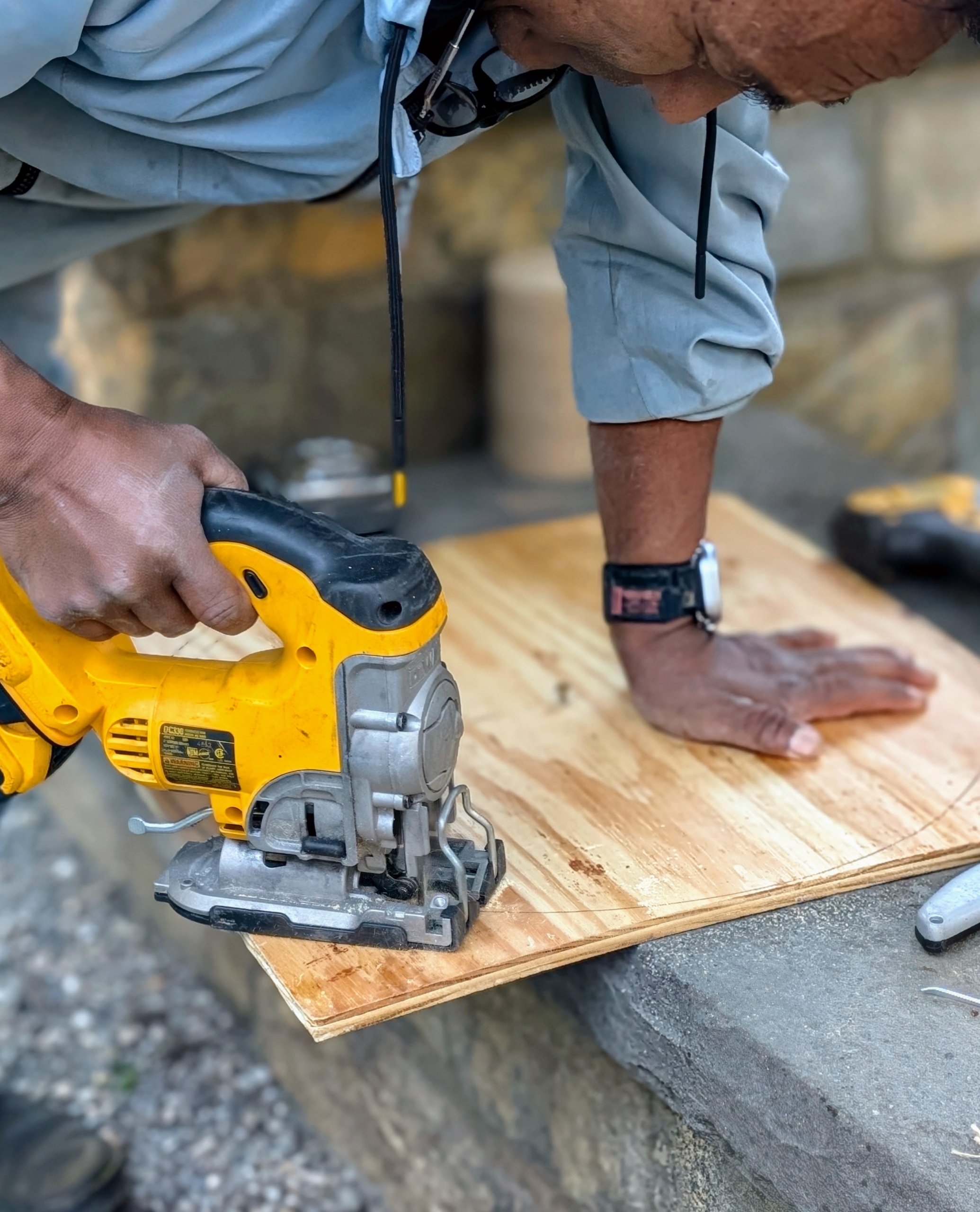
And then carefully cuts the plywood to size.
It’s perfect. The wood top fits right over the pot’s hole resting on the edges of the container.
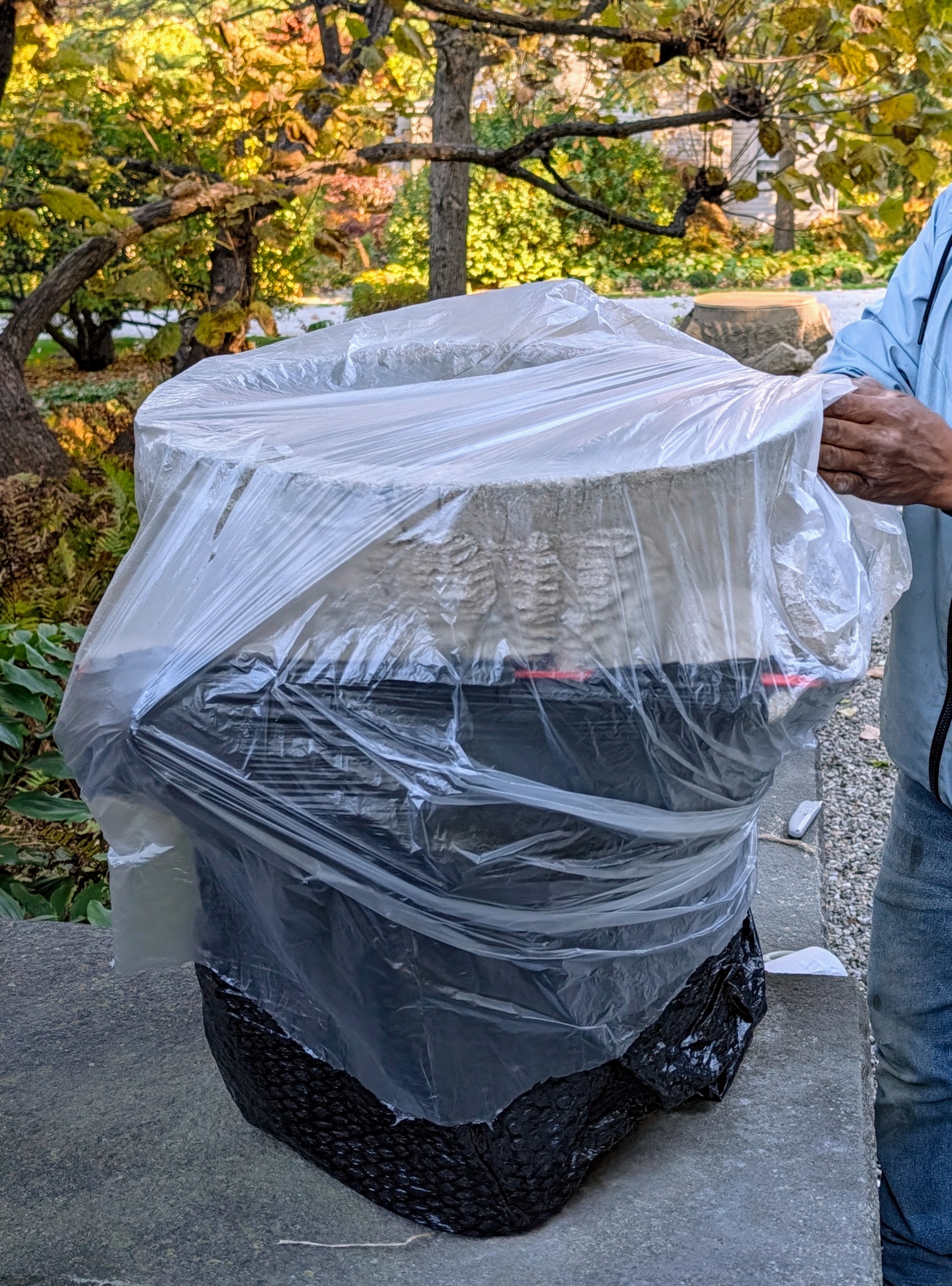
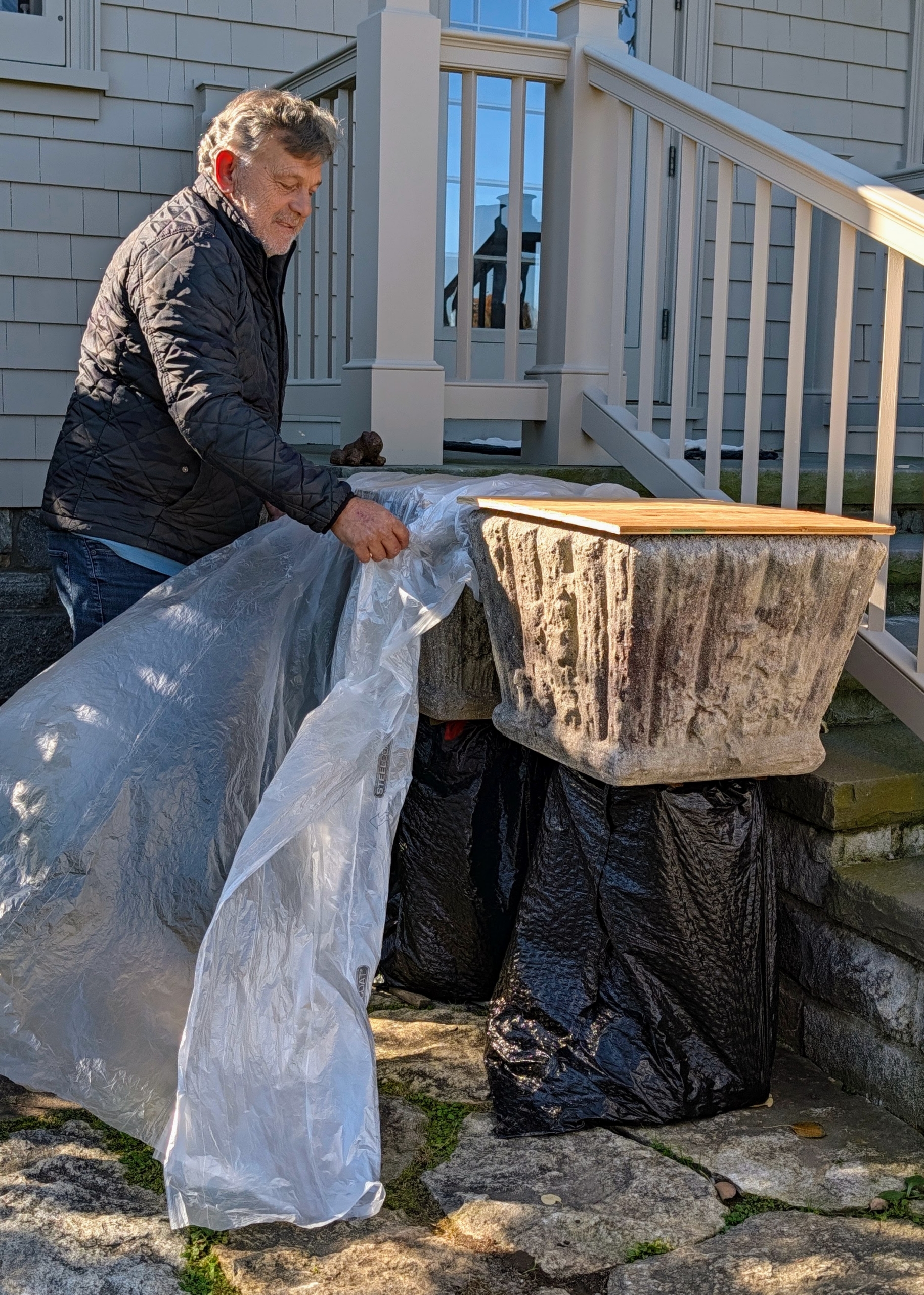
The planter is then carefully covered in plastic. I instructed Pete to make sure he wraps everything completely – that means underneath it as well. The black plastic is a regular garbage bag, which is easy to use on smaller vessels.
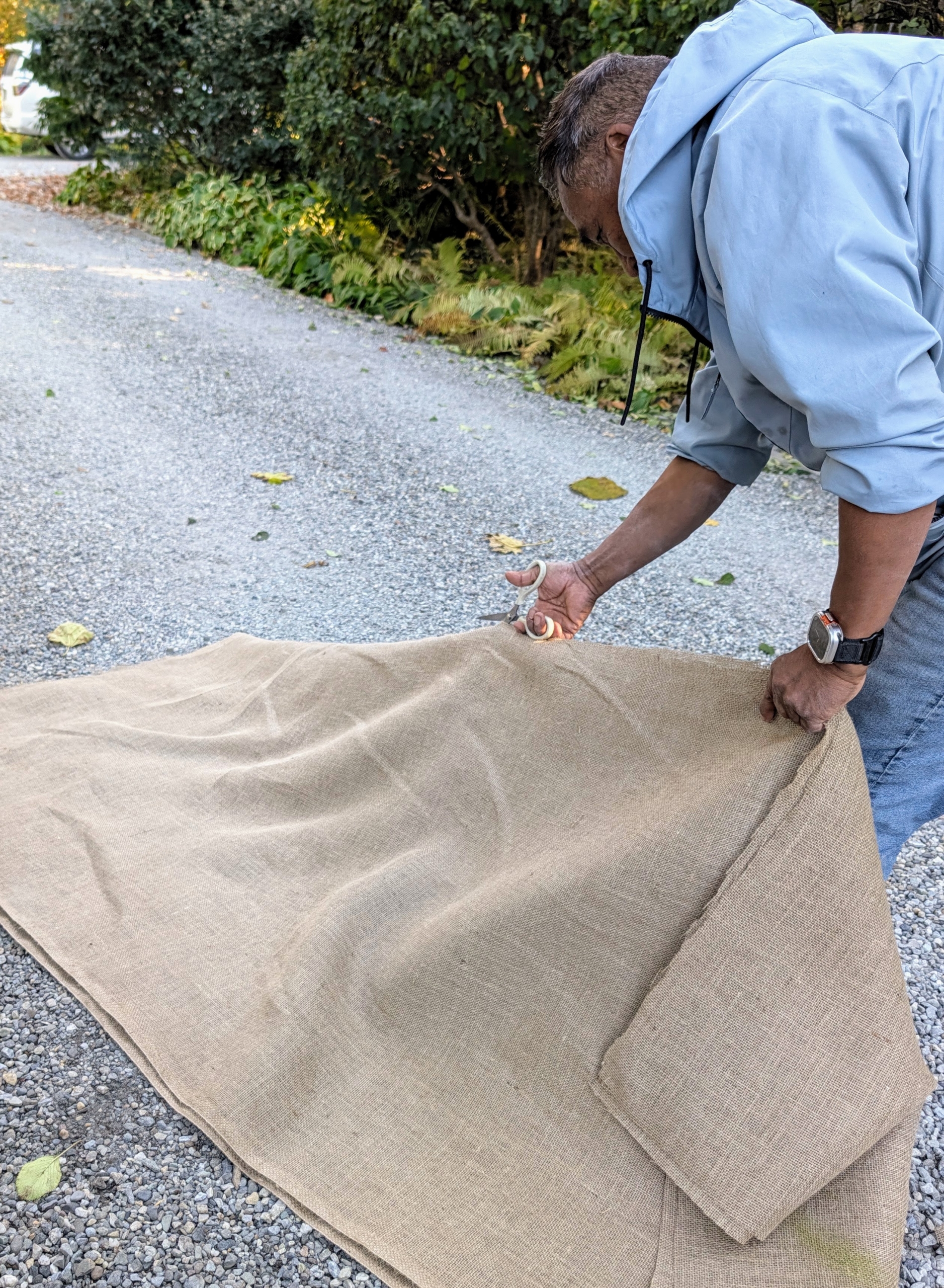
When possible, my crew reuses burlap from seasons past; however, it is also available in giant rolls of 40-inches or 60-inches wide. Pete cuts the burlap fabric to fit – one piece that can completely wrap around the urn. He doubles up the fabric to accommodate two.
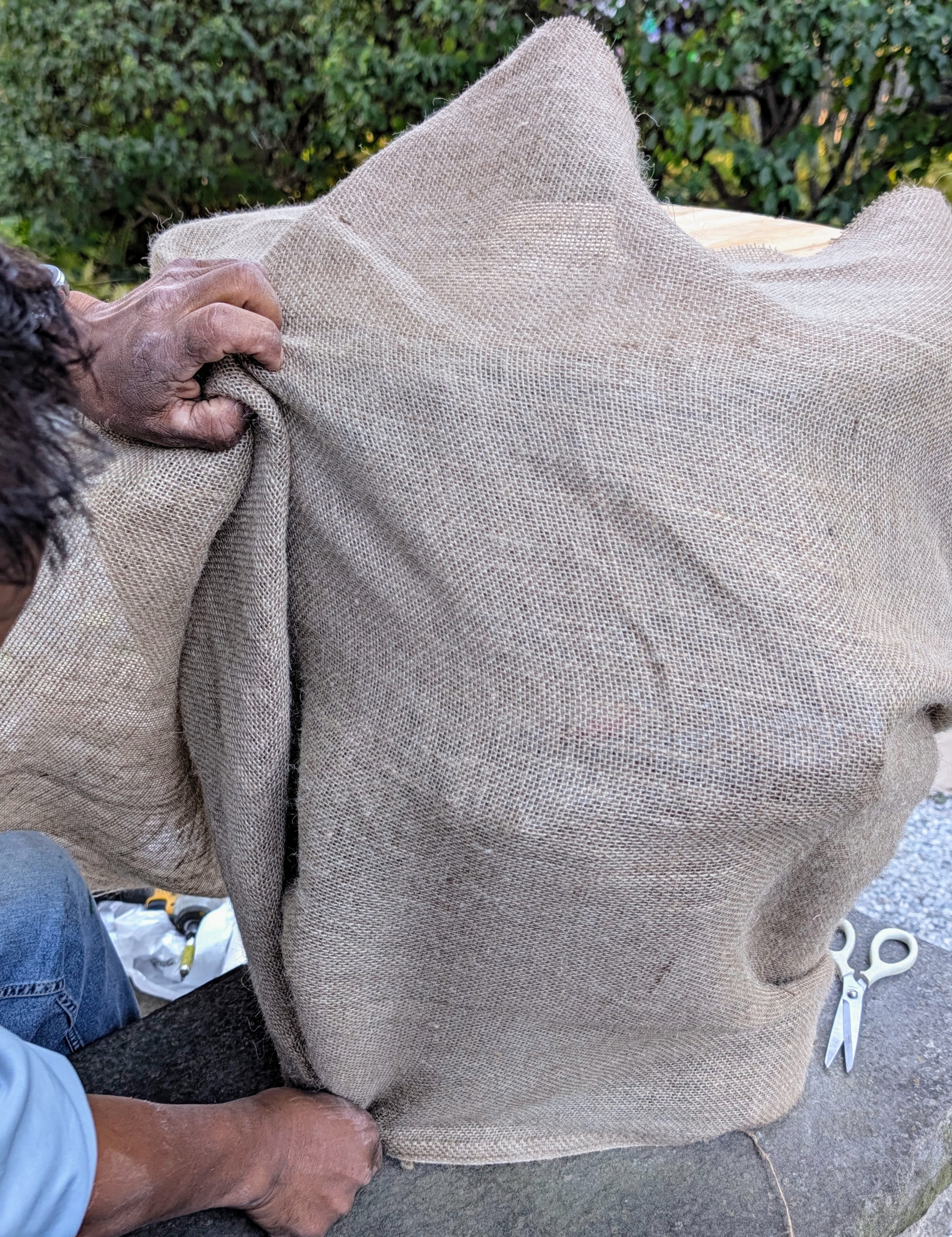
The burlap is wrapped around the entire piece. Burlap is so useful for many gardening projects – it is inexpensive, biodegradable, and the color and texture of burlap is so pretty to use.
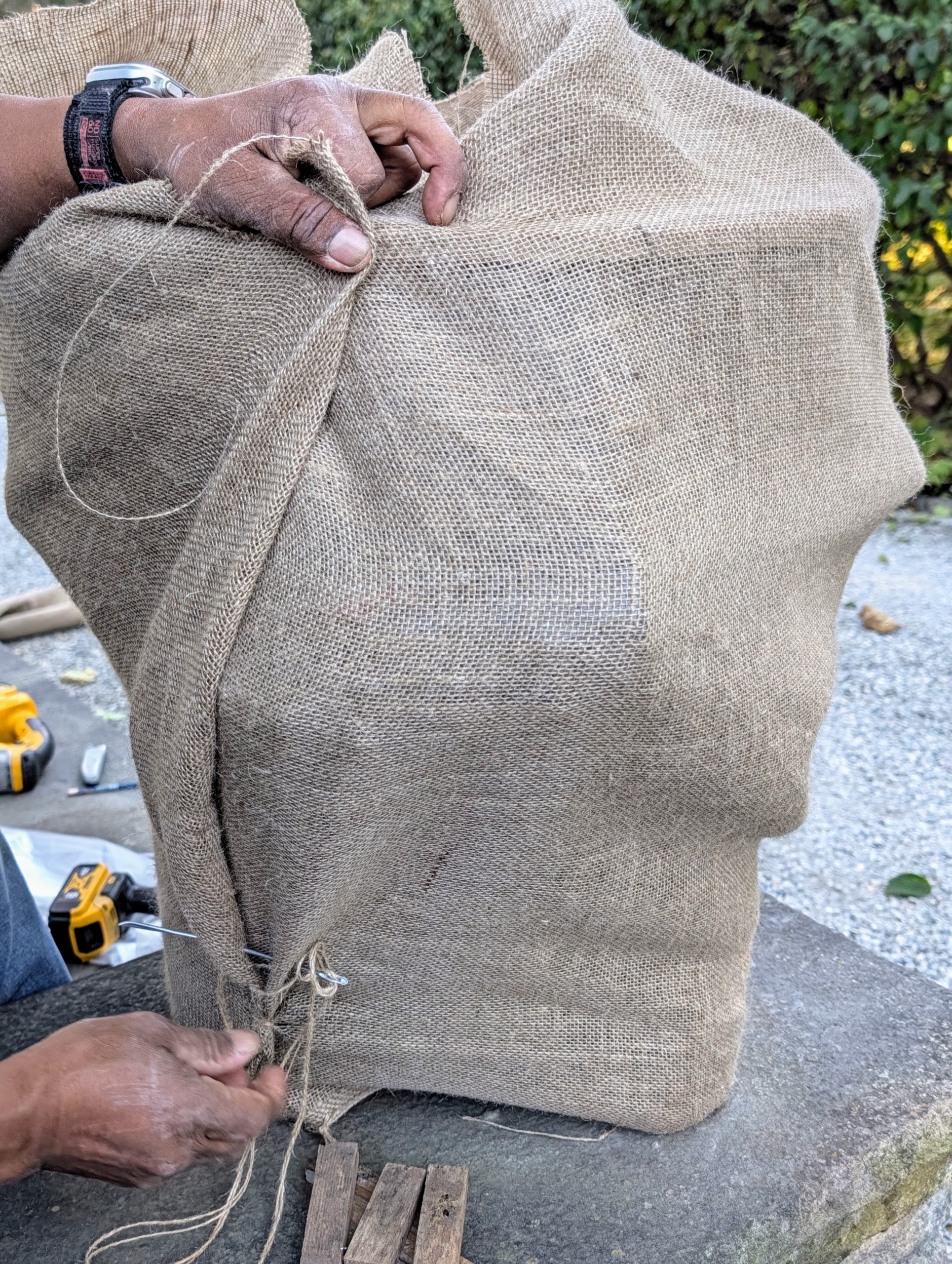
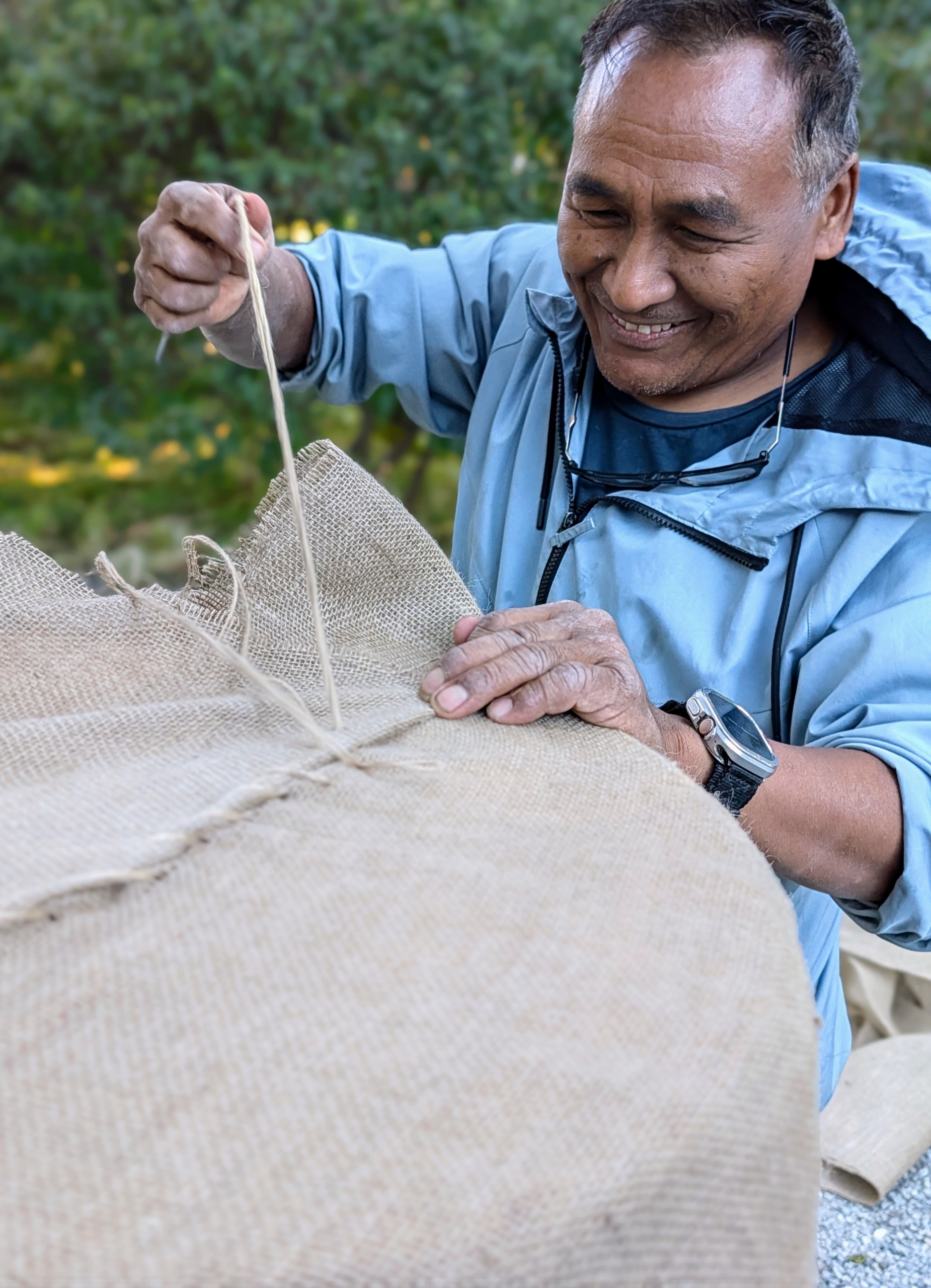
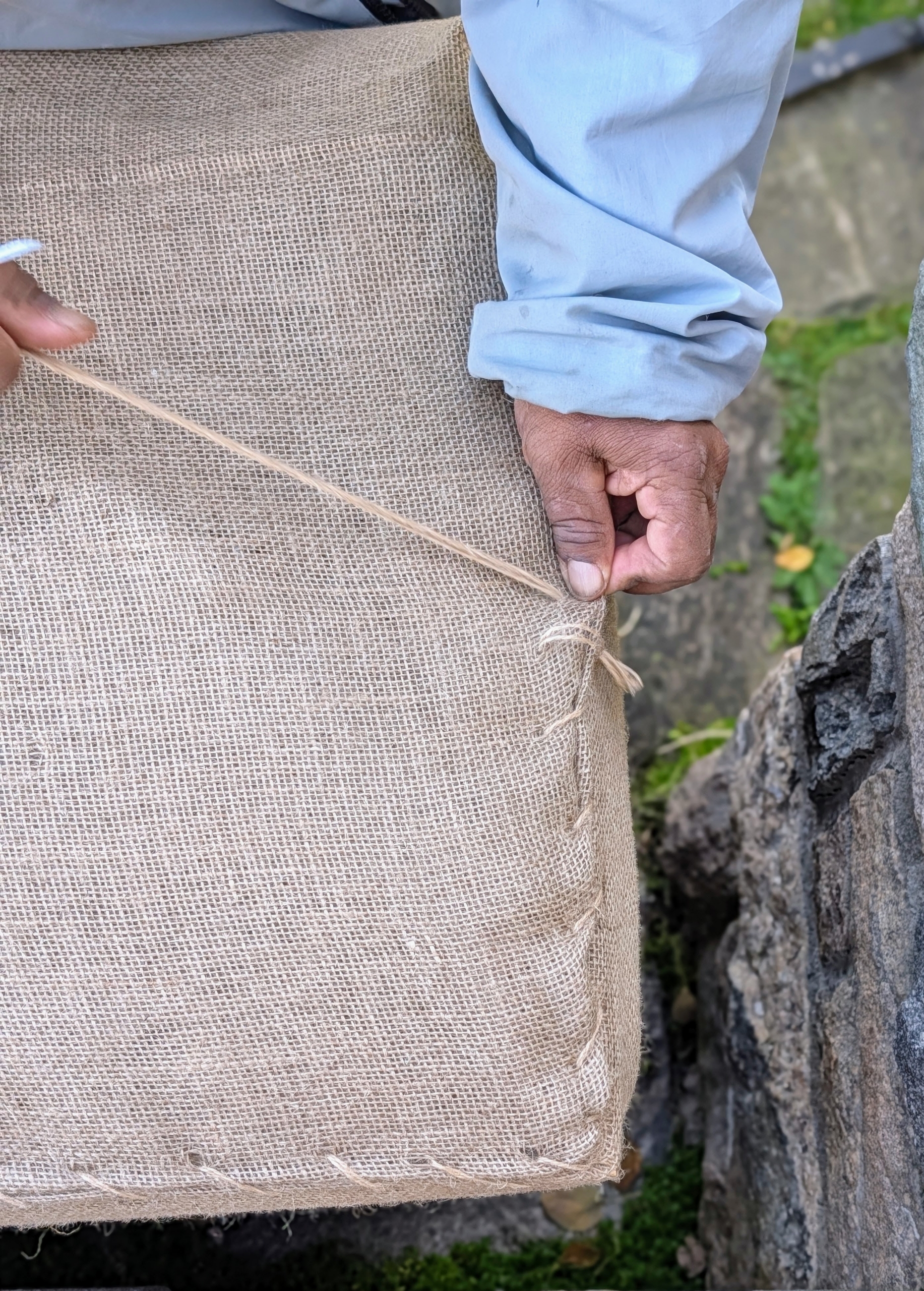
He makes small stitches and knots to keep the burlap in place. And then Pete sews the edge closed. The burlap should be sewn tightly, but with some space for air circulation. Because the burlap is exposed to the elements for several months, Pete does this task very carefully.
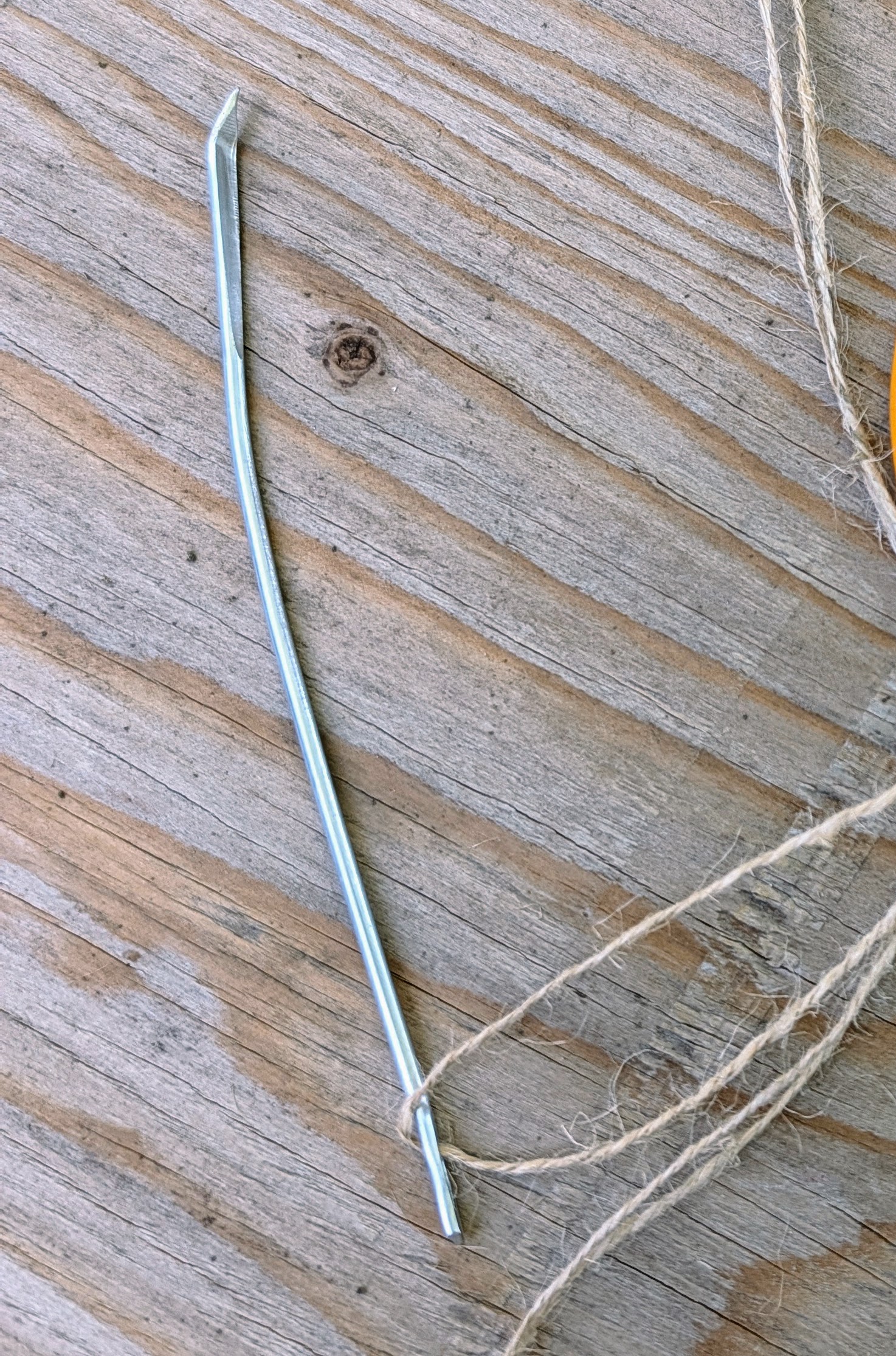
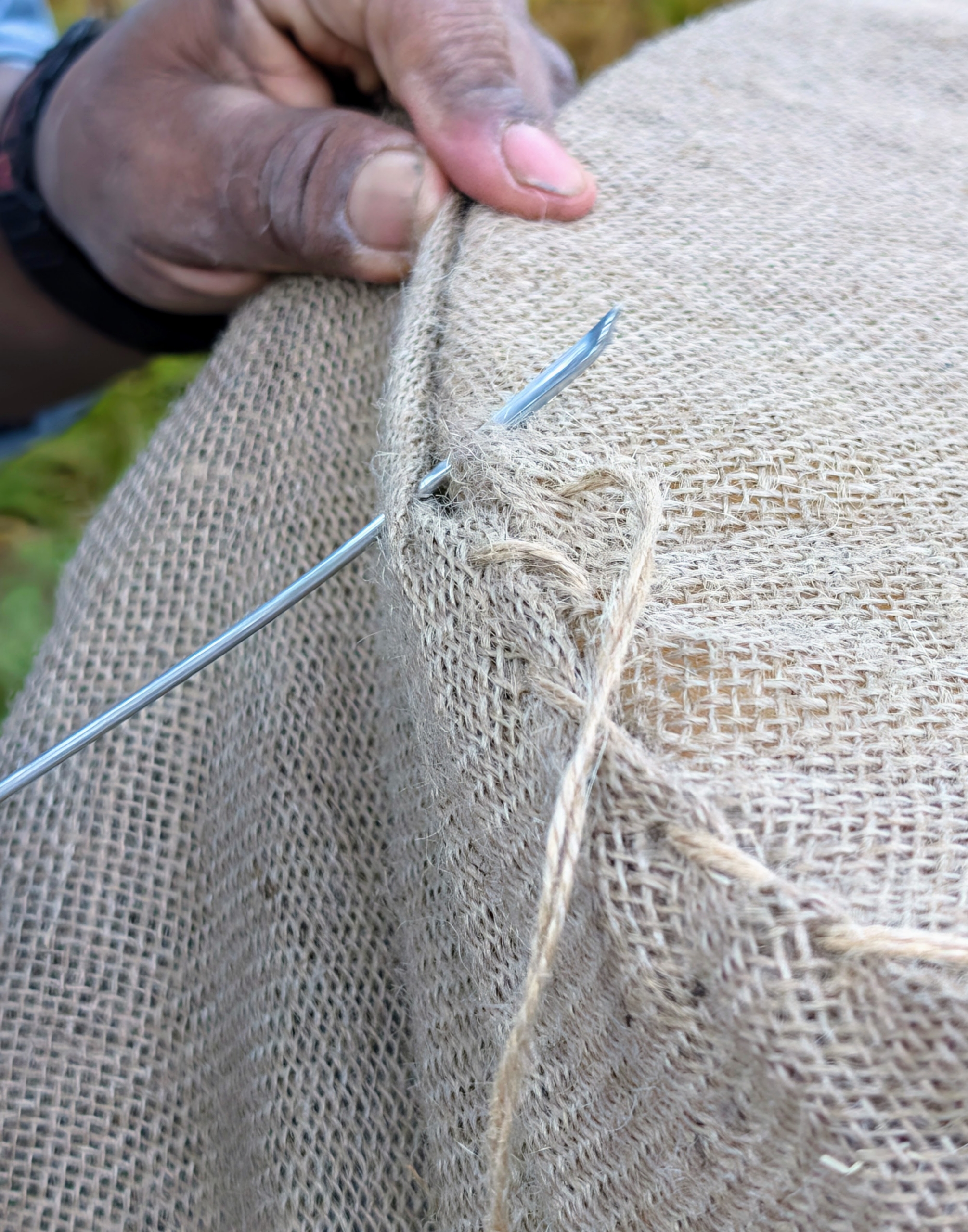
To complete all the burlap projects, the tools are simple – we use five-inch long craft needles specifically made for working with jute. These needles have large eyes and bent tips. Every member of my outdoor grounds crew has a needle.
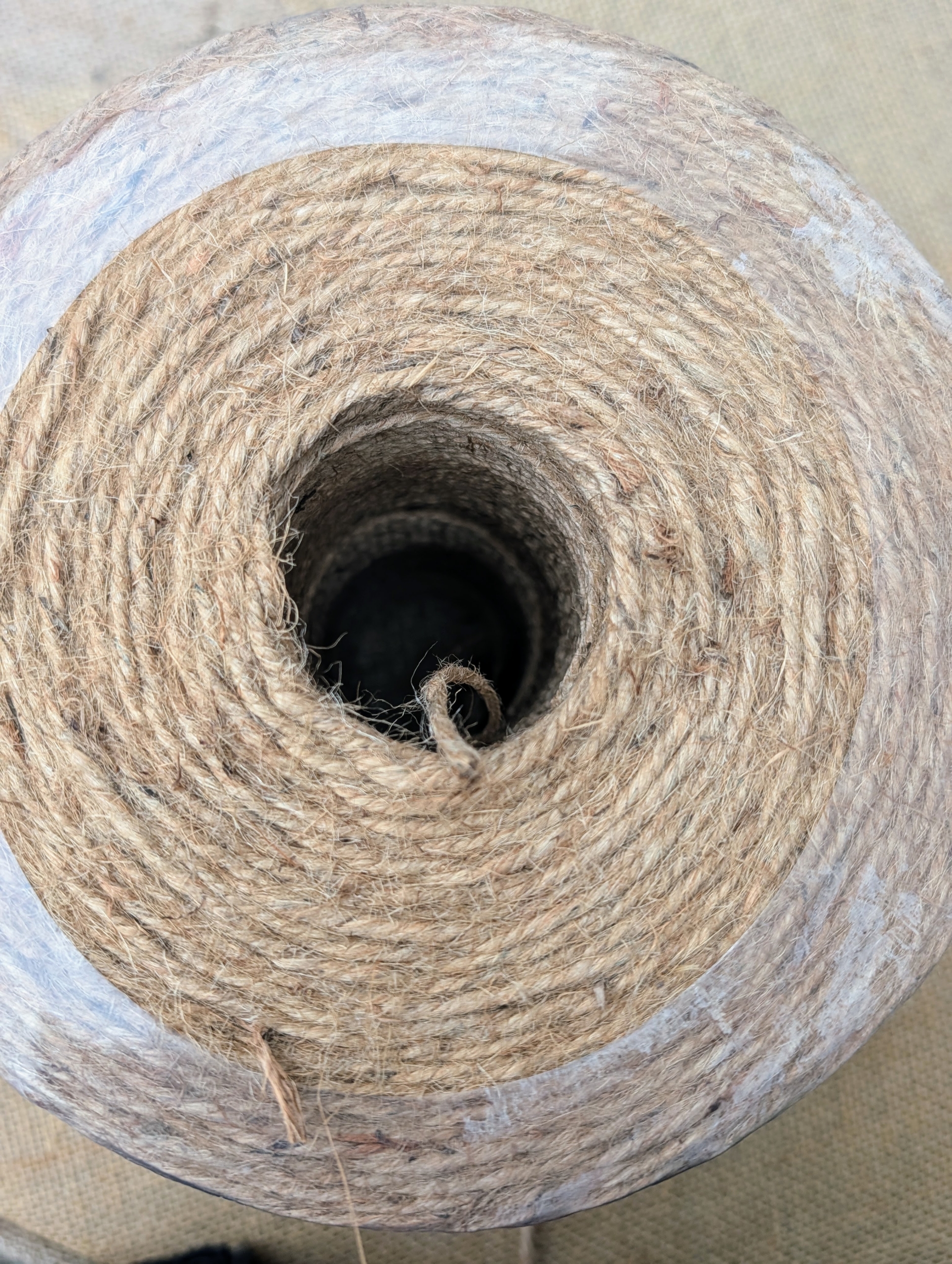
We also use jute twine. It is all natural and the same color as the burlap.
After the side edge, Pete sews the top closed, tucking the excess burlap in and pulling taut as he goes.
The sewing gets better and better every year.
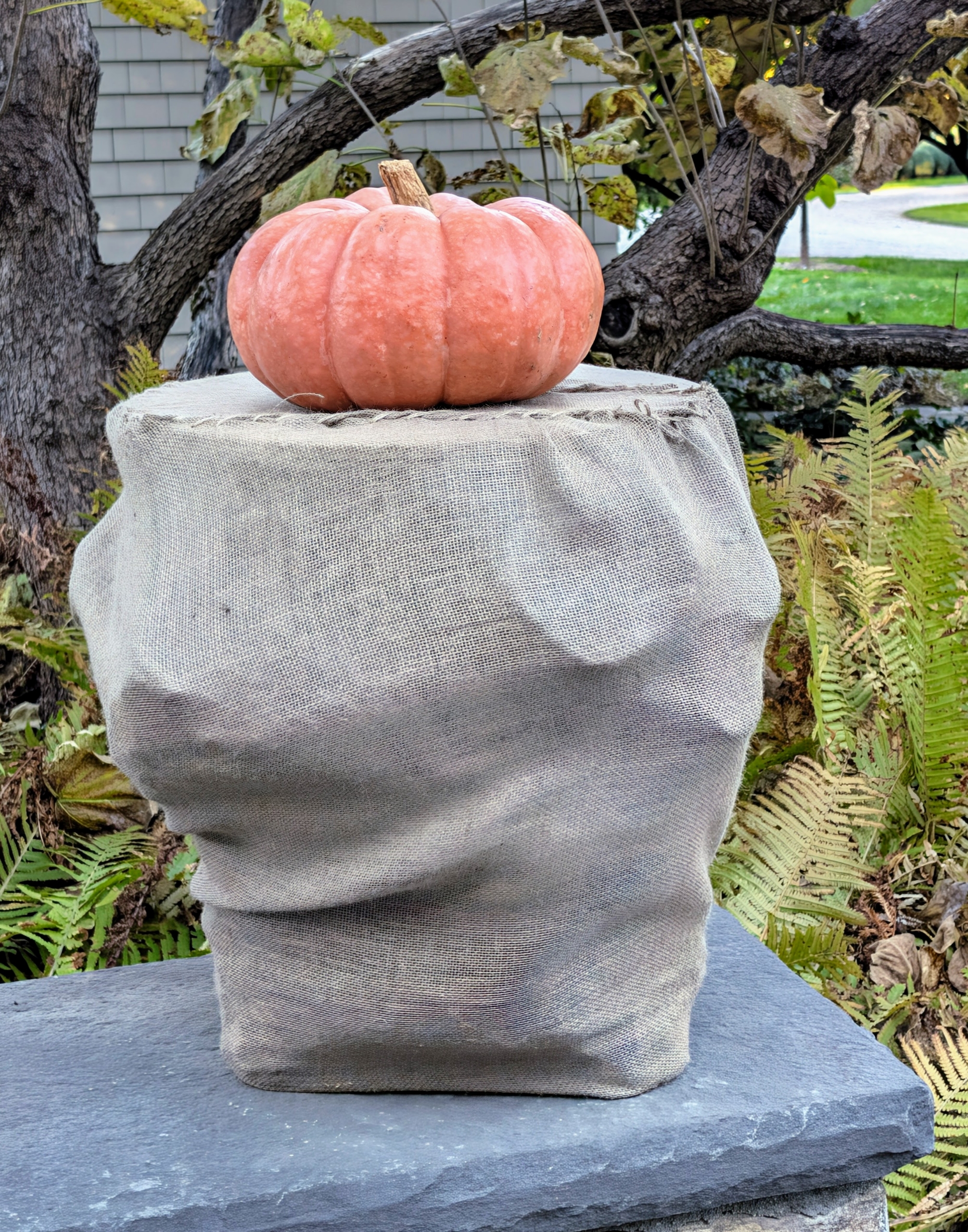
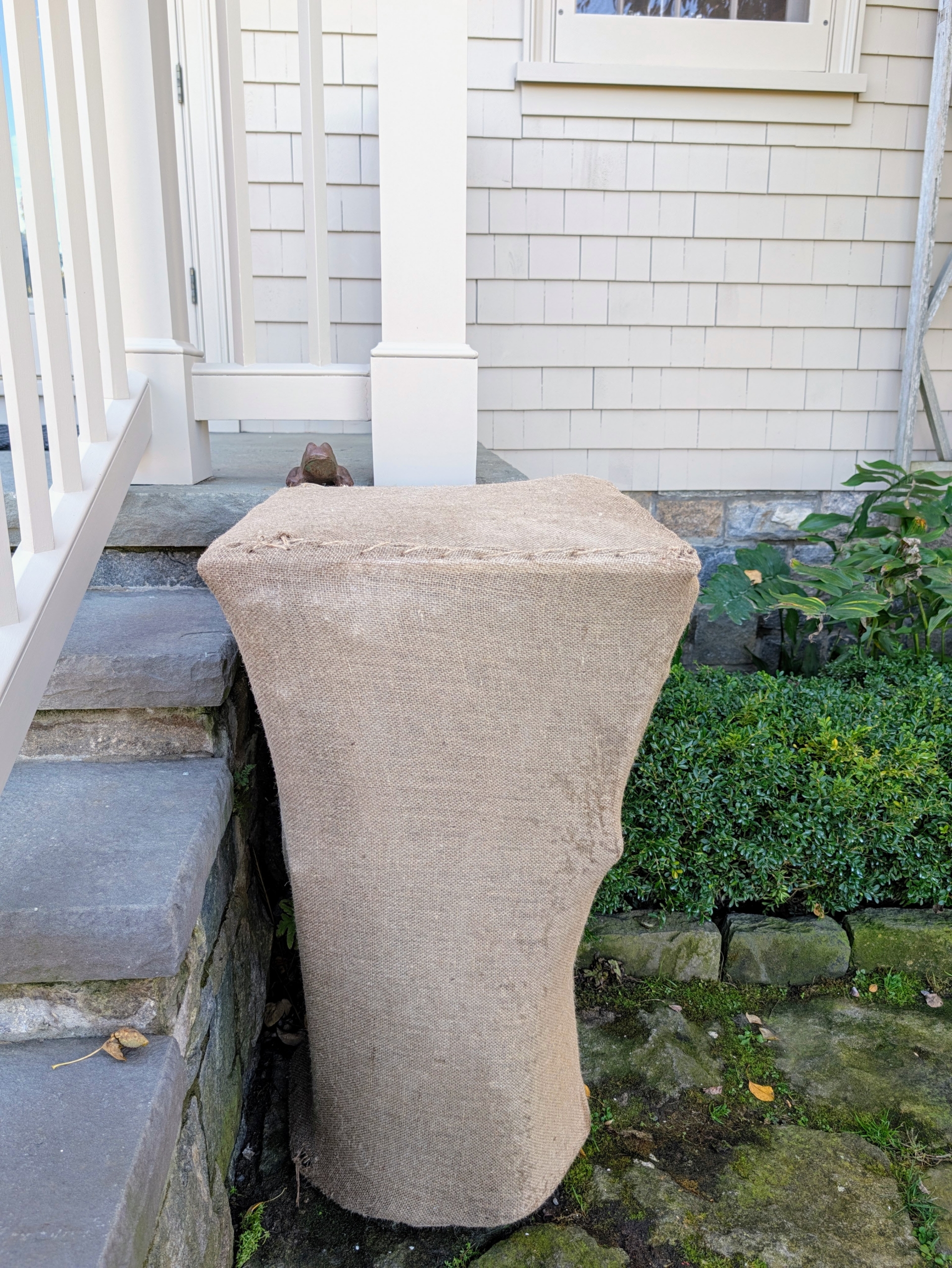
A pumpkin decorates the top when finished. My faux bois planters will now be well protected until spring.
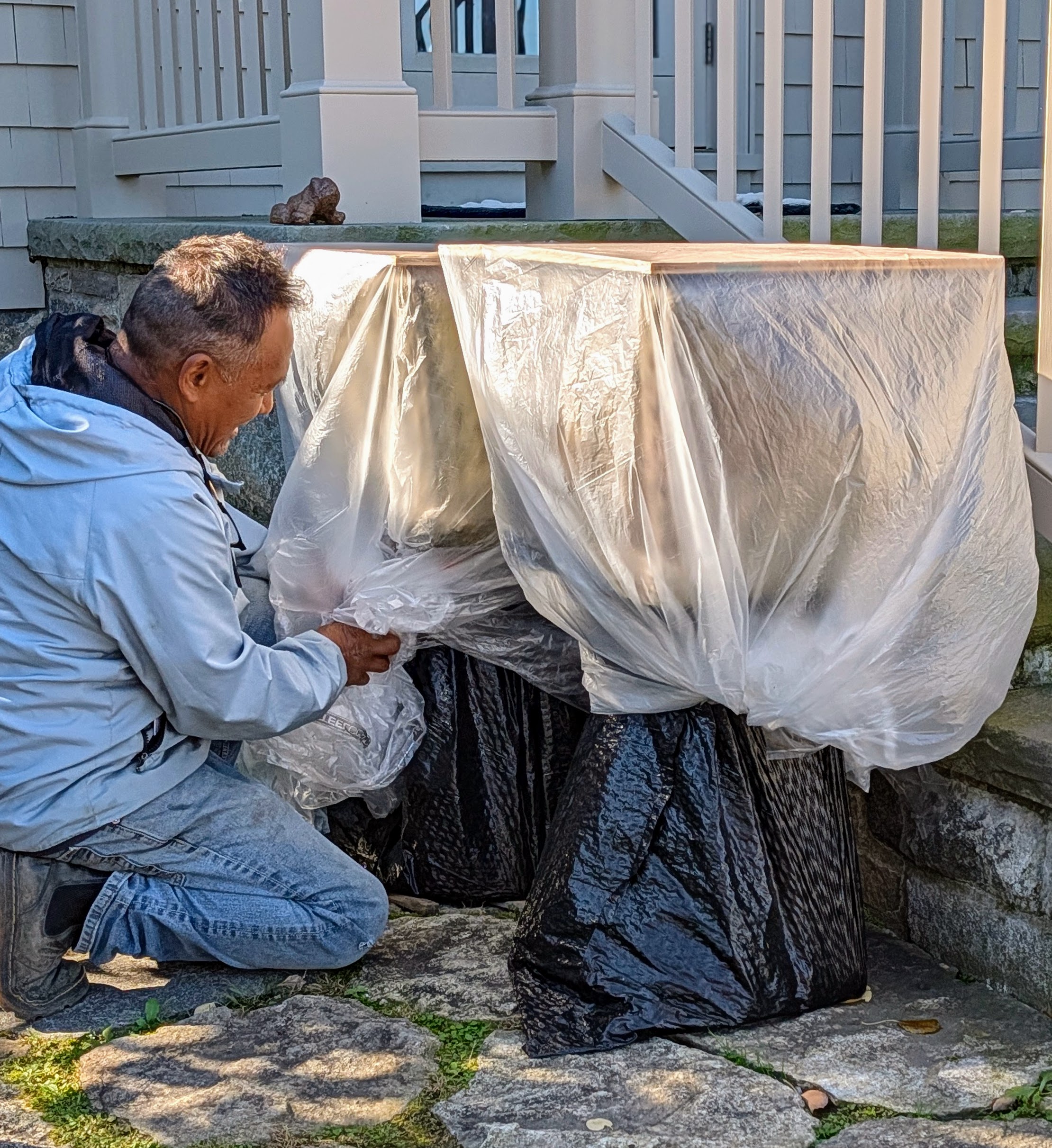
Meanwhile, Fernando places plastic under and on top of these planters outside my Winter House kitchen.
Here, Pete tucks in and secures the plastic, so every part of the urns are covered.
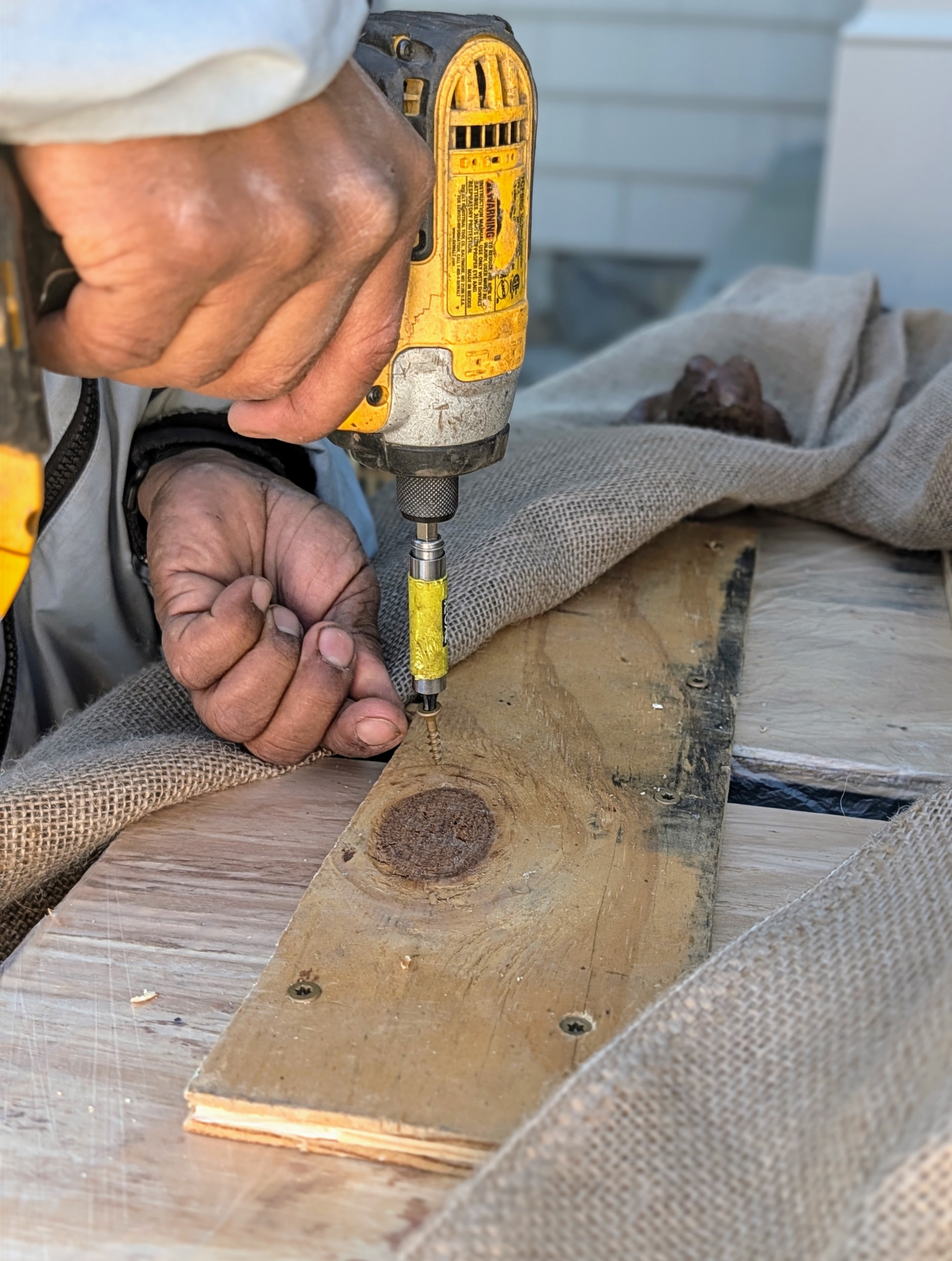
Once plywood is cut and fit on top, Pete also connects both pieces with another cut of wood, so they do not move.
And then the sewing can begin. Pete wraps two together, tucking and pulling to keep it all tight and tidy.
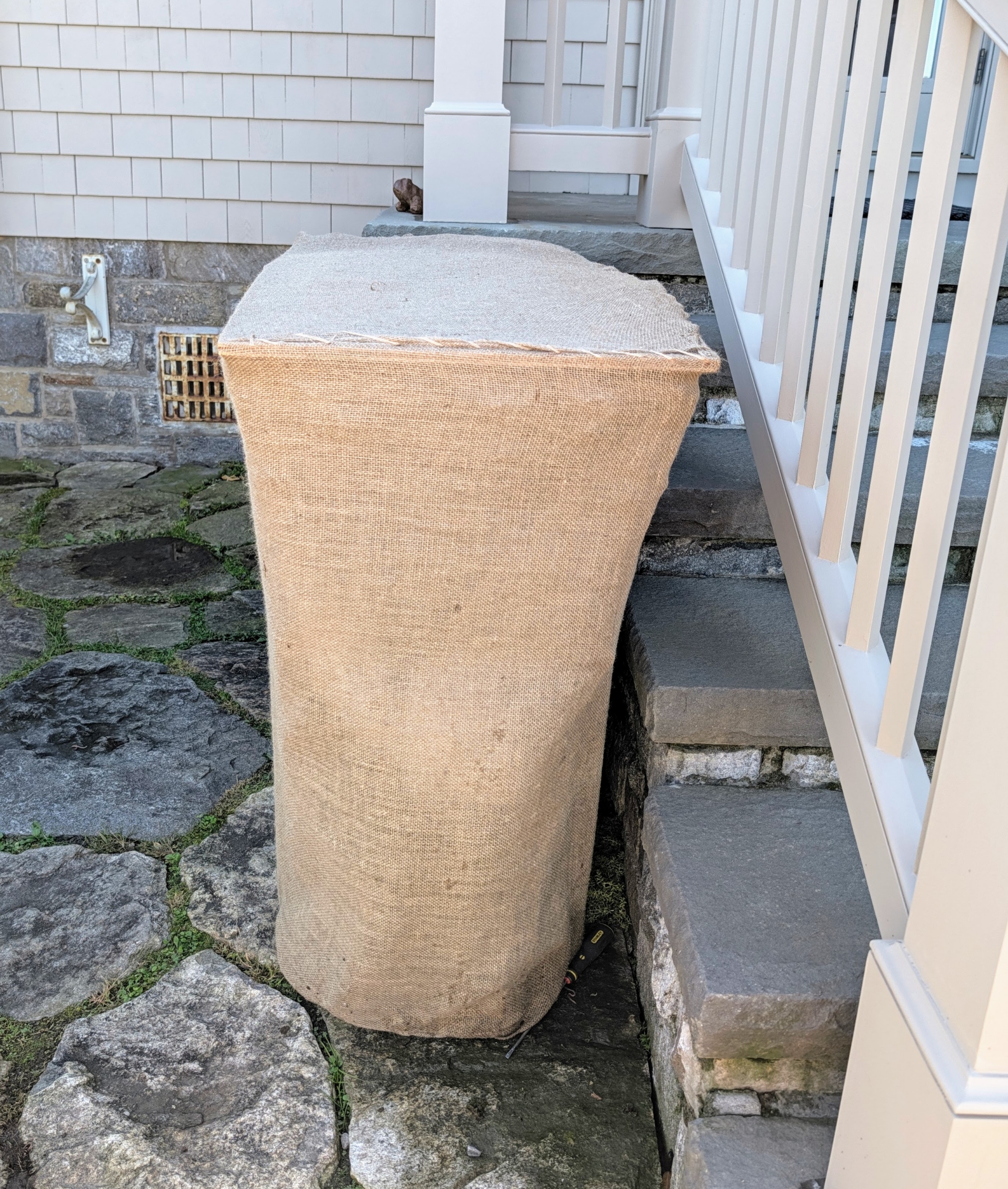
Here they are all wrapped.
There are three of the same planters in all – here’s one on the other side of the stairs, also finished.
Pete and Fernando also wrapped the big stone birdbath in the courtyard behind my Winter House.
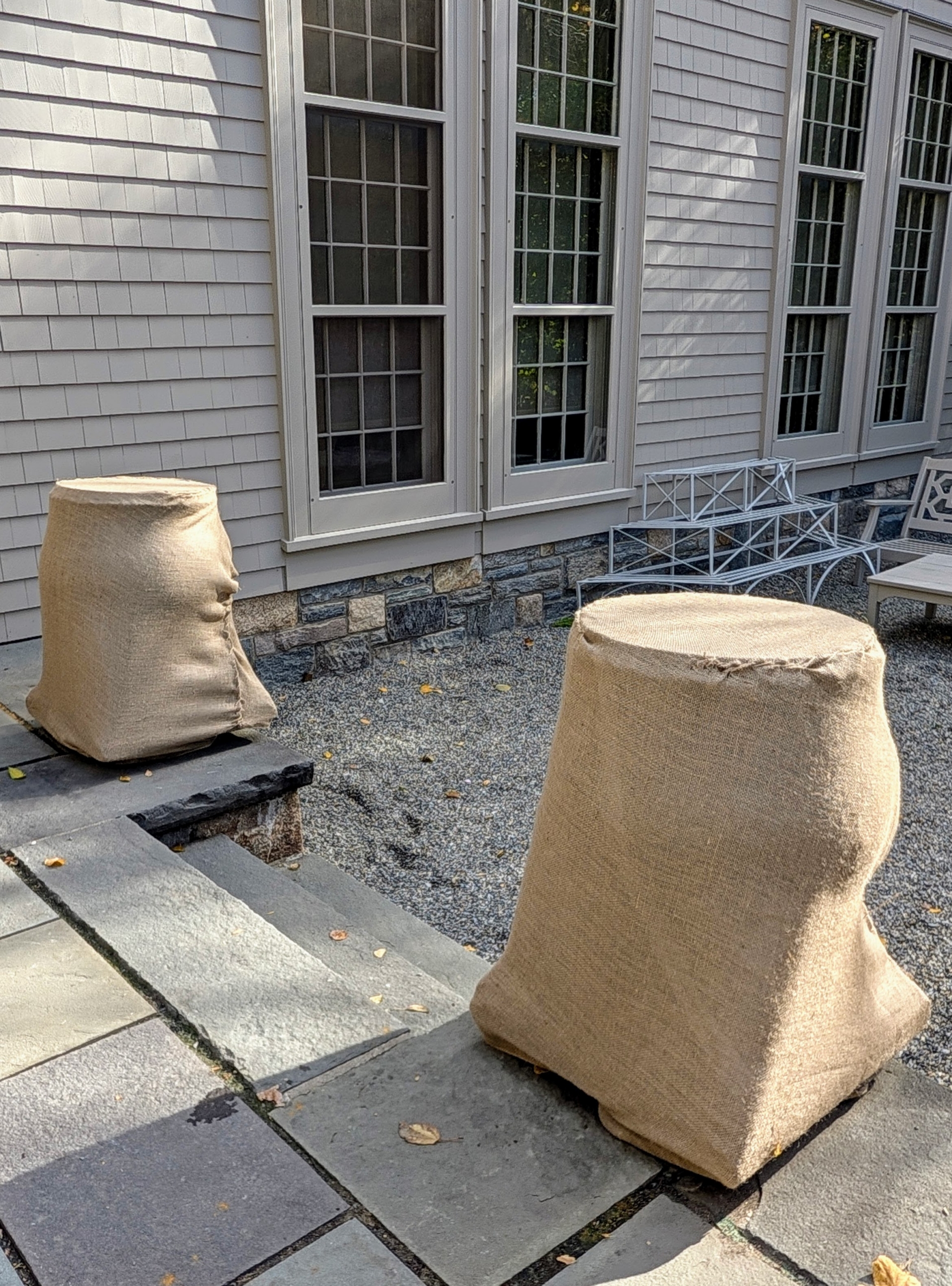
Pete also wrapped these two planters in the same area.
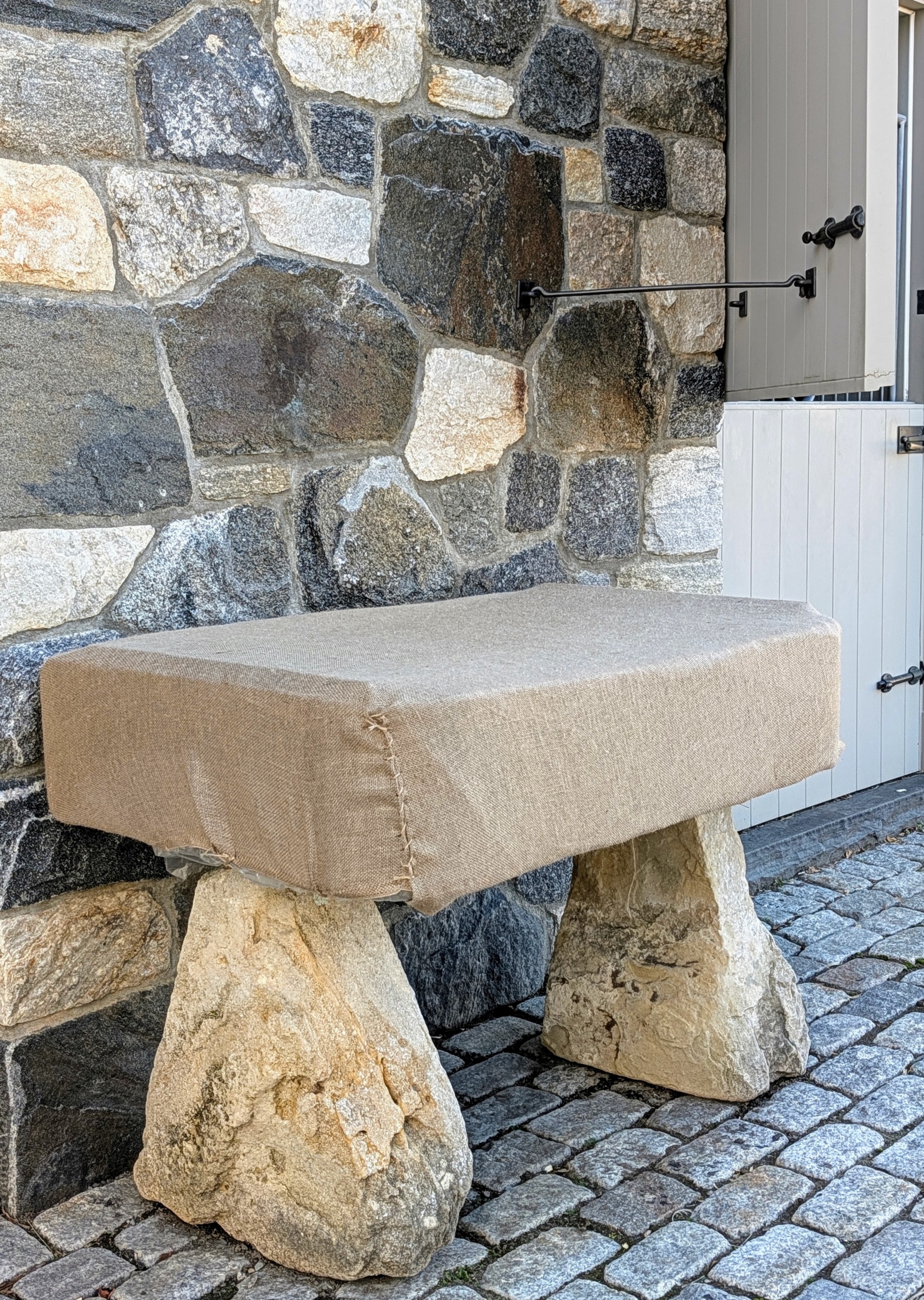
Here’s a stone trough outside the barn doors of my stable – it, too, is covered with burlap.
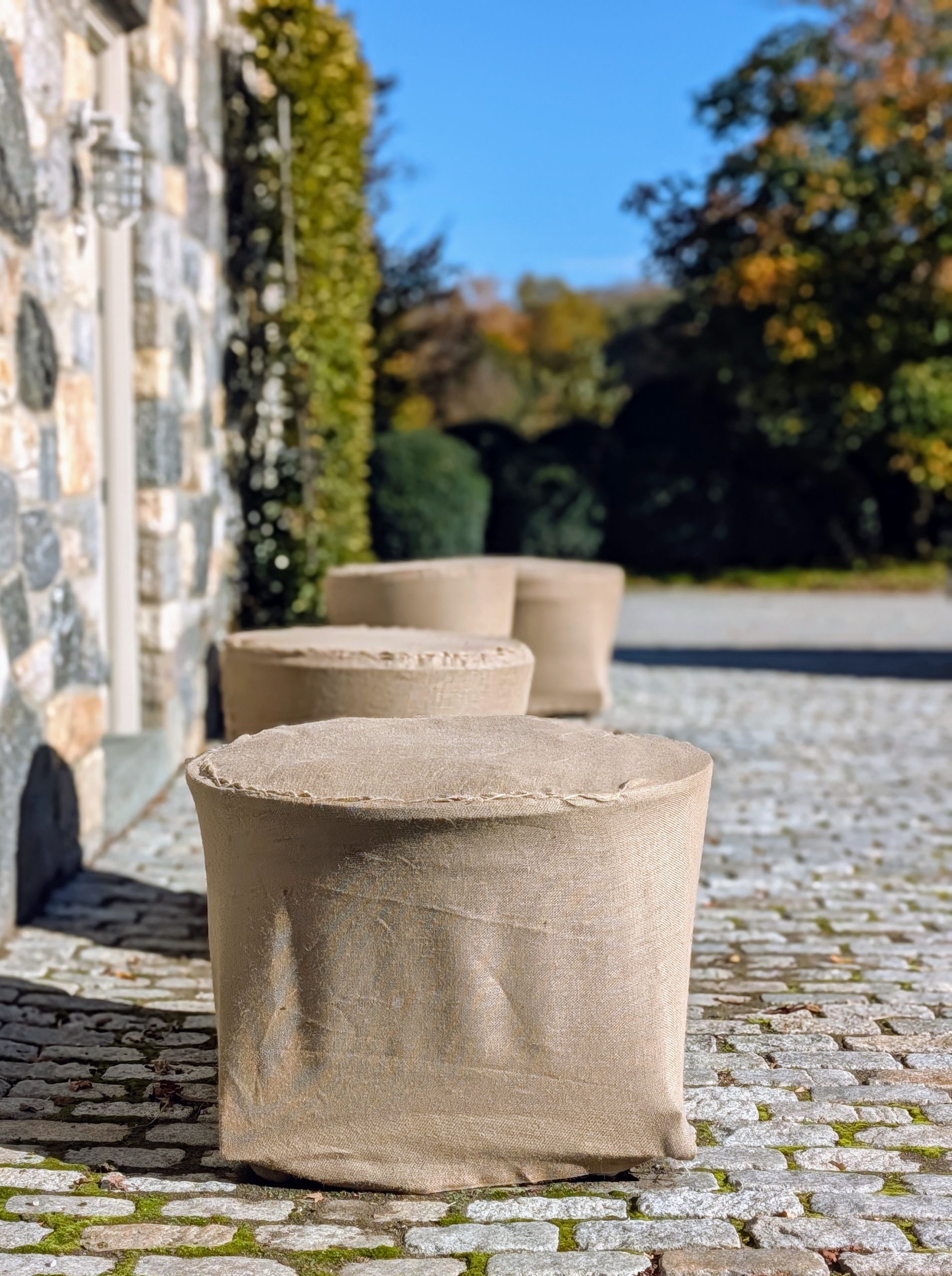
And so is this group of birdbaths and planters that sit outside my offices in the same stable complex – all wrapped for the season.
There is still so much “burlapping” to do around the farm. All the many boxwood shrubs and hedges will all be covered in the weeks ahead. Wait, follow, and see.
Here at my farm, it's a clear sign cold weather is on the way when plants and various ornamental vessels are covered in burlap. I've been covering my boxwood and ornamental planters for years, but my bonsai trees that live outside also require winter protection.
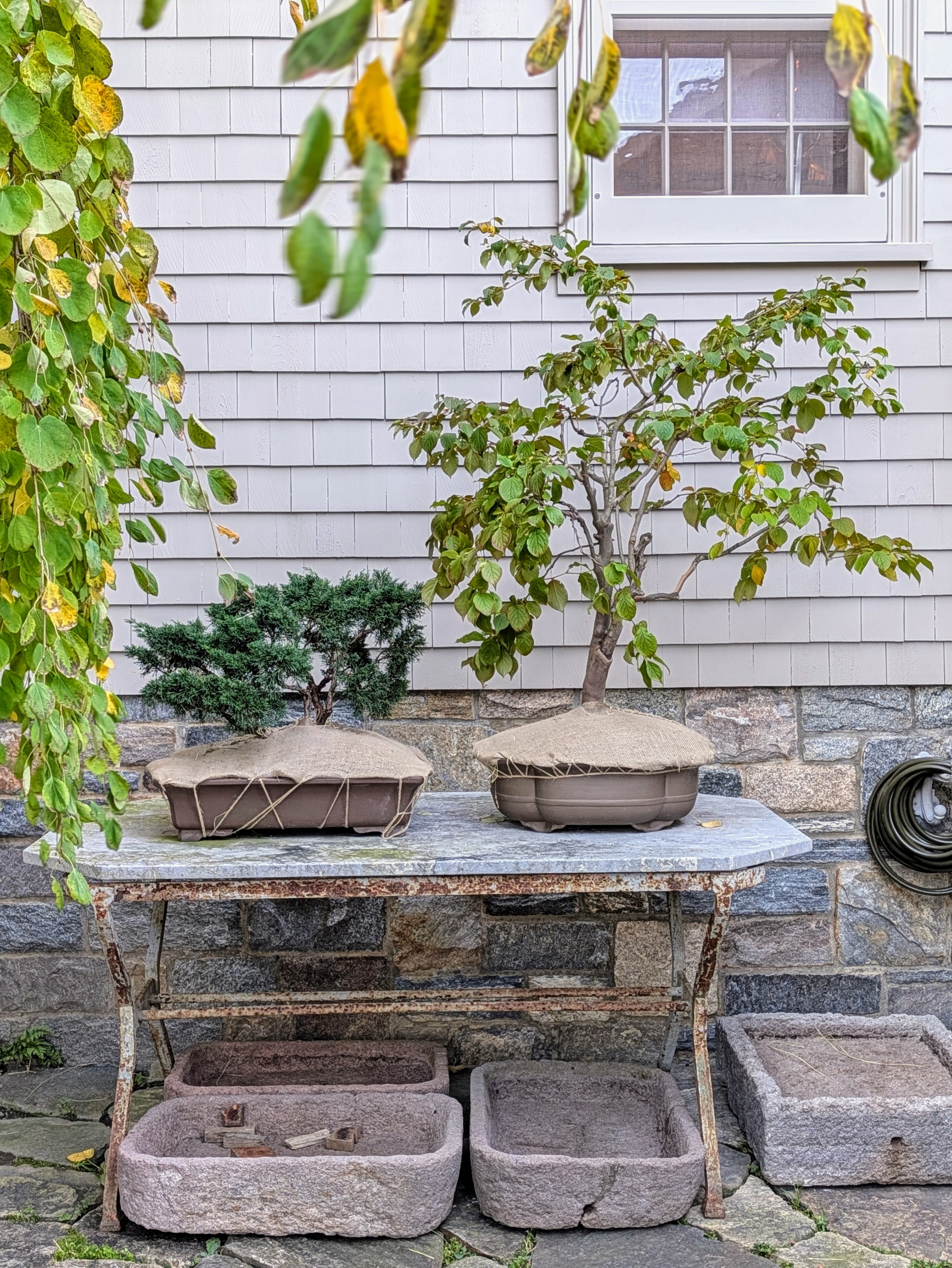
During the cold season, most bonsai enter dormancy, a state of reduced metabolic activity that helps conserve energy and water while protecting the tree from frost and low light conditions. Yesterday, the pots of my deciduous Stewartia bonsai and my evergreen juniper bonsai were both insulated and covered with burlap to further prevent heat loss and protect shallow roots.
Enjoy these photos and easy how-to instructions.
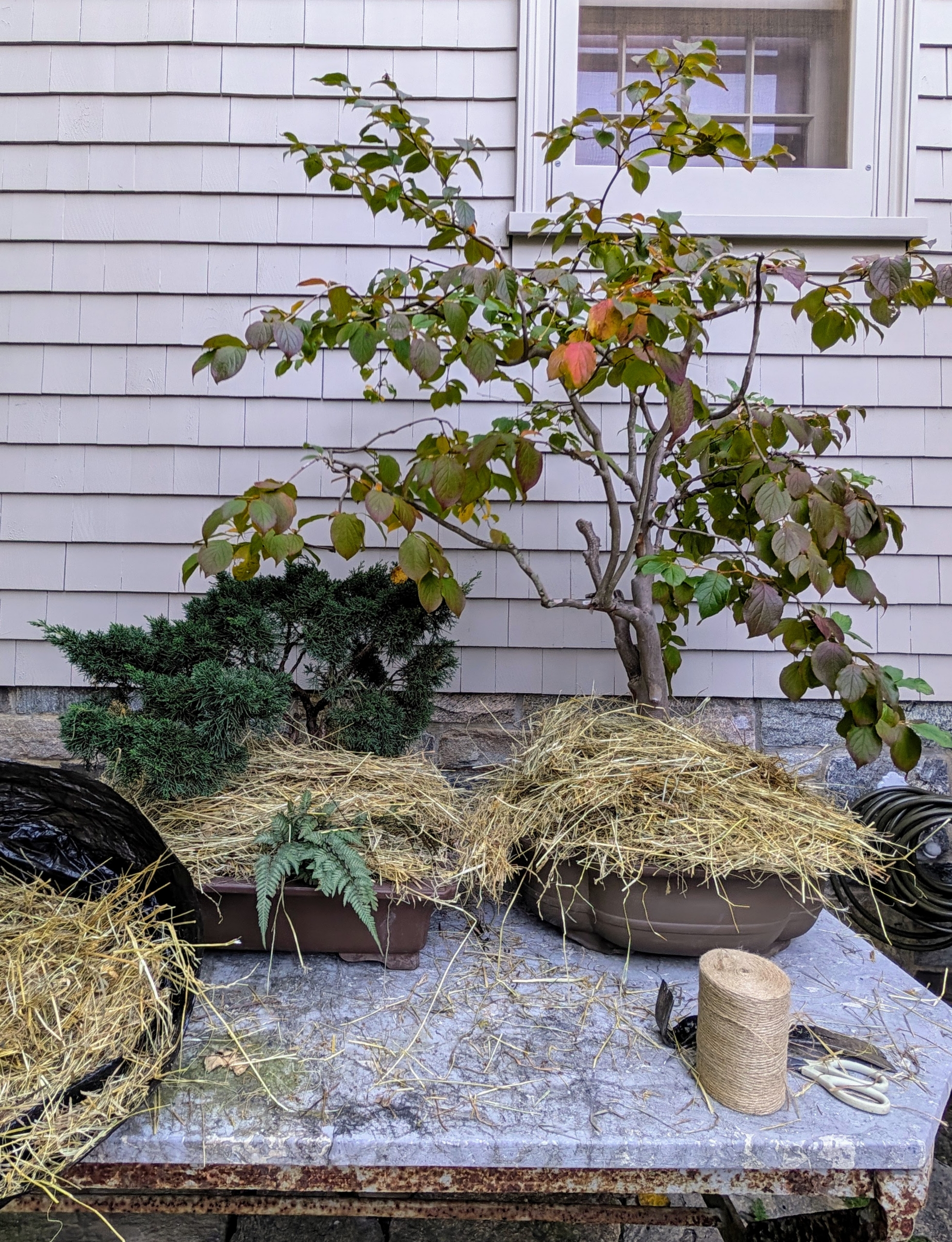
These bonsai trees sit on a table outside my Winter House where they are protected from harsh winds. To prepare them for the cold season, they are first insulated with hay, which I grow right here at the farm.
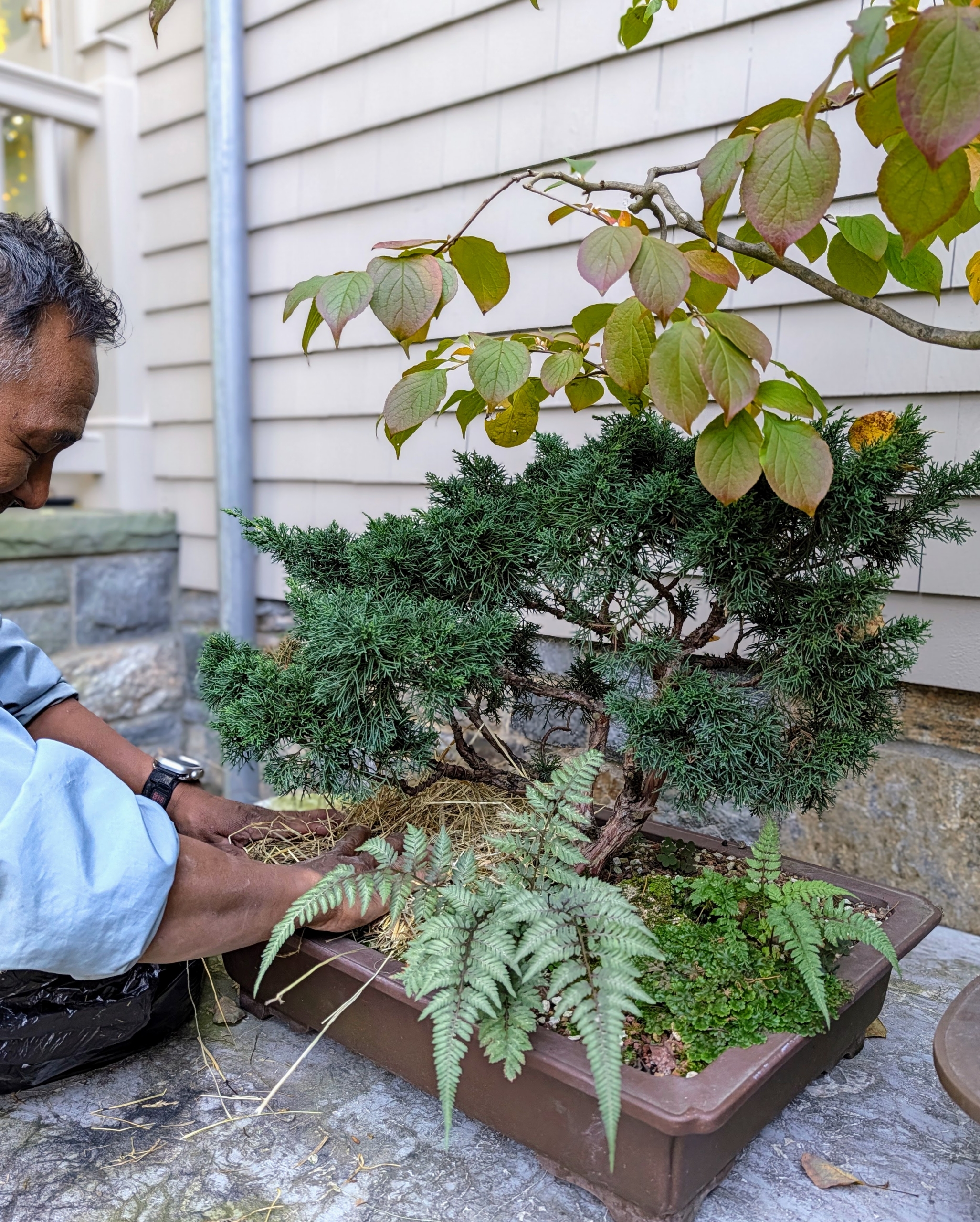
Pete places a generous two to three inches of hay on the soil of the pot. Roots in pots can freeze faster than in-ground trees because the vessel conducts cold from all sides.
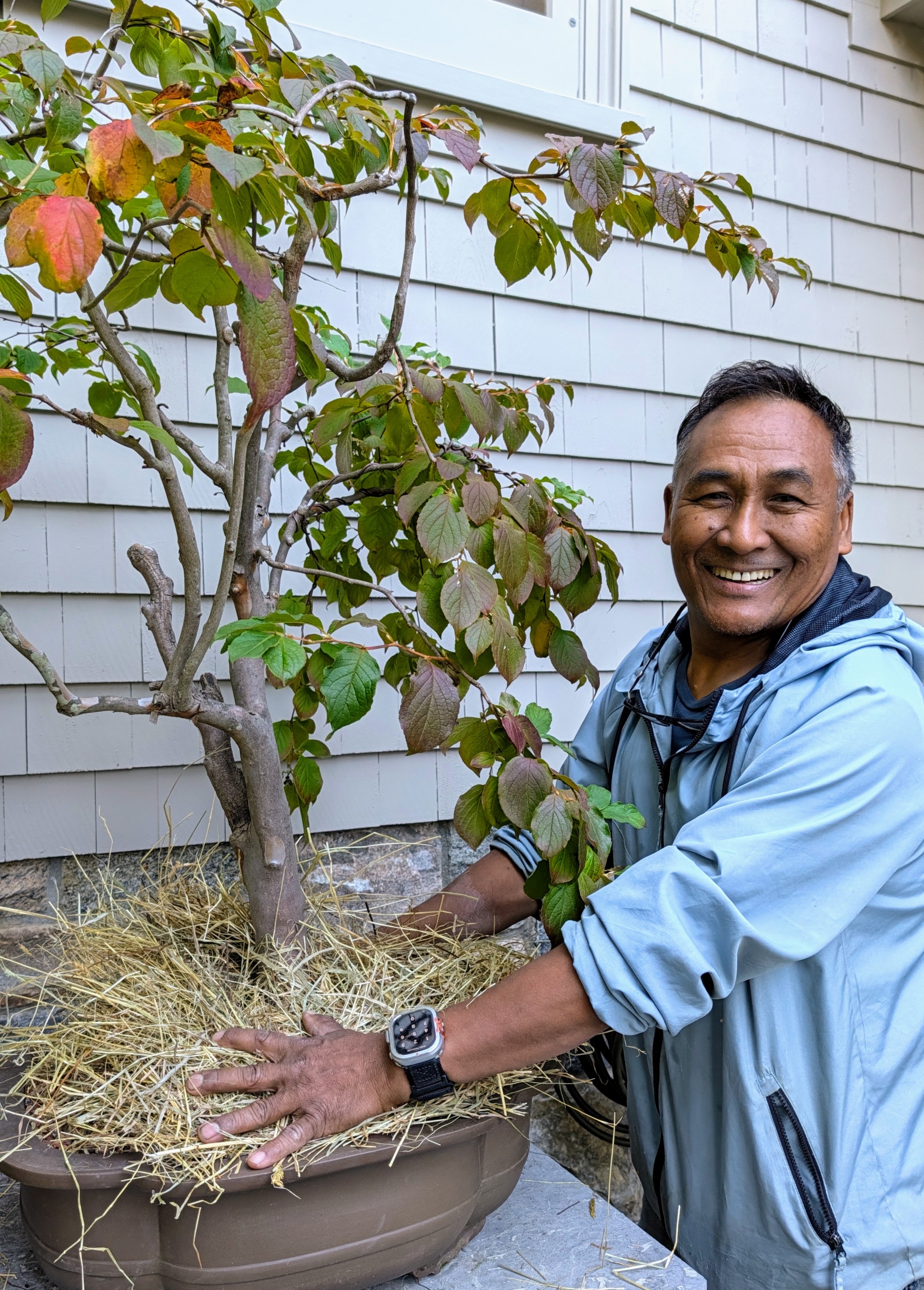
Here’s Pete doing the same thing with my Stewartia bonsai tree. A bonsai tree is a full-sized tree species grown in a small container and carefully shaped to create the appearance of a mature tree in miniature. This Stewartia has done so excellently over the years.
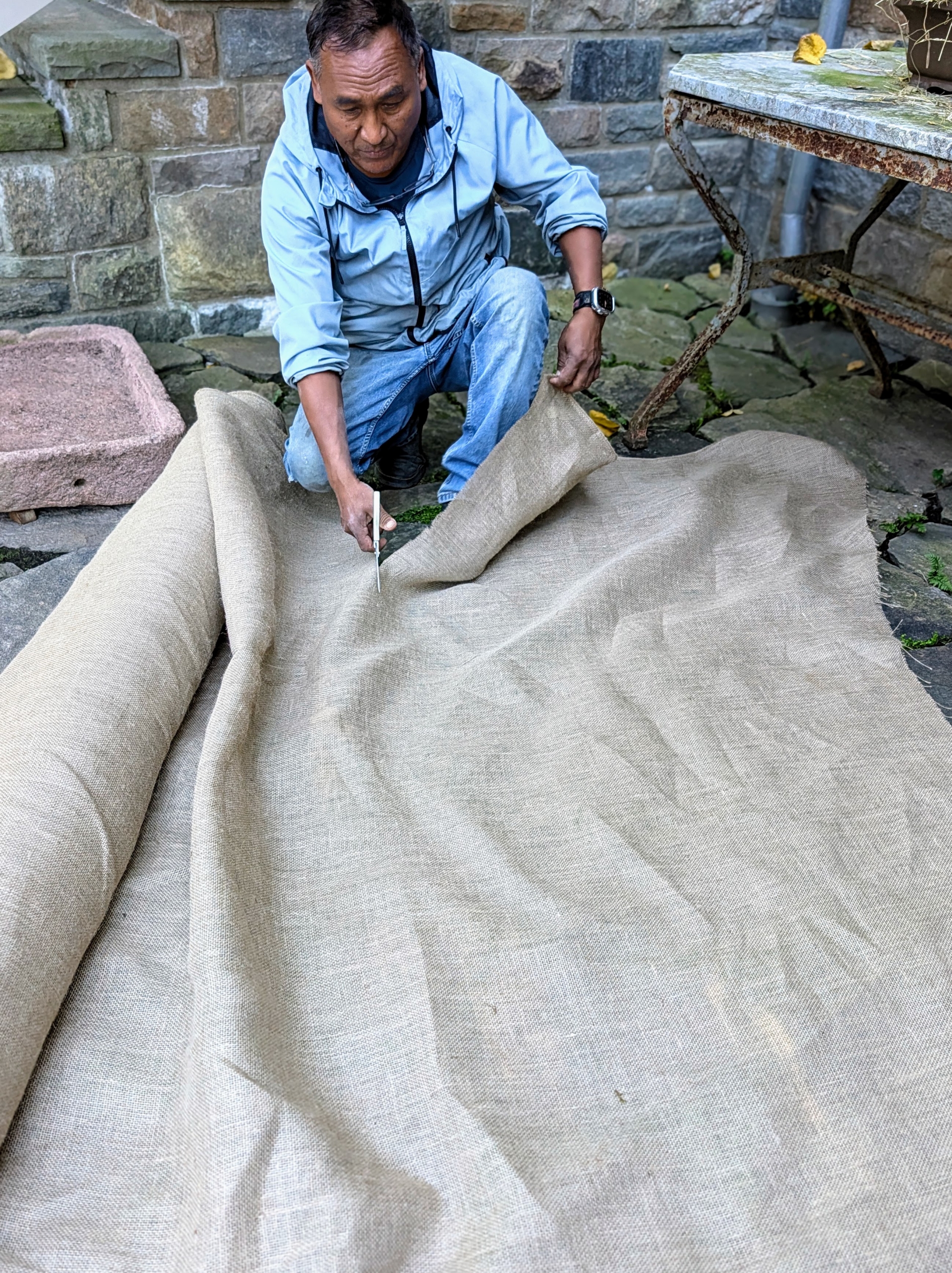
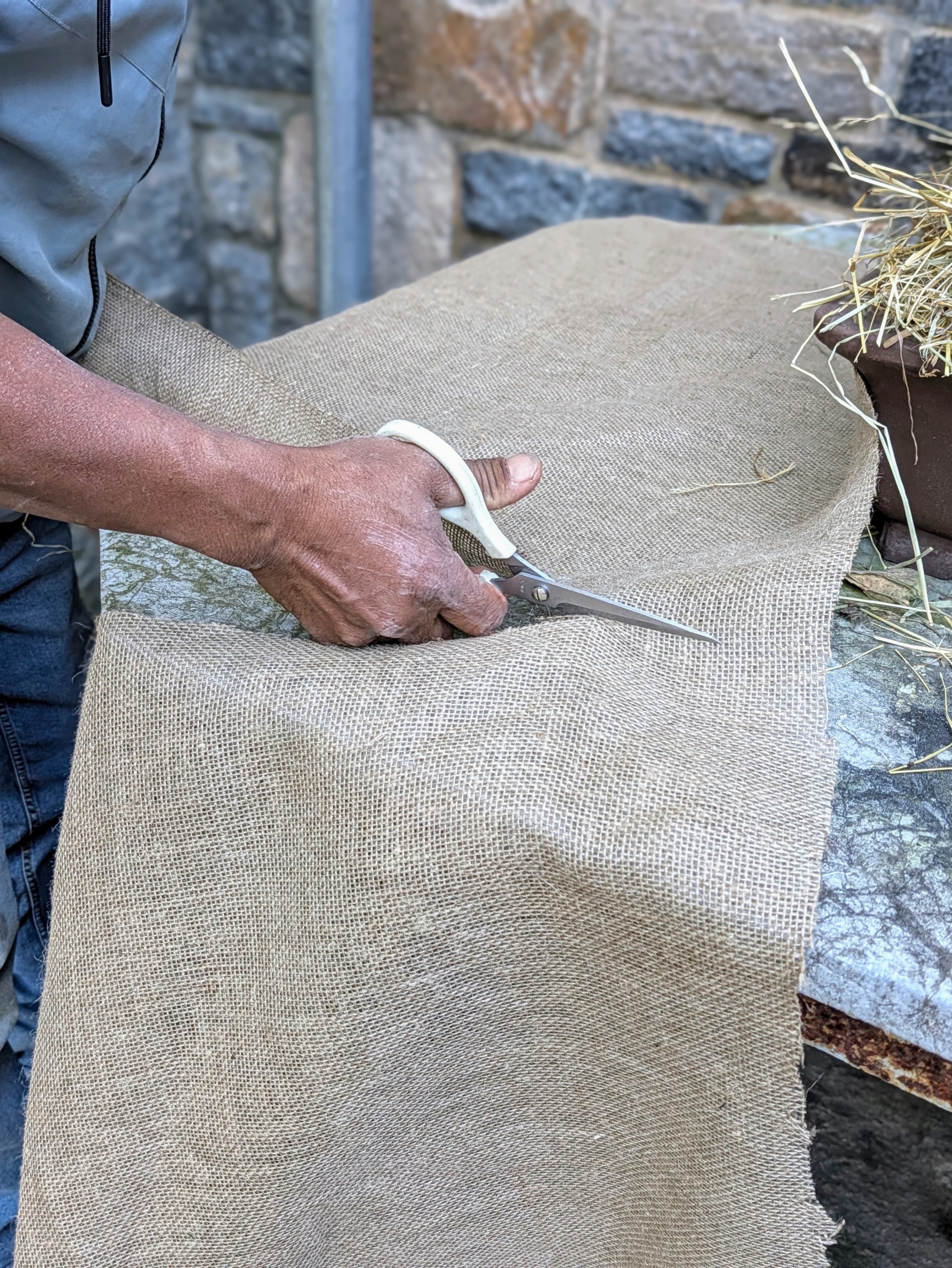
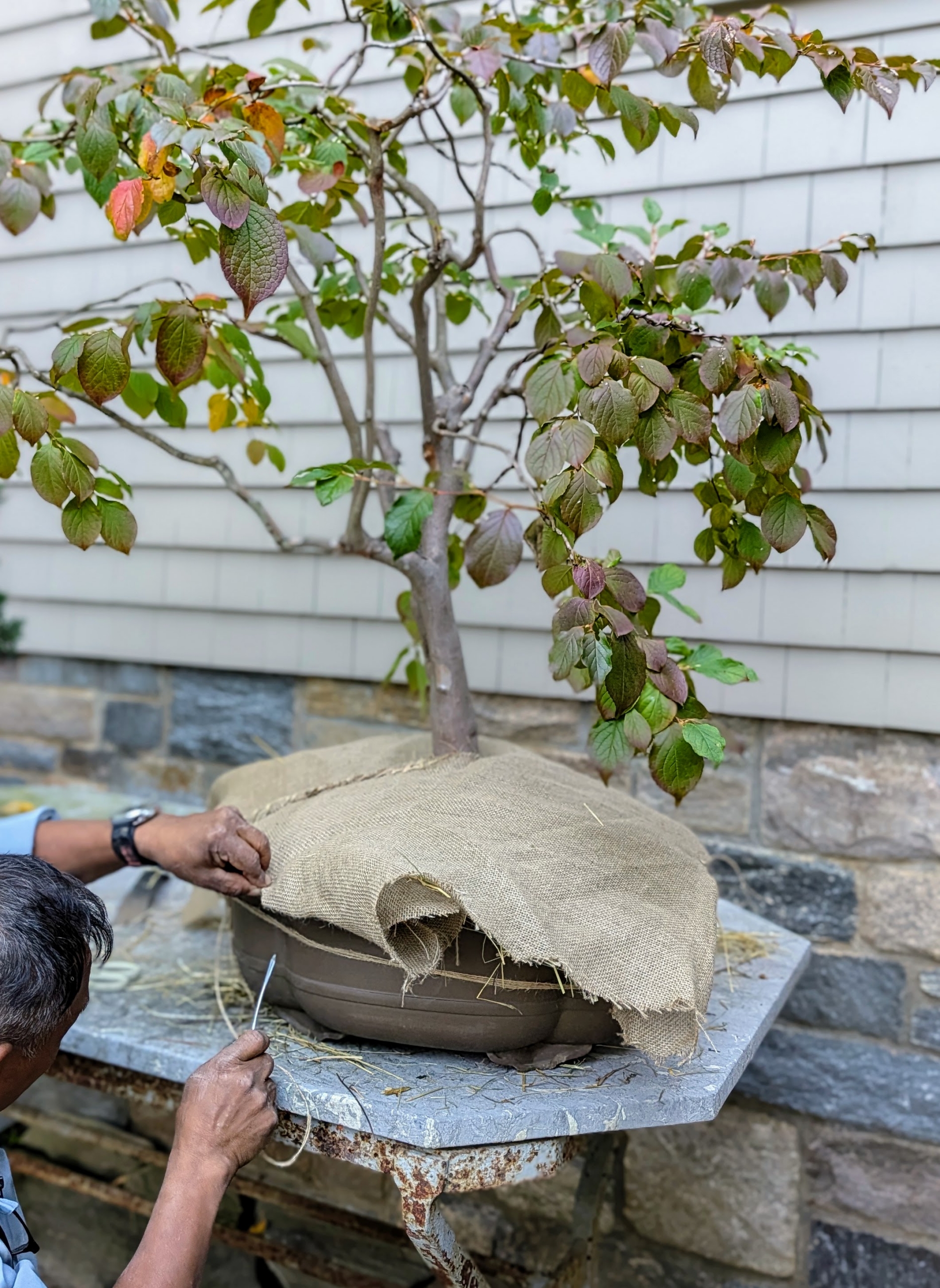
Pete cuts a piece of burlap to drape over the pot. Burlap is available in giant rolls of 40-inches or 60-inches wide. Also called hessian, burlap is made in Pakistan, Bangladesh and India from jute, a tall, grass-like plant grown for its strong fibrous stalks.
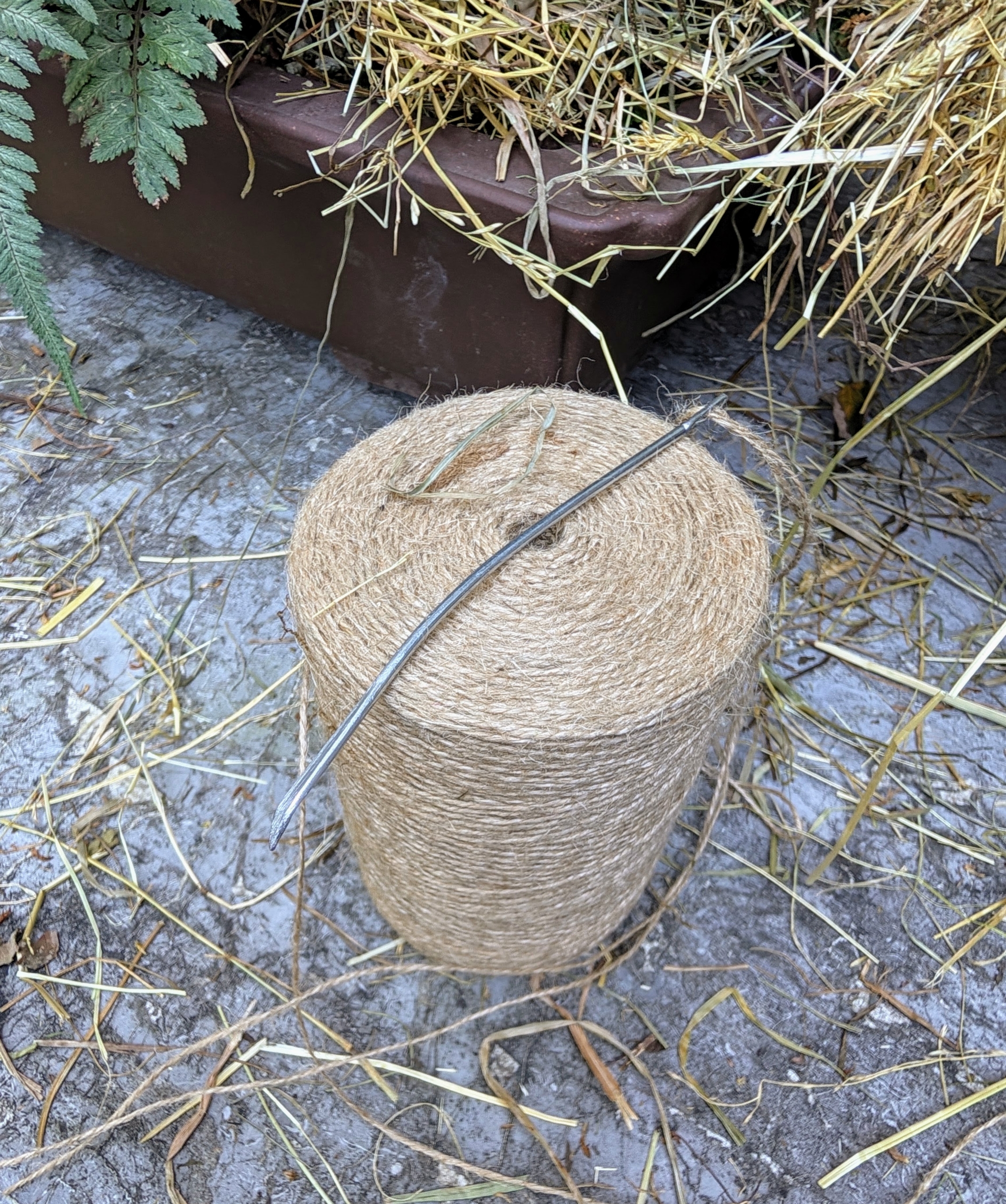
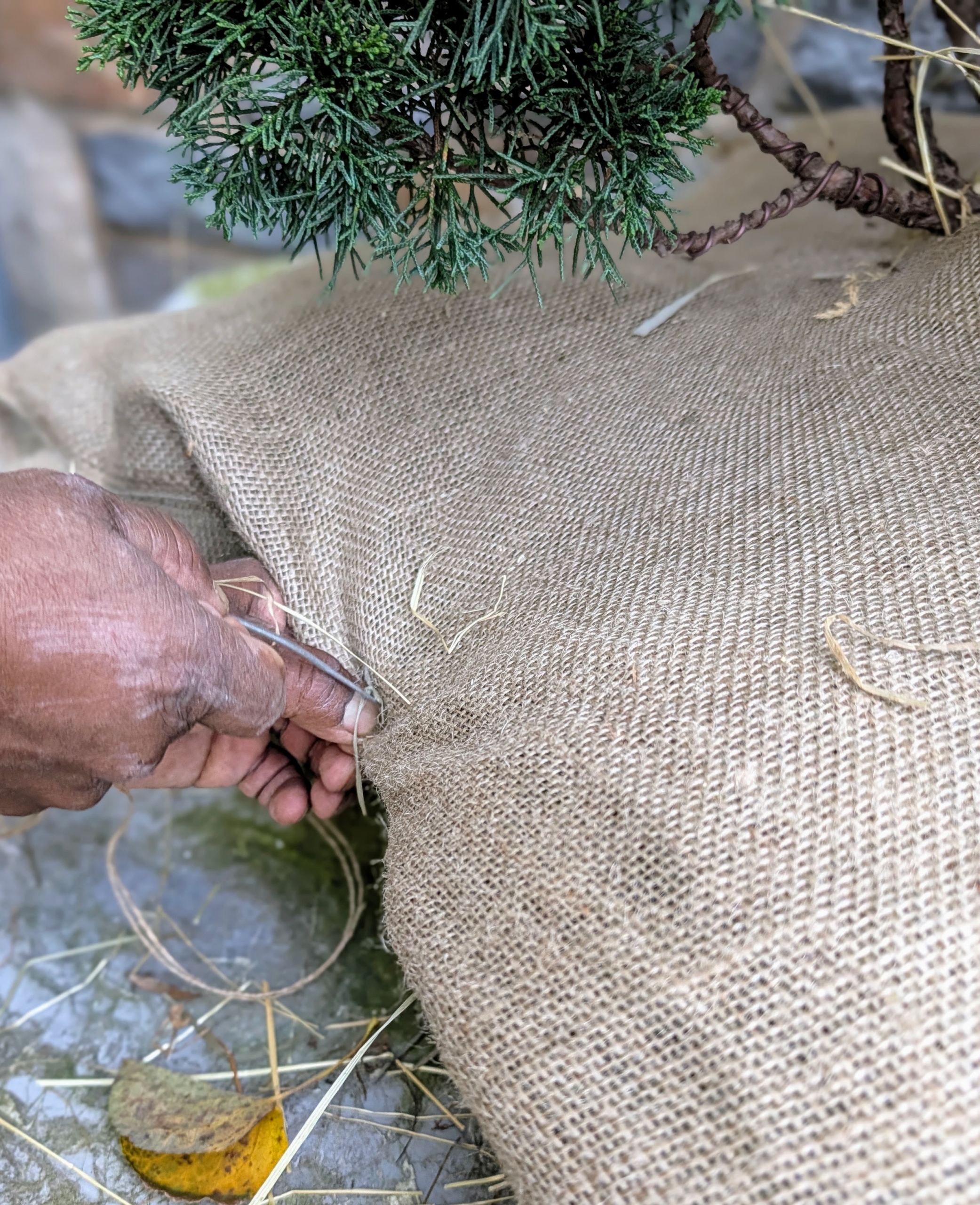
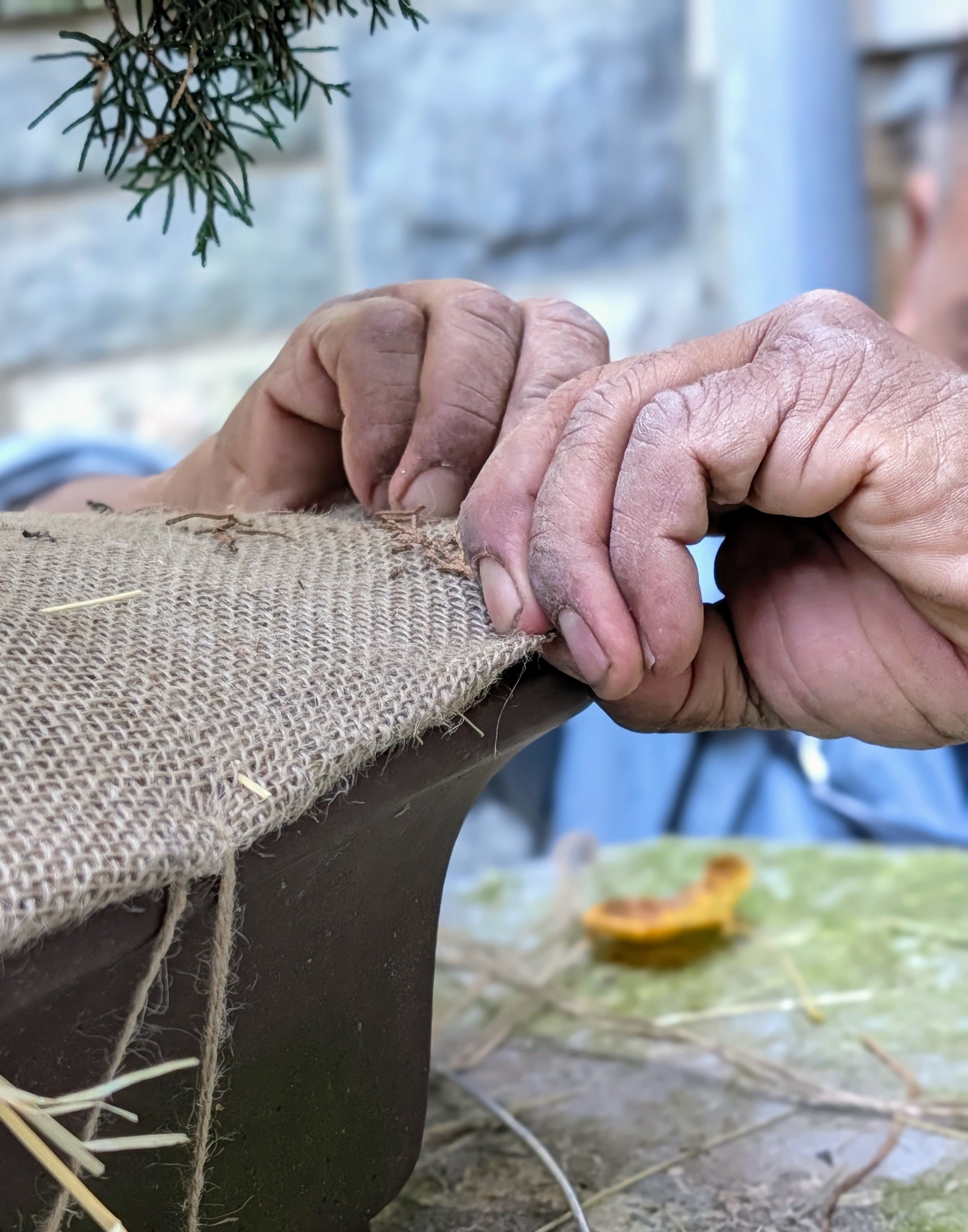
To sew burlap, the crew uses jute twine. It is all natural and the same color as the burlap. Five-inch long needles specially designed for sewing this material have large eyes and bent tips. Every member of my outdoor grounds crew has a needle. Pete stitches the top of the fabric together pulling the burlap snug.
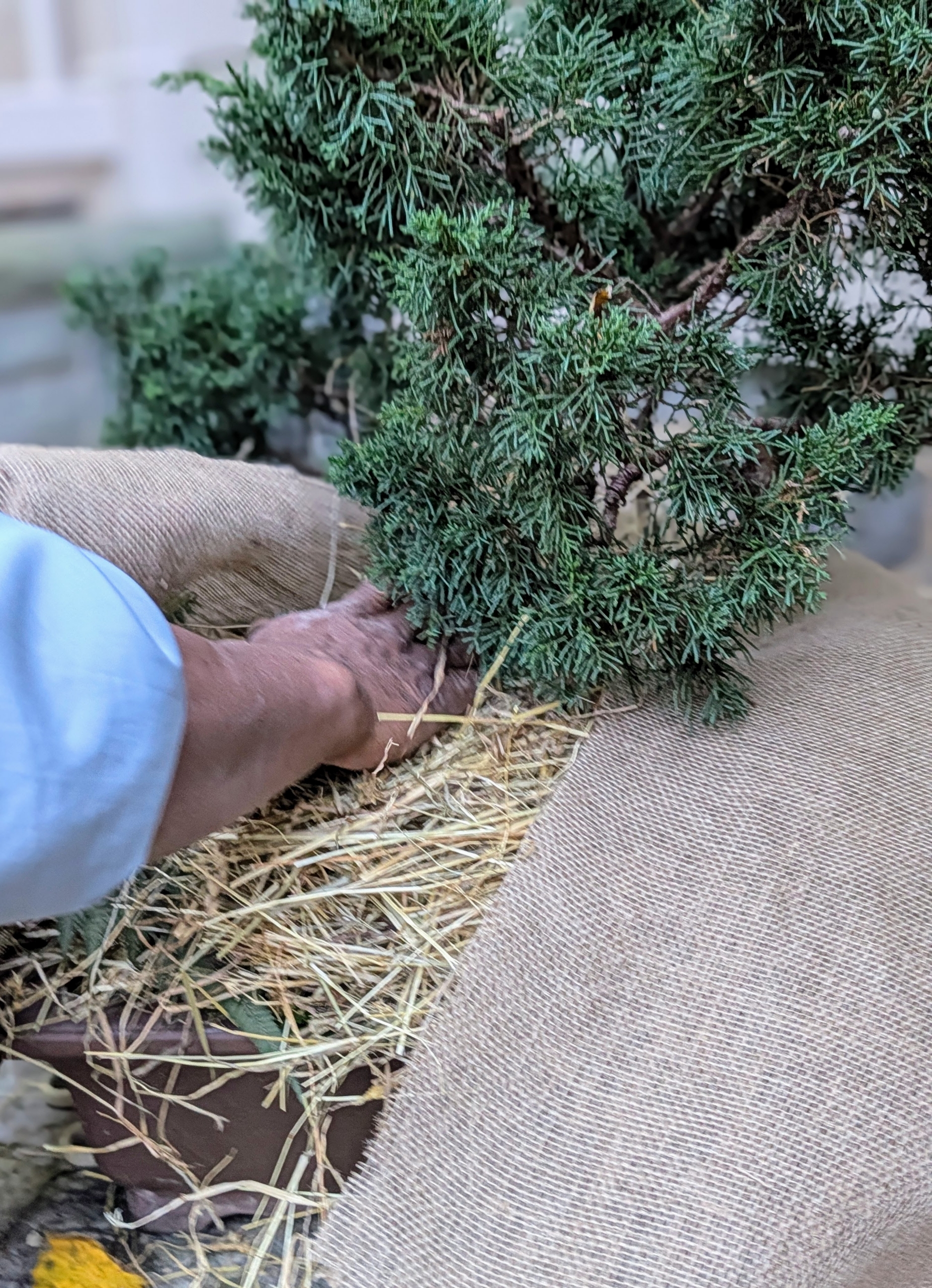
Pete makes a slit down the center of the burlap piece to accommodate the base of the tree.
And then Pete wraps it around the base of the juniper’s trunk, where the tree meets the soil.
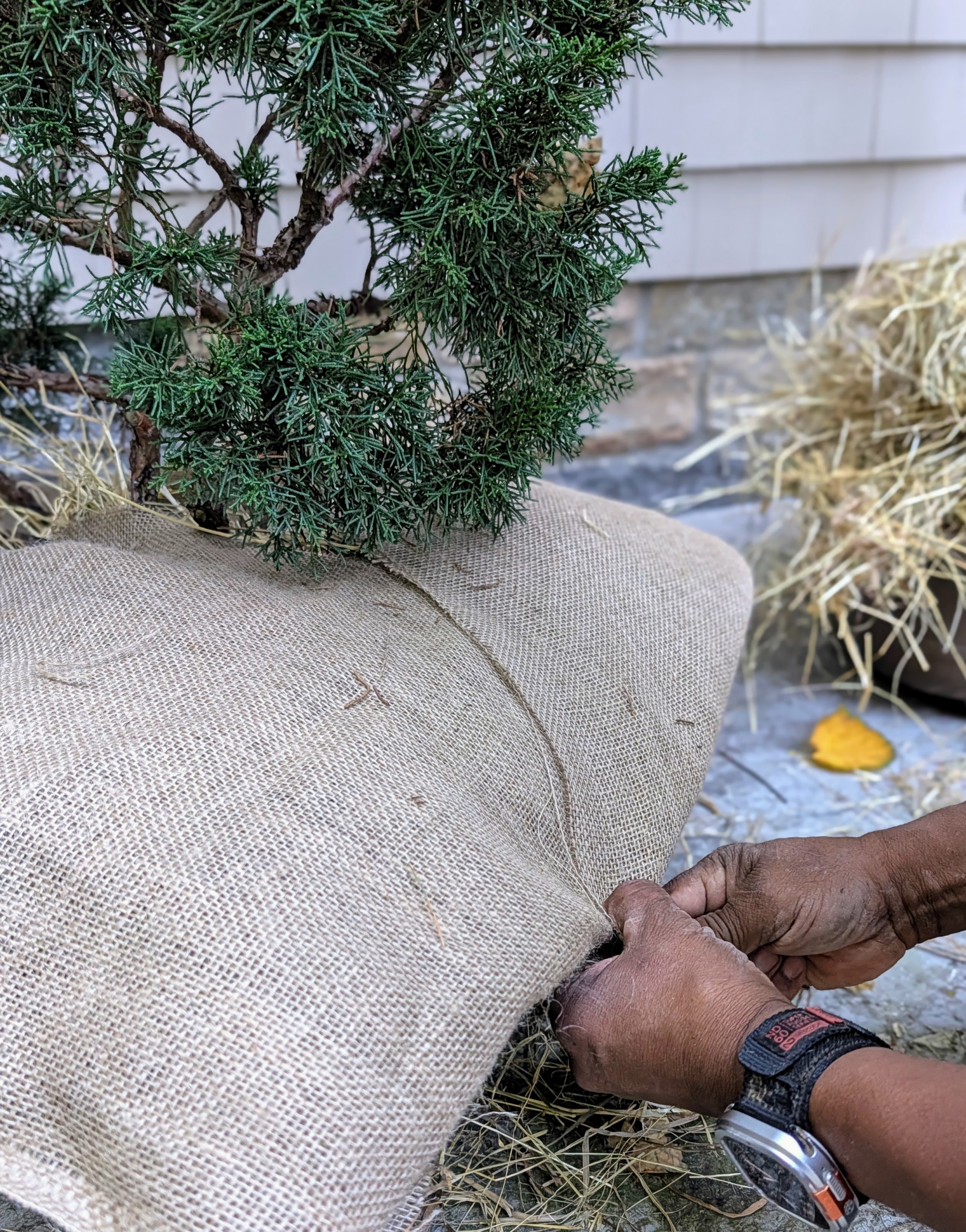
Pete closes the burlap neatly in place, so it is snug all the way around the tree and container.
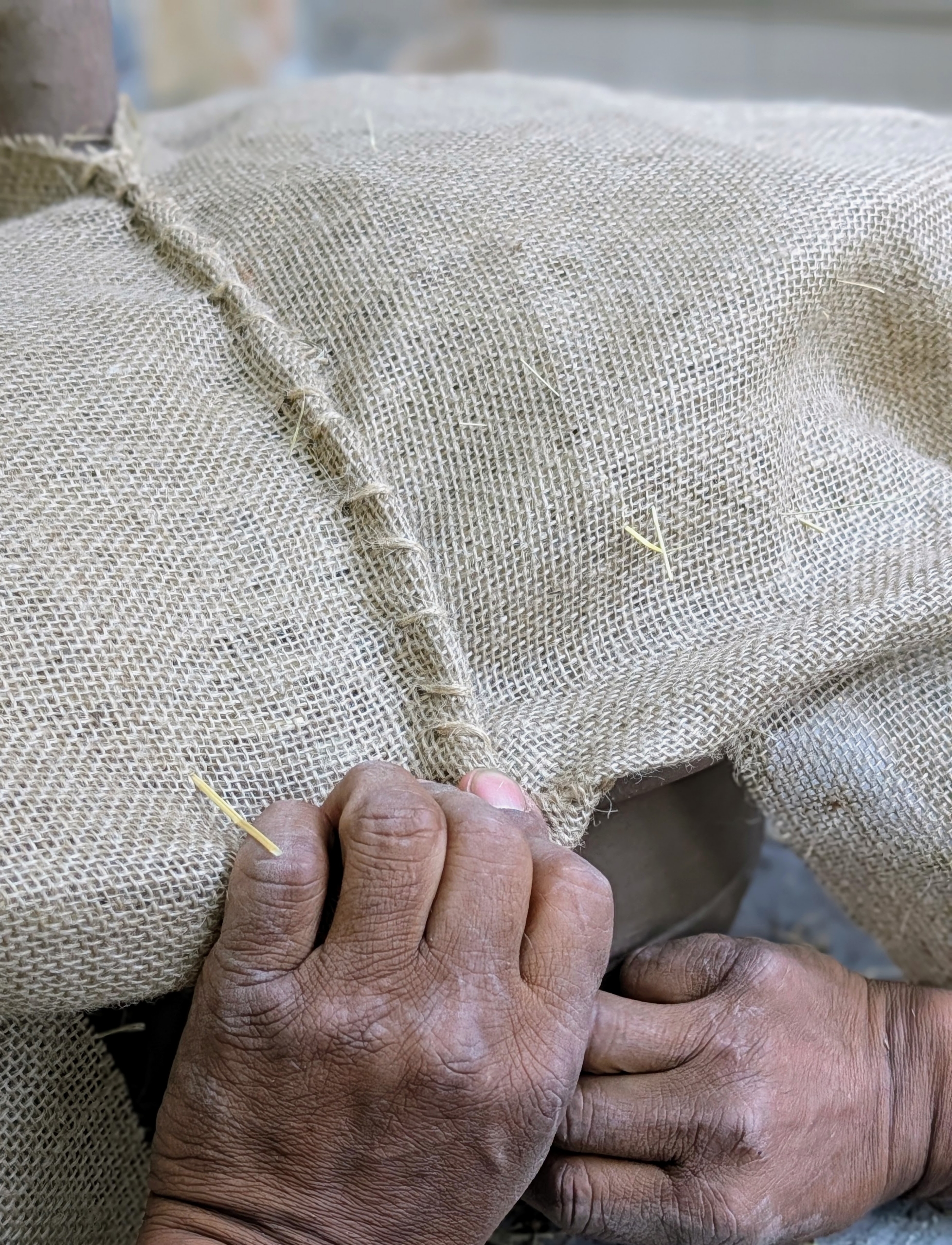
And then he begins to sew the slit closed.
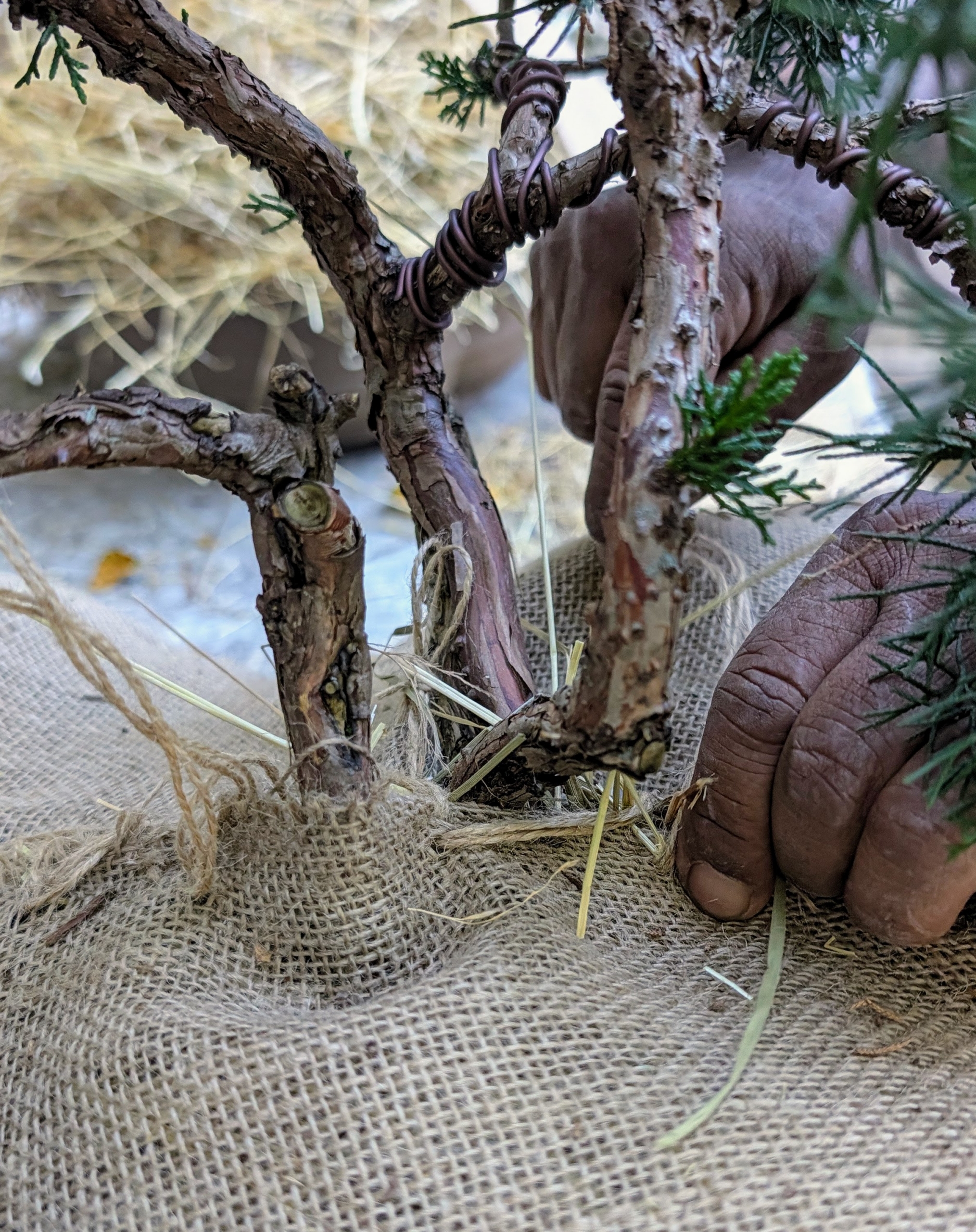
Pete also sews around the trunk, so the base of the juniper is completely protected.
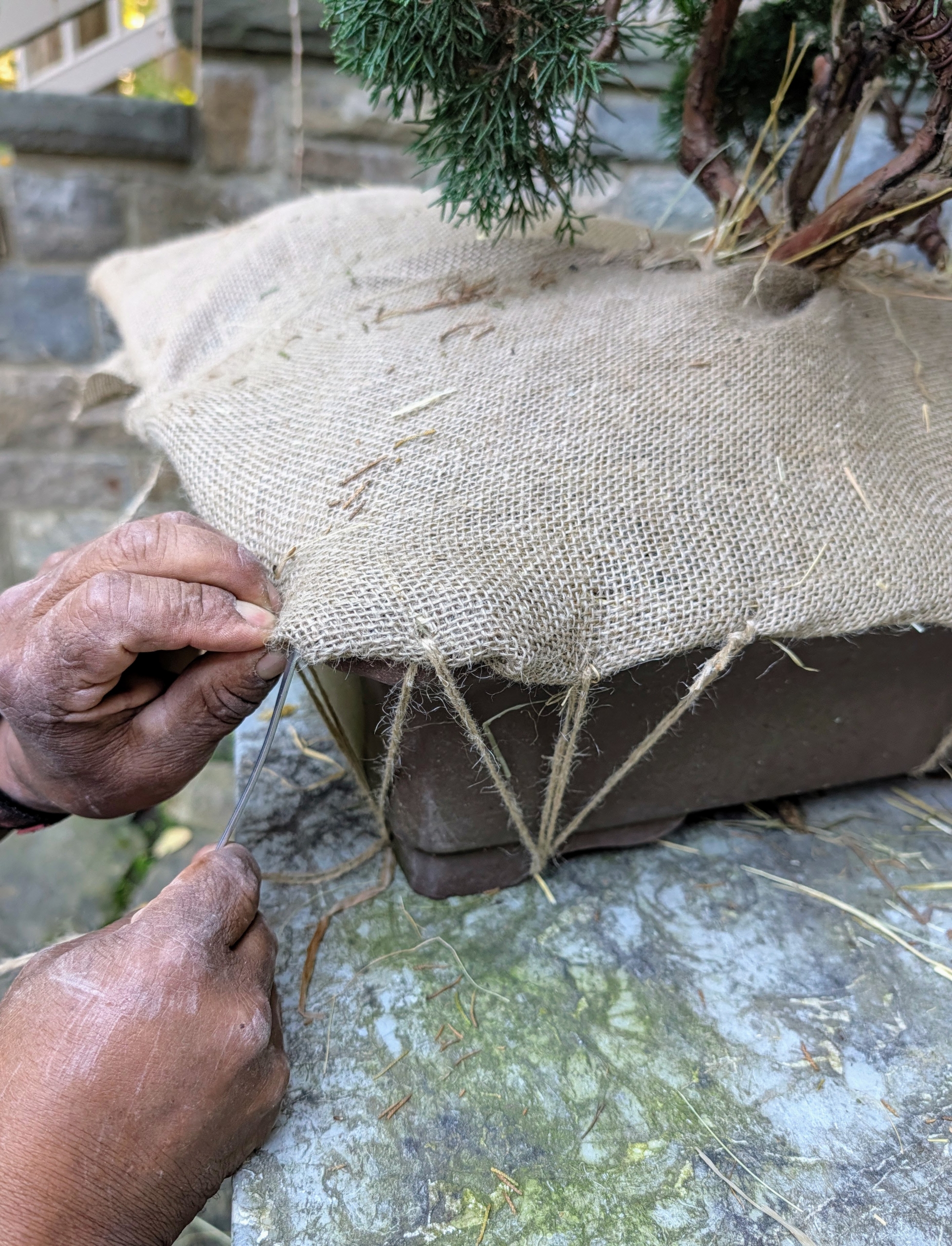
To secure the sides of the burlap, Pete anchors the twine under the feet of the planter.
While sewing, he also tucks in the ends, so they are neat, tidy and snug around the pot.
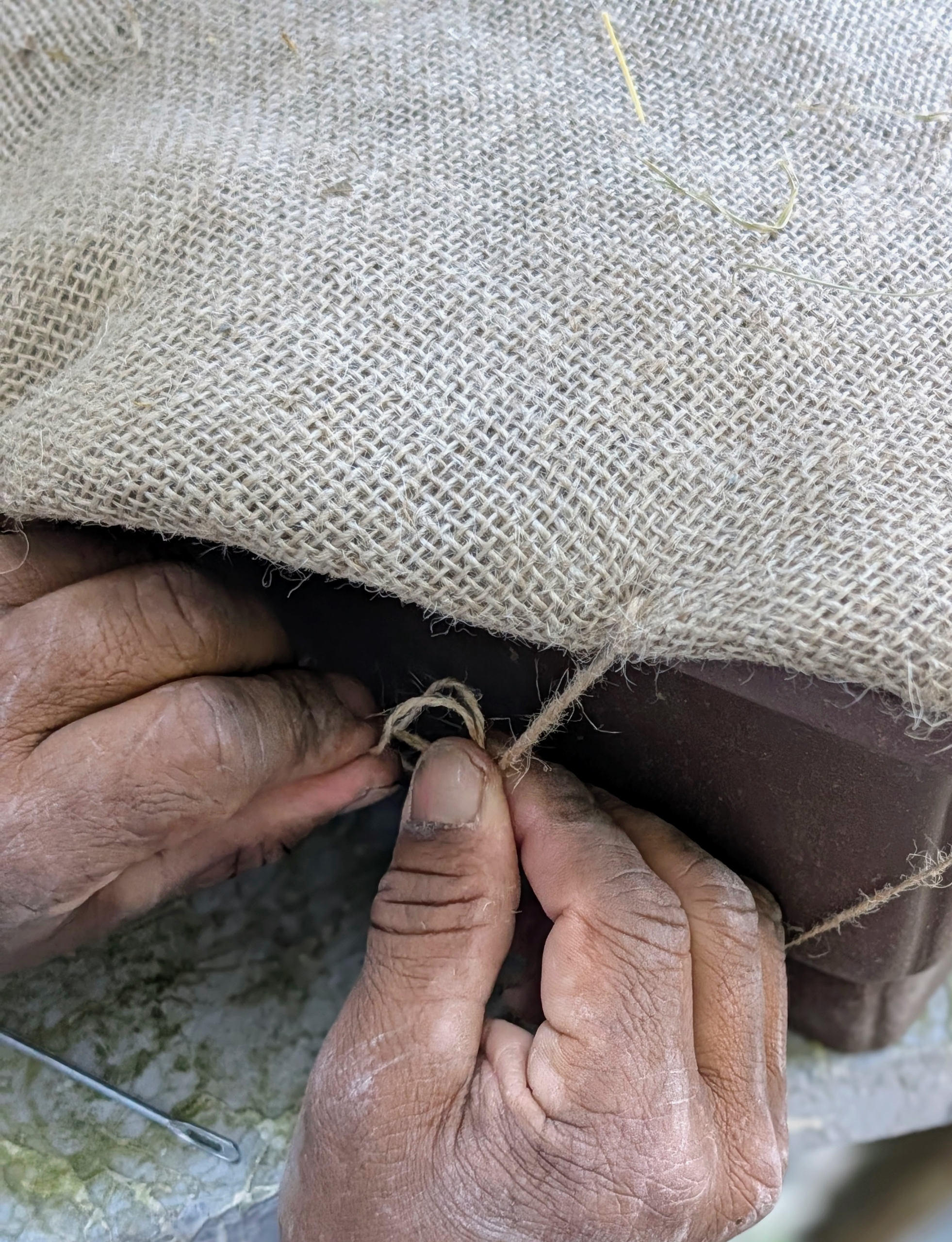
Here, Pete secures the end of the jute twine and makes a knot.
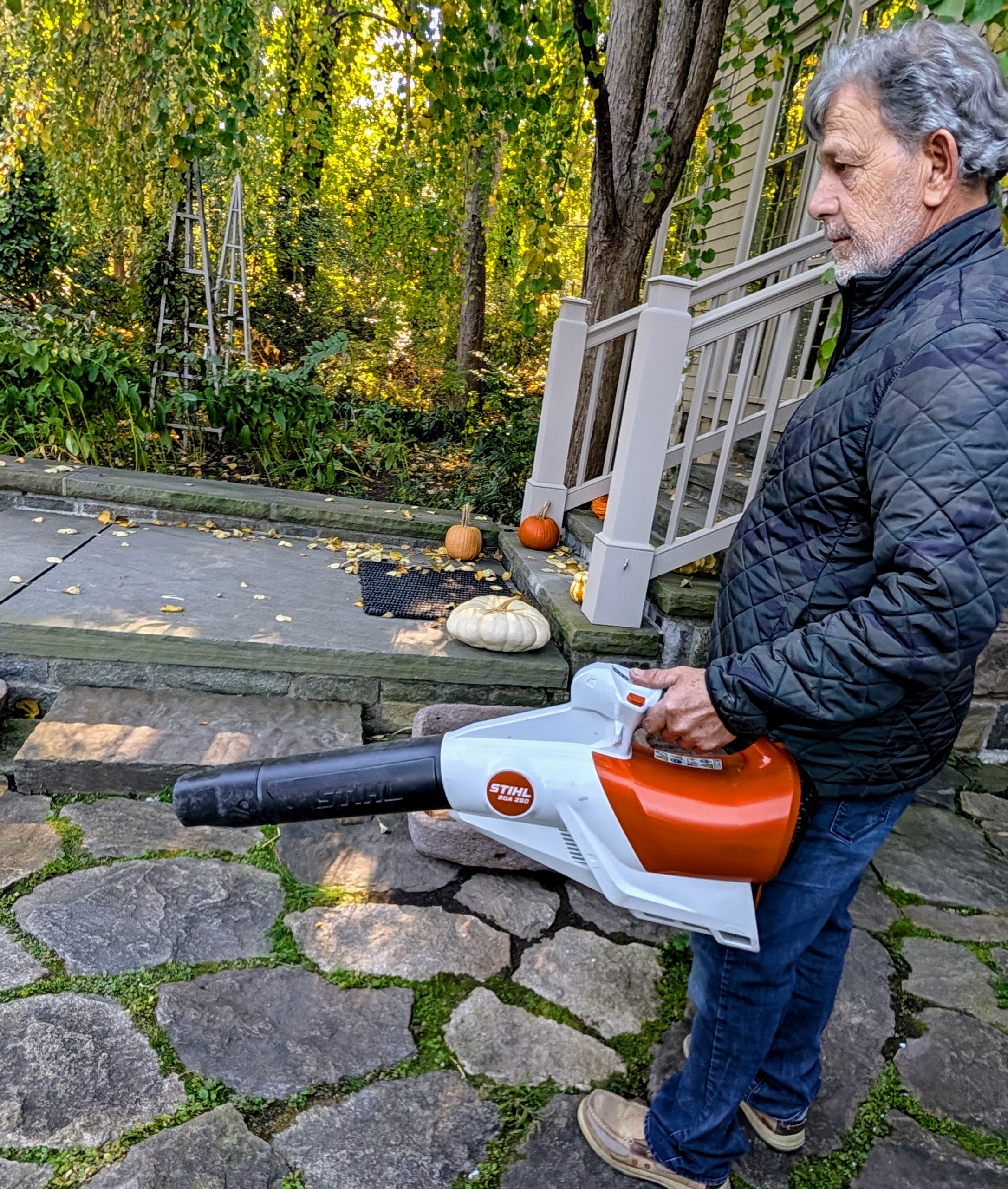
Meanwhile, Fernando uses my battery powered handheld blower from STIHL to blow any leaves from the area.
Pete covers and sews the potted Stewartia bonsai. Everyone on my crew knows how to sew very well because of the burlap work we do around the farm.
The burlap covers the hay on top of the pot completely and then gets tucked under and sewn tight.
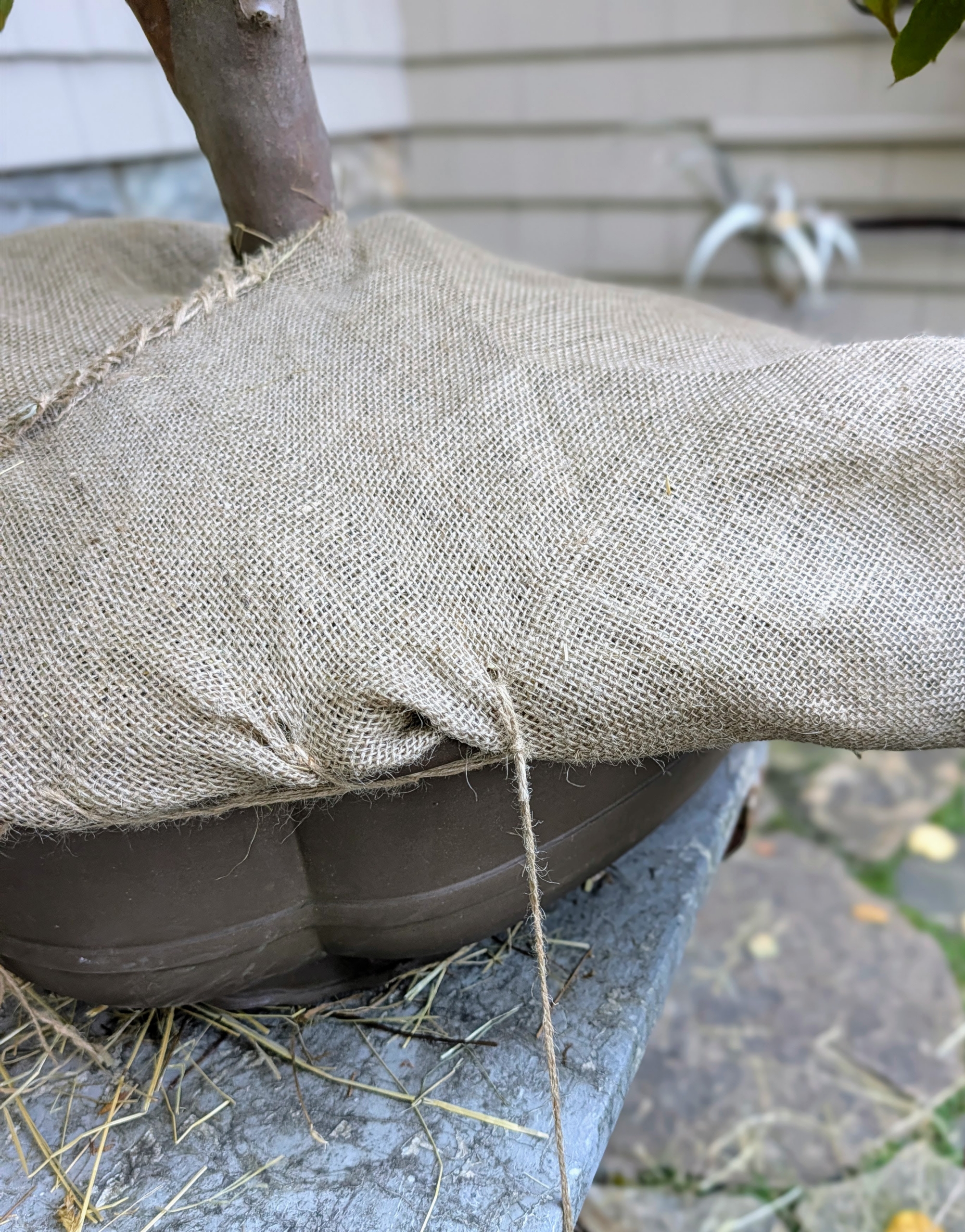
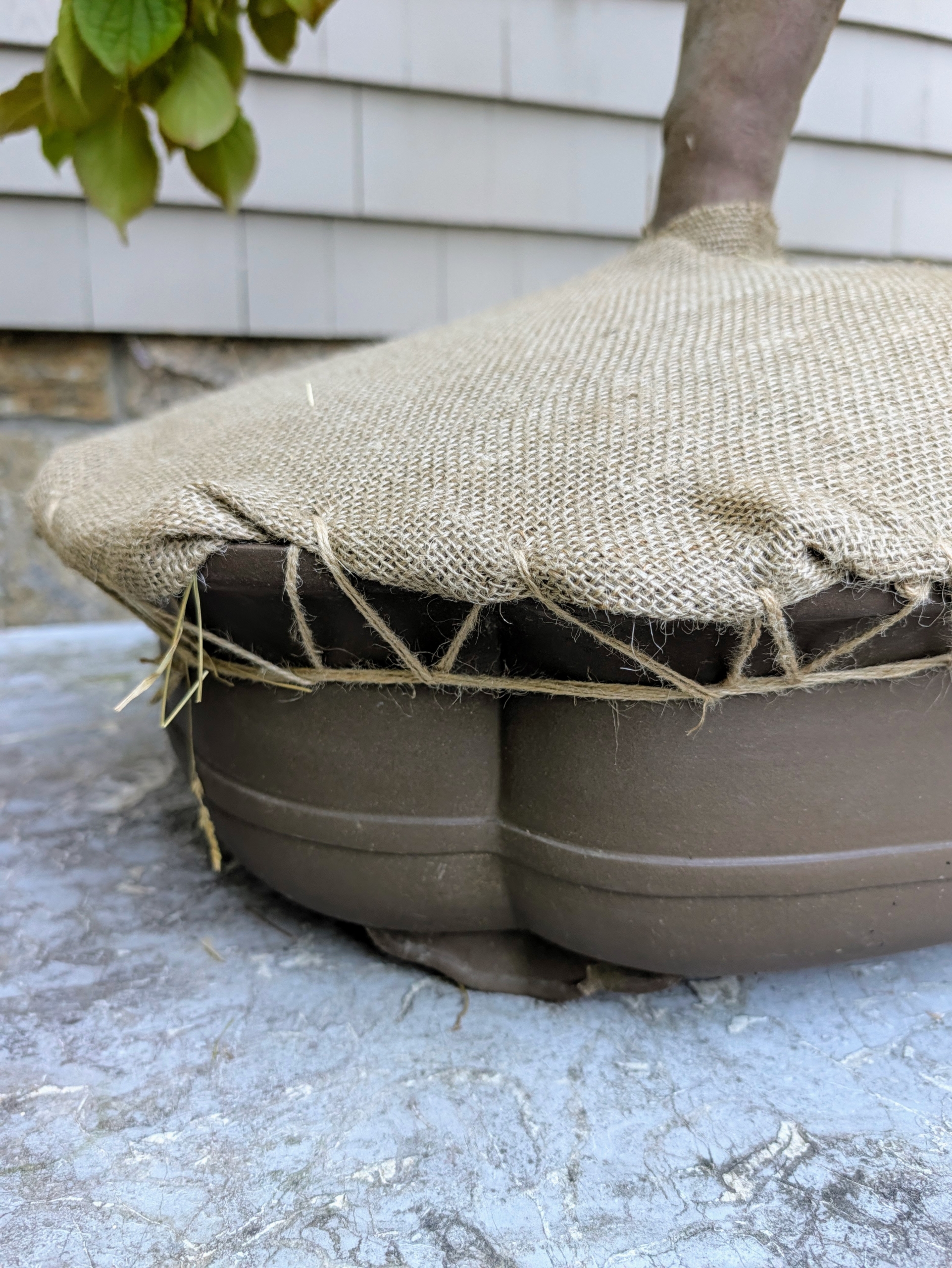
Here is a closer look at the first stitches made at the edge of the pot. Using burlap still allows some water to penetrate the root ball while providing good aeration and circulation for the roots.
Because this pot does not have feet, Pete ties jute twine around the vessel, so supporting pieces of twine can be secured.
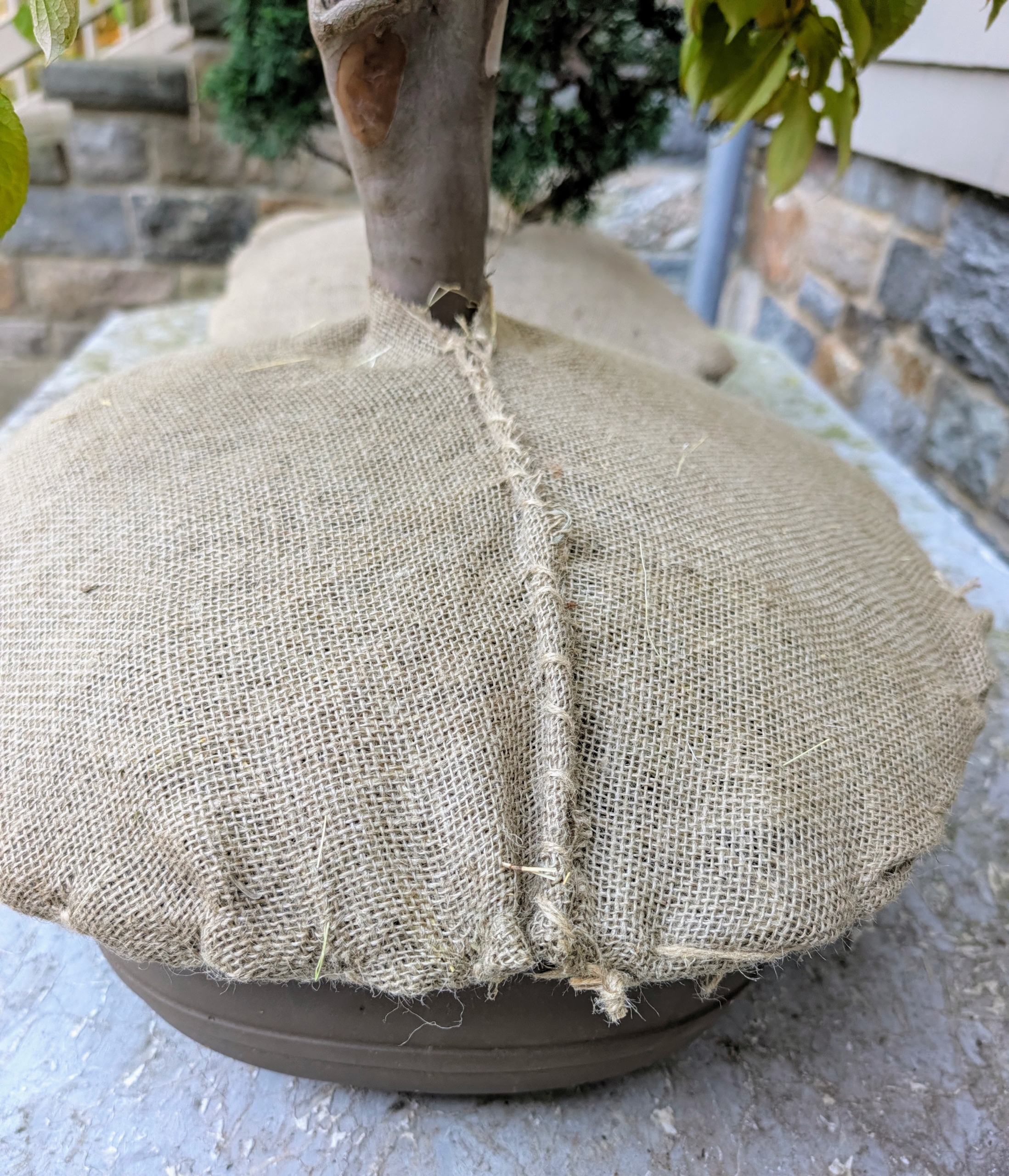
Here is the Stewartia bonsai all finished and protected for the season.
These bonsai trees will be monitored closely during the season. These precious plants are now protected from wind, snow, and freezing temperatures so they can rebound healthy and happy come spring.


 Martha Pins


 Martha Tweets

